Meta Open-Sources Code for Custom Muse AI Gadgets
Meta has made the underlying software for its Muse AI agent available to the public, empowering individuals to create their own AI-powered devices and fostering a decentralized ecosystem for intelligent hardware.
✨ This content was summarized and interpreted by AI; it may contain errors — please verify accuracy with the original sources. Learn more
Listen to this story
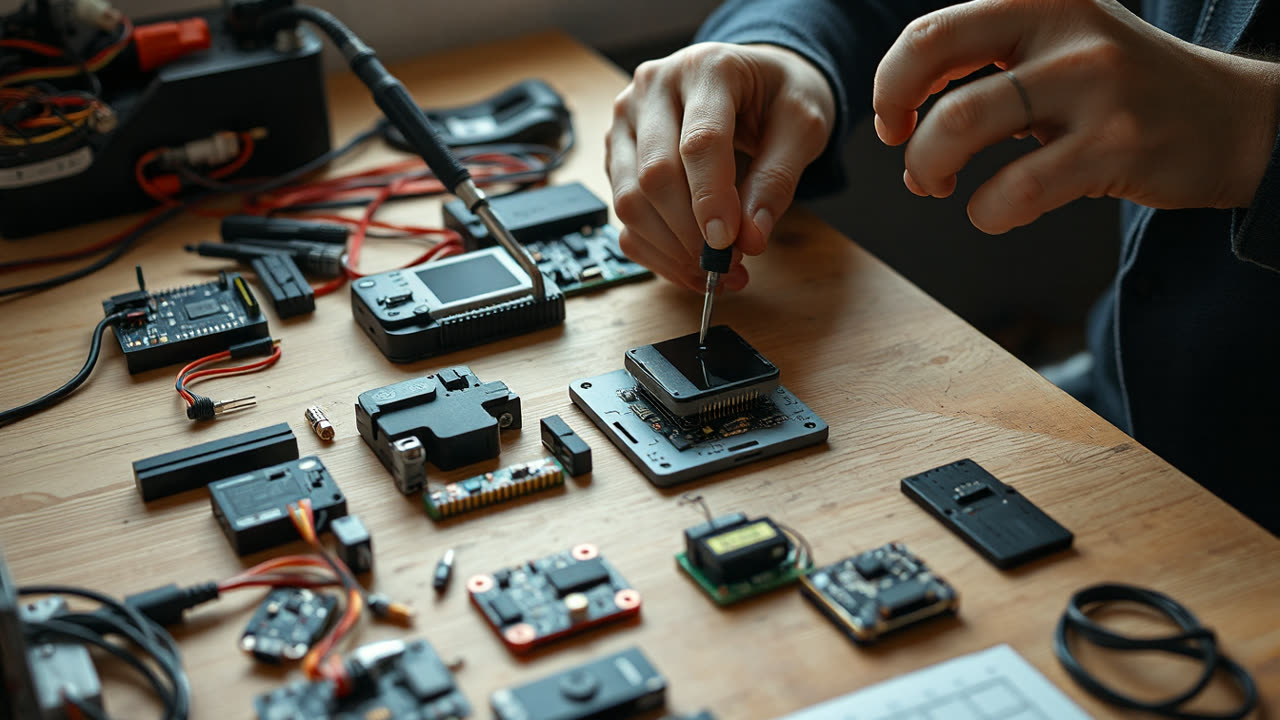
Meta has open-sourced the code enabling individuals to craft their own Muse AI-powered gadgets, a move that significantly broadens the accessibility of its new AI agent beyond proprietary hardware. This initiative, announced recently, provides developers and hobbyists with the underlying software to integrate Muse into custom devices, with Meta itself suggesting diverse applications like embedding Muse onto a color E Ink display for dynamic reminders or incorporating it into an HDMI dongle to transform any screen into an interactive smart display. The core Muse AI agent, a multimodal model, is designed to understand and respond to natural language queries, offering capabilities that range from information retrieval and task management to creative assistance, making it a versatile foundation for bespoke intelligent systems.
This strategic open-sourcing is more than just a nod to the maker community; it represents a calculated maneuver by Meta to rapidly proliferate its AI agent and foster an expansive ecosystem of AI-powered hardware, circumventing the typically slow and capital-intensive process of developing and distributing its own consumer devices. By offloading the hardware innovation to a decentralized network of developers, Meta can accelerate the adoption and real-world testing of Muse, gathering invaluable usage data and identifying novel applications that might otherwise remain undiscovered within the confines of a corporate R&D lab. This approach also positions Muse as a foundational AI layer, much like Android became for mobile operating systems, potentially establishing it as a de facto standard for a new generation of smart, context-aware gadgets. For users, this means a future where AI isn't confined to a few commercially available devices but can be tailored to specific needs and form factors, from smart mirrors and personalized health trackers to interactive home assistants built from off-the-shelf components. The implications for the consumer electronics industry are profound, potentially democratizing AI hardware development and fostering a Cambrian explosion of niche devices that traditional manufacturers might deem too small-market to pursue.
Historically, Meta has grappled with establishing a strong foothold in consumer hardware, experiencing mixed success with products like the Portal smart display and even facing headwinds with its Quest VR headsets in the mainstream market, despite their technological advancements. The open-source strategy for Muse contrasts sharply with the tightly controlled, vertically integrated approach of rivals like Apple, which meticulously designs both hardware and software to ensure a seamless user experience but limits external innovation. While Google offers its AI models through APIs and has its own line of smart home devices, it has not, to date, offered such a comprehensive open-source framework for building *custom* AI gadgets based on a core agent like Muse. Meta's approach here echoes its earlier success with open-sourcing large language models like Llama, which rapidly gained traction and became a cornerstone for countless AI projects, demonstrating the power of community-driven development in accelerating technological progress. This prior success likely informed the decision to apply a similar strategy to its hardware-oriented AI agent.
Looking ahead, the success of Meta's Muse open-source initiative will hinge on several factors, including the robustness of the provided code, the ease of integration with diverse hardware platforms, and the vibrancy of the developer community it attracts. A thriving ecosystem could lead to the emergence of entirely new product categories, blurring the lines between DIY projects and commercial offerings. We could see startups emerge specializing in integrating Muse into highly specific industrial or personal applications, driving innovation at a pace Meta could never achieve alone. However, challenges persist, particularly around security, privacy, and ensuring a consistent user experience across a potentially fragmented hardware landscape. Meta will need to carefully manage these aspects, perhaps through certification programs or community guidelines, to maintain trust and prevent misuse. Ultimately, this move represents a significant bet by Meta on the power of decentralization and community-driven innovation to establish Muse as a pervasive, everyday AI, solidifying its position not just as a social media giant, but as a foundational pillar in the burgeoning era of ambient intelligence.