Meta Pivots to Camera-Free Smart Glasses Amidst 'Perv Glasses' Backlash
Meta is preparing to launch a version of its smart glasses without an integrated camera, directly addressing widespread "perv glasses" accusations that hindered previous models' adoption.
✨ This content was summarized and interpreted by AI; it may contain errors — please verify accuracy with the original sources. Learn more
Listen to this story
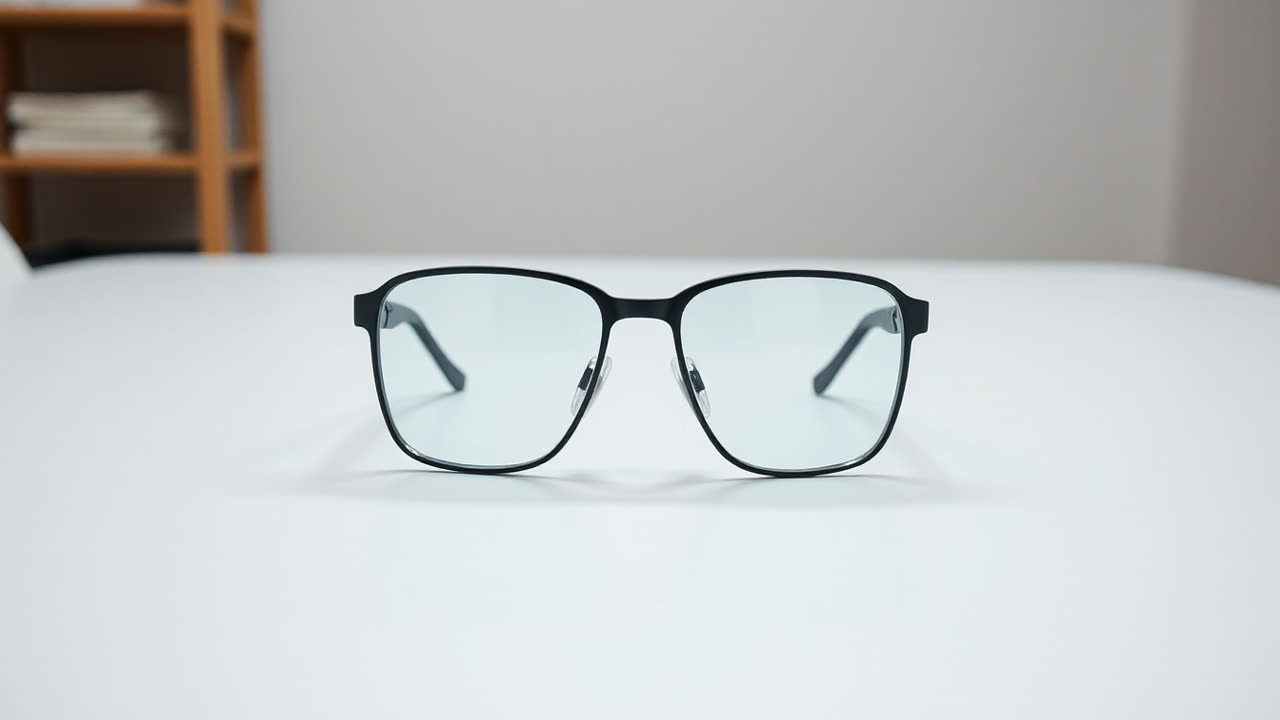
Meta is preparing to launch a version of its smart glasses without an integrated camera, a direct strategic pivot designed to neutralize the pervasive "perv glasses" accusations that have plagued its previous camera-equipped models like the Ray-Ban Stories. This move signals a profound recognition from the tech giant that privacy concerns, particularly around surreptitious recording, have become a formidable barrier to mainstream adoption for wearable technology, even overshadowing utility in the eyes of many consumers. The new camera-free iteration aims to strip away the most contentious feature, offering a more palatable entry point into the nascent smart glasses market, focusing instead on audio and potentially display functionalities.
The initial rollout of the Ray-Ban Stories, launched in partnership with EssilorLuxottica in September 2021, was met with significant public skepticism and privacy backlash, despite features like a visible LED indicator designed to signal recording. Critics and privacy advocates swiftly labeled them "pervert glasses" or "spy glasses," highlighting the potential for covert video and photo capture in public and private spaces. This perception problem severely hampered broader acceptance, limiting their appeal largely to early adopters and content creators who prioritized convenience over privacy optics. Meta's own internal documents and public statements acknowledged the challenges, with the company often finding itself defending the ethical implications of the device rather than celebrating its technological advancements. Sales figures, while not always publicly detailed by Meta, suggested a lukewarm reception compared to other Meta hardware ventures, failing to ignite the mass-market interest the company had hoped for.
By removing the camera, Meta is fundamentally altering the value proposition of its smart glasses. The camera-free version will likely emphasize augmented audio experiences, potentially offering features such as advanced noise cancellation, spatial audio for immersive media consumption, and hands-free access to voice assistants for navigation, communication, and information retrieval. This shifts the device from a discreet recording tool to a more personal, auditory-focused wearable, akin to advanced headphones integrated into eyewear. This strategy could open up new user segments, particularly those who value privacy above all else or work in environments where cameras are restricted, such as sensitive corporate settings, healthcare facilities, or educational institutions. The impact on the industry could be significant, potentially validating a bifurcated market for smart glasses: one segment focused on visual capture and AR, and another on more subtle, audio-centric utility. This also forces competitors to re-evaluate their own camera integration strategies and the associated privacy trade-offs.
Historically, smart glasses have struggled to find their footing in the consumer market, often clashing with social norms and privacy expectations. Google Glass, an early pioneer, faced similar "glasshole" accusations due to its prominent camera and often drew public ire. Snap's Spectacles, while embracing a more playful aesthetic, also contended with privacy debates, albeit on a smaller scale. Meta's camera-free approach directly addresses the primary failing of these predecessors by eliminating the most controversial element. In comparison to the Ray-Ban Stories, which offered dual 5MP cameras for photos and 30-second videos, the new model sheds this functionality entirely. This stark contrast positions the camera-free glasses not as a successor, but as an alternative, designed for a different user persona. Rival offerings, such as Amazon's Echo Frames, have already focused on audio-first experiences, demonstrating a viable path for camera-less smart eyewear. Apple, rumored to be developing its own mixed-reality glasses, is anticipated to face intense scrutiny regarding privacy, suggesting Meta's pre-emptive move could inform future industry standards.
Looking ahead, Meta's success with the camera-free glasses will hinge on its ability to effectively communicate the device's new purpose and distinguish it from its camera-equipped predecessors. The company must articulate a compelling use case that justifies the wearable form factor beyond what high-quality earbuds can offer. If this version gains traction, it could pave the way for more sophisticated camera-free smart glasses that integrate subtle heads-up displays for notifications or contextual information, without triggering privacy alarms. This iterative approach allows Meta to gradually introduce consumers to the concept of wearable computing, building trust before potentially reintroducing visual AR capabilities in a more socially acceptable manner. The long-term vision for the metaverse still heavily relies on advanced AR glasses, but this current strategic retreat on the camera front indicates a pragmatic understanding that mainstream acceptance requires navigating complex social and ethical landscapes with extreme caution, one feature—or lack thereof—at a time. It's a calculated risk, signaling that for Meta, dodging the "pervert glasses" label is currently a higher priority than pushing the boundaries of pervasive visual capture.