Meta's 'Adults-Only' Muse AI Features Child-Like Mascot and Tamagotchi-Style Device
Meta's new AI agent, Muse, despite being designated for users 18 and over, features a disarmingly cute, Labubu-like mascot and an upcoming Tamagotchi-style physical device, raising questions about its intended audience and potential appeal across age groups.
✨ This content was summarized and interpreted by AI; it may contain errors — please verify accuracy with the original sources. Learn more
Listen to this story
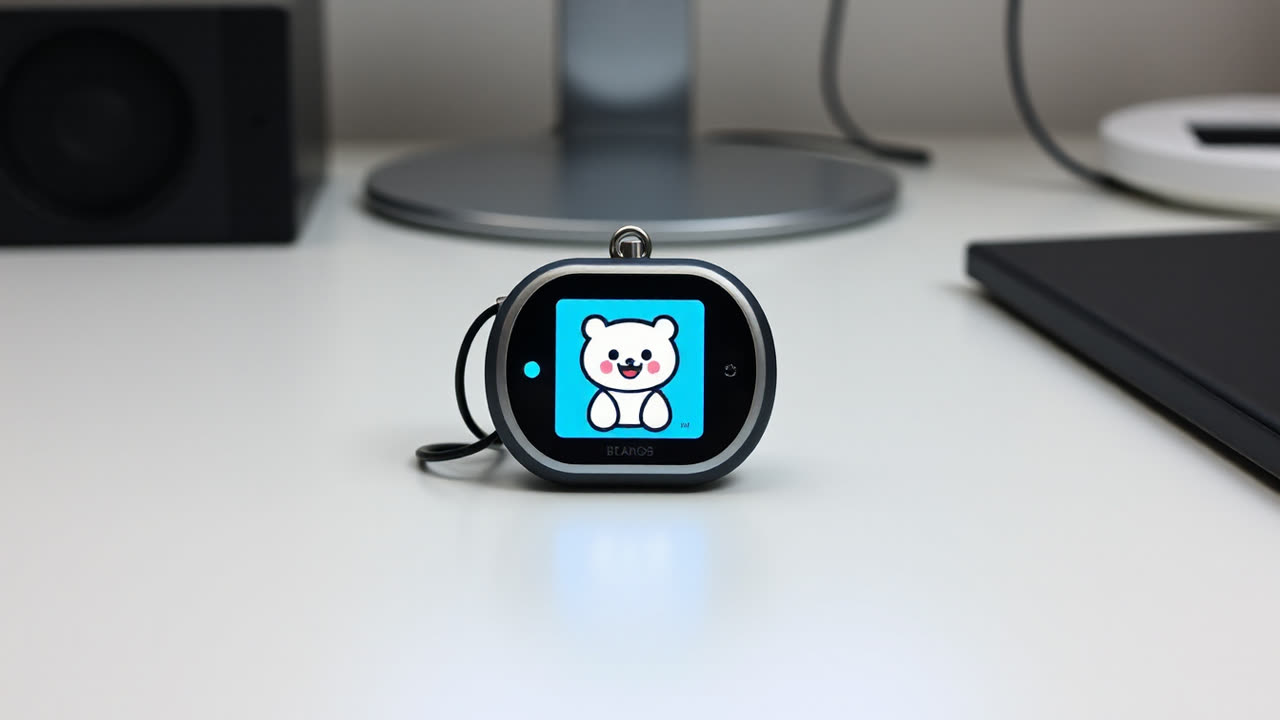
Meta's "Muse" AI, despite its declared adults-only focus, employs a disarmingly cute, Labubu-like mascot named Jolly and is slated for a Tamagotchi-style physical device called Muse Charm, raising immediate questions about its intended audience and potential appeal across age groups. Unveiled at Meta Connect, Muse is positioned as a personal AI agent designed for individuals 18 and over, capable of automating daily tasks such as writing emails, booking appointments, and managing long-term goals. The AI launched in early September, quickly garnering over 2.5 million downloads, and is set for integration into Meta smart glasses in the coming months.
The core paradox lies in Meta's choice of aesthetic for a product explicitly designated for adults. Jolly, described as a blend between a Labubu and a Fall Guys bean, is a customizable cartoon character with a soft smile and an unthreatening vibe. The upcoming Muse Charm device, a keychain-sized gadget with a two-inch screen, further reinforces this "cute" persona, allowing users to carry their AI agent like a digital pet. This design choice, led by former Apple design chief Alan Dye, appears to leverage the popularity of collectible plush toys and bag charms, potentially appealing to a younger demographic, even as Meta states Muse is for adults. Labubu itself is a popular line of collectible plush toys created by Hong Kong illustrator Kasing Lung, known for its "ugly-cute" charm and exaggerated facial expressions, finding significant popularity across East and Southeast Asia.
This strategic aesthetic matters significantly due to its potential impact on user perception and industry norms. For users, the disconnect between a cuddly exterior and an adult-oriented AI could create cognitive dissonance, potentially blurring the lines of appropriate interaction. While Meta stresses Muse's safety and privacy features, running on a dedicated secure virtual machine, the disarming appearance might inadvertently encourage engagement from minors who are already prone to viewing AI bots as companions. This is particularly concerning given past criticisms of Meta's AI safety for teens, with reports from August 2025 indicating "unacceptable risk" for users under 18 across Meta's platforms, despite age restrictions. Though Meta has since announced plans to suspend teen access to current AI characters and rebuild the experience with child safety as a foundational priority, the inherent appeal of "cute" AI complicates age gating enforcement.
From an industry perspective, Meta's approach sets a precedent for AI character design and age-gating challenges. While other AI chatbots like Character.AI and Replika also offer companion-like interactions, Meta is uniquely integrating a highly merchandisable, "cute" mascot directly into its core AI agent and dedicated hardware. This move aims to differentiate Muse from more utilitarian AI assistants like ChatGPT or Microsoft's Copilot, which lack such a strong character focus. Meta's broader strategy involves rolling out AI-driven personas across Facebook, Instagram, and WhatsApp to boost user engagement, with a vision for AI characters to eventually exist on its platforms "in the same way that accounts do," complete with profiles and the ability to generate content. This push towards anthropomorphizing AI, particularly with an emotionally engaging design, could lead to deeper parasocial relationships, raising ethical questions about the nature of these interactions, especially if they delve into sensitive adult topics.
Looking ahead, Meta faces immediate challenges in ensuring strict adherence to its adults-only designation for Muse, particularly with the Muse Charm device shipping by December. The company has been working on advanced AI to remove underage users from its platforms since at least May 2026, analyzing contextual clues and visual data, but the effectiveness of these measures against a "cute" appeal remains to be fully tested. Regulators and child safety advocates will likely scrutinize Meta's implementation of age verification and content moderation, especially given the history of concerns regarding AI safety for minors on Meta platforms. The future of AI companion design may see a proliferation of character-driven AI, but Meta's bold move with Muse highlights the critical tension between engaging aesthetics and responsible age-appropriate functionality. The success of Muse will not only depend on its utility but also on Meta's ability to navigate the ethical complexities of creating emotionally resonant AI companions without inadvertently exposing younger audiences to adult-intended interactions.