Meta's Conceptual $1,299 'VR Glasses' Signal Pivotal Shift for Mainstream Adoption
Meta is moving beyond bulky headsets towards a sleeker, more integrated form factor, aiming to shatter barriers to widespread VR acceptance.
✨ This content was summarized and interpreted by AI; it may contain errors — please verify accuracy with the original sources. Learn more
Listen to this story
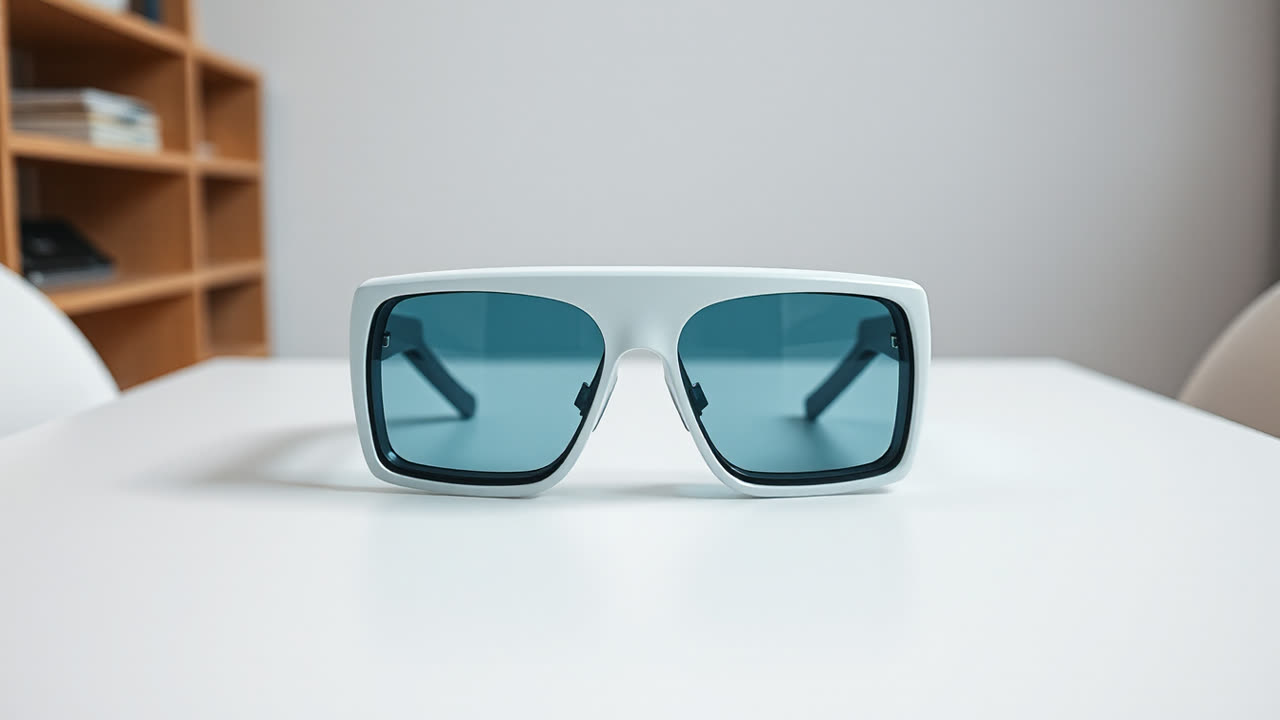
The introduction of Meta's latest virtual reality hardware, even if conceptually represented by the $1,299 "VR Glasses" rather than a single, universally recognized product launch, marks a pivotal moment in the nascent journey of immersive technology. This isn't merely another incremental update to an existing headset line; it signals a critical strategic shift by Meta to address the fundamental barriers hindering mainstream VR adoption, moving beyond bulky headsets towards a sleeker, more integrated form factor that could finally unlock the technology's full potential.
The core news, therefore, isn't just about a price point or a specific model, but about the *direction* Meta is aggressively pursuing. While the current flagship, the Meta Quest 3, launched at $499.99 in October 2023, delivered a significant leap in mixed reality capabilities and a slimmer profile than its predecessors, the conceptual "VR Glasses" at a higher price point suggest a premium, more refined experience aimed at blurring the lines between the digital and physical worlds in a truly unobtrusive way. This move is less about raw computational power and more about form factor and user experience — the transition from a "headset" to "glasses" is crucial for everyday wearability and social acceptance.
This shift matters profoundly because it directly confronts the two biggest impediments to VR's widespread acceptance: comfort and social stigma. Current VR headsets, even the Quest 3, remain relatively cumbersome, leading to user fatigue and making them impractical for prolonged use outside dedicated gaming or work sessions. Their isolating nature also makes them socially awkward in shared spaces. A "VR Glasses" form factor, particularly if it truly resembles conventional eyewear, could shatter these barriers. Imagine a device that offers the immersive capabilities of VR without the visual bulk, allowing users to seamlessly transition between digital content and real-world interactions without removing the device. This would transform VR from an isolated activity into an integrated layer of daily life, fostering a new era of "always-on" mixed reality experiences.
Comparing Meta's trajectory to its rivals highlights the strategic importance of this conceptual leap. Apple’s Vision Pro, launched in early 2024, set a new benchmark for high-fidelity mixed reality, offering unparalleled passthrough video and spatial computing capabilities at a premium starting price of $3,499. While the Vision Pro undeniably showcases what's possible, its significant weight (reportedly around 1.3 to 1.4 pounds) and high cost position it as a specialized, high-end computing device rather than a mass-market wearable. Meta, with its Quest line and the conceptual "VR Glasses," appears to be targeting a broader sweet spot: delivering advanced mixed reality in a more accessible and wearable form factor, even if it means a higher price than the entry-level Quest devices. The $1,299 price point places it significantly below the Vision Pro but above typical gaming consoles, suggesting a device aimed at early adopters and prosumers seeking a blend of productivity, entertainment, and social connection without the Vision Pro's financial barrier.
The background of VR's evolution further underscores this moment. For years, VR has been largely confined to gaming and niche enterprise applications, struggling to break into the mainstream despite technological advancements. Early consumer headsets like the Oculus Rift and HTC Vive, while groundbreaking, were tethered, expensive, and required powerful PCs. Standalone headsets like the Meta Quest line democratized access by removing cables and lowering costs, but the fundamental "headset" design persisted. The move towards "glasses" represents the next logical, and arguably necessary, evolutionary step. It signifies a maturation of the technology, where miniaturization, power efficiency, and advanced optics converge to create a device that prioritizes user comfort and integration over sheer processing power or field-of-view, which have often been the primary metrics of progress.
Looking ahead, the successful realization of truly slim, powerful "VR Glasses" will usher in an era where augmented reality (AR) and virtual reality (VR) converge into a single, seamless mixed reality experience. This could unlock entirely new applications, from collaborative remote work environments that feel truly present, to immersive educational experiences, and even dynamic, context-aware digital overlays on our everyday lives. Meta's long-term vision, often articulated by CEO Mark Zuckerberg, involves building the "metaverse" – a persistent, interconnected digital world. Achieving this vision hinges on creating hardware that is as ubiquitous and unobtrusive as smartphones are today. The conceptual "VR Glasses" are a crucial step towards that future, demonstrating Meta's commitment to solving the physical challenges of immersion. While challenges remain in battery life, optical clarity, and content development, the pursuit of a comfortable, socially acceptable, and powerful "VR Glasses" form factor is not just about saving VR; it's about defining its inevitable, pervasive future.