Meta's Muse Image AI Sparks Privacy Outcry Over Default Instagram Photo Use
Meta's new AI image generator, Muse Image, has launched with a contentious default setting that uses public Instagram photos, immediately raising significant user privacy concerns.
✨ This content was summarized and interpreted by AI; it may contain errors — please verify accuracy with the original sources. Learn more
Listen to this story
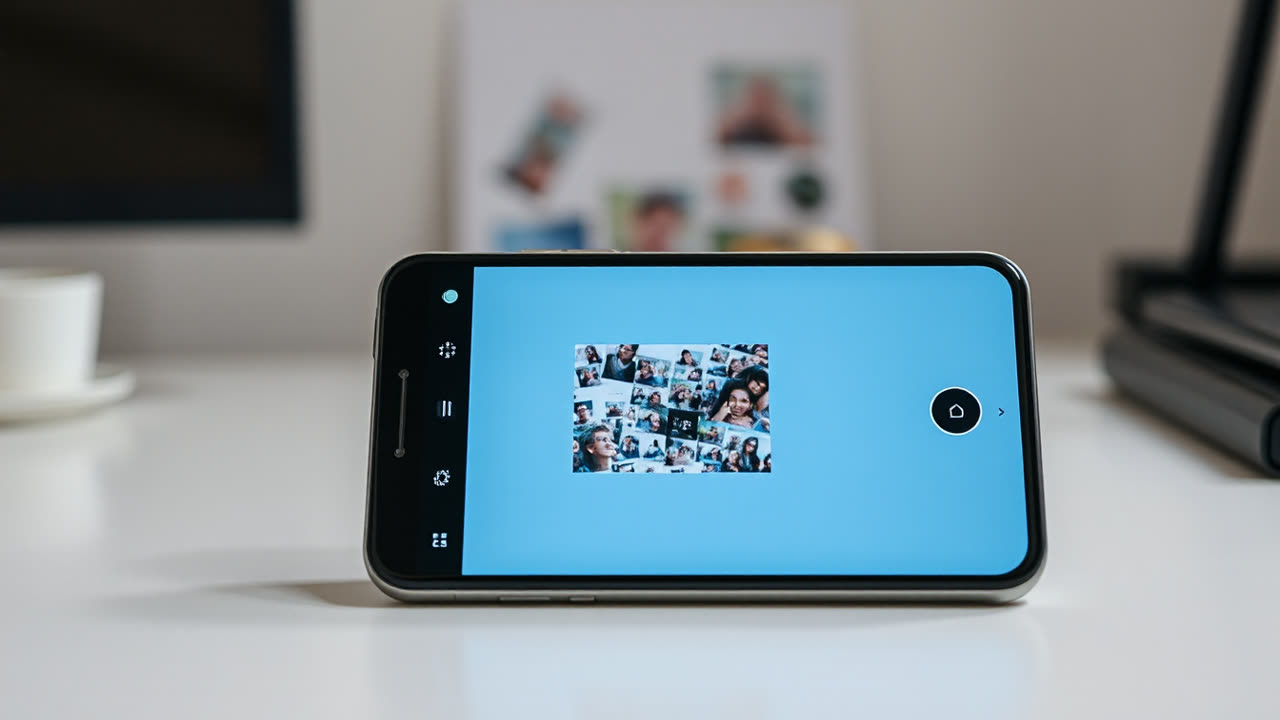
Meta's new AI image generator, Muse Image, launched on July 7, 2026, and immediately faced user privacy concerns due to its default ability to use public Instagram photos for AI-generated content. Available across Meta AI, Instagram Stories, and WhatsApp, with plans for Facebook and Messenger, Muse Image allows users to create and edit visuals, including innovative features like redesigning rooms with products from Facebook Marketplace. The core issue, however, is its default activation of drawing from public Instagram profiles without explicit user consent or notification.
This move signifies a major strategic shift for Meta, aiming to integrate AI capabilities internally, reduce reliance on third-party vendors, and unlock vast commercial opportunities, particularly for advertisers via the Advantage+ platform. External developers will also gain access to these models. However, the "opt-out" mechanism for personal photos, coupled with the lack of notification, places a heavy burden on users to manage their digital likeness. While Meta includes invisible digital watermarks and safety safeguards, these do not address the fundamental consent and data utilization issues.
This approach raises profound ethical questions about data privacy and individual autonomy, echoing broader industry debates on AI training data ethics. Meta's prioritization of innovation over a transparent, opt-in consent model for user data is highly likely to attract further regulatory scrutiny and sustained user backlash, highlighting the delicate balance between technological advancement and safeguarding user trust.