Meta's New Ray-Ban Smart Glasses Feature Advanced Multimodal AI and Higher Price
Meta's Ray-Ban Gen 3 smart glasses launch with a significant price increase, introducing advanced on-device multimodal AI and enhanced hardware, marking a crucial step in its wearable technology strategy.
✨ This content was summarized and interpreted by AI; it may contain errors — please verify accuracy with the original sources. Learn more
Listen to this story
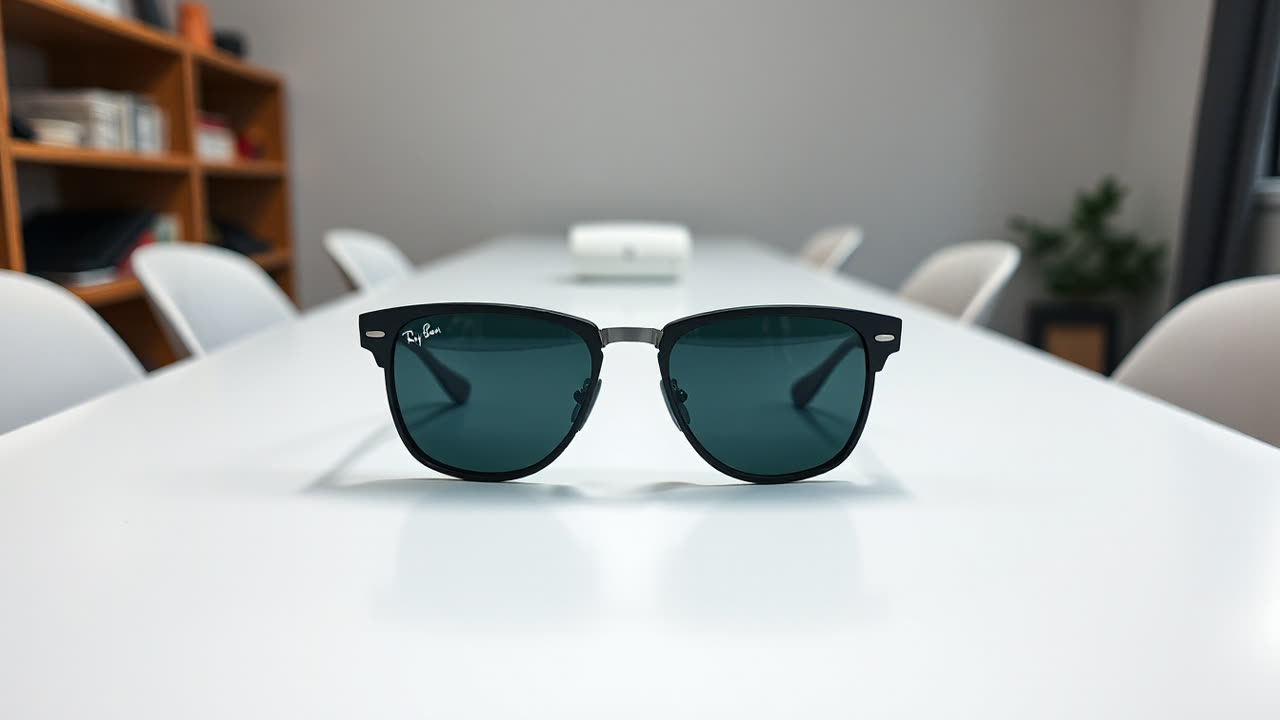
Meta's latest foray into wearable technology, the Ray-Ban Meta Gen 3 smart glasses, arrived with a significant price increase and a suite of AI-driven enhancements, signaling Meta's continued, yet cautious, commitment to the nascent smart glasses market. The Gen 3 models, which launched at prices starting around $349, represent a notable jump from the Gen 2's initial $299 price point, primarily justifying this premium with integrated multimodal AI capabilities and improved hardware specifications.
The core innovation in the Gen 3 lies in its advanced on-device multimodal AI, a substantial leap from the more rudimentary AI features of its predecessor. While the Gen 2 offered basic voice commands for capturing photos and videos, the Gen 3 empowers users with real-time information and contextual understanding through its "Ask Meta AI" feature. Users can now ask the glasses to identify objects, translate signs, or provide information about their surroundings, leveraging both visual and auditory input. This contextual awareness is facilitated by a more powerful Qualcomm Snapdragon AR1 Gen 1 Platform, replacing the Gen 2's Snapdragon 8 Gen 1, which promises faster processing and more efficient AI operations. The camera system also sees an upgrade, moving from a 12MP ultrawide lens in the Gen 2 to a higher-resolution 50MP ultrawide camera in the Gen 3, capable of 1080p video recording at 60fps and 4K video recording at 30fps, offering significantly improved image and video quality. Audio quality, a critical component for both communication and AI interaction, has been refined with new custom-built speakers that deliver extended bass and higher maximum volume, alongside improved spatial audio and noise-canceling microphones for clearer calls and voice commands. Storage has also been doubled to 32GB, providing more space for captured media. Design-wise, the Gen 3 maintains the iconic Ray-Ban aesthetic but introduces new styles like the Headliner and Skyler, alongside the classic Wayfarer, with a slightly lighter frame and improved water resistance rated at IPX4, compared to the Gen 2's IPX4 rating.
This iterative update, while seemingly expensive for the improvements, matters profoundly for Meta's long-term vision of augmented reality and the metaverse. For users, the Gen 3's multimodal AI moves smart glasses beyond a mere camera-on-your-face novelty to a genuinely assistive device. The ability to receive real-time information about the world around them, without having to pull out a phone, represents a tangible step towards a more seamlessly integrated digital and physical experience. This could foster new use cases in travel, education, and daily assistance, making the technology more practical and less intrusive. However, the higher price point for an "iterative" update might deter casual consumers, limiting its reach to early adopters and tech enthusiasts. The enhanced privacy controls, including a larger, more visible LED indicator when recording, are crucial for public acceptance, addressing one of the primary concerns that plagued earlier smart glasses iterations.
From an industry perspective, the Gen 3 solidifies Meta's position as a persistent, albeit solitary, player in the consumer smart glasses space. While Apple has focused on its Vision Pro for a high-end, immersive spatial computing experience and Google has largely retreated from consumer smart glasses after the Glass Explorer Edition, Meta is steadfastly pursuing a more subtle, fashion-integrated approach. The Gen 3's focus on AI and practical utility, rather than full-blown augmented reality overlays, suggests a pragmatic strategy to gradually introduce users to wearable computing. This approach is less about creating a new digital world and more about enhancing the existing one, potentially paving the way for more advanced AR glasses in the future. The continued partnership with Luxottica (Ray-Ban's parent company) underscores the importance of fashion and wearability in driving adoption, a lesson learned from past failures in the smart glasses market.
Looking ahead, the trajectory of Ray-Ban Meta smart glasses will likely hinge on the evolution and widespread acceptance of its integrated AI. Future iterations could see more advanced AR capabilities, moving beyond simple information overlays to interactive digital elements that blend seamlessly with the physical world. The current Gen 3 is a foundational step, testing the waters for user interaction with on-device AI in a discreet form factor. The success of this generation will dictate the pace of Meta's investment in this category. Competitors, particularly Apple, are rumored to be exploring their own versions of more subtle smart glasses, which could ignite a more robust market in the coming years. For now, Meta is refining the core utility and user experience, betting that convenience and context-aware AI will eventually make smart glasses an indispensable part of everyday life, rather than just a niche gadget. The challenge remains to reduce the cost, further enhance battery life, and address persistent privacy concerns to truly break into the mainstream.