Meta's Ray-Ban Smart Glasses: AI Upgrades Overshadowed by Design 'Baggage' and Premium Dip
Meta's latest Ray-Ban smart glasses, launched in late 2023, integrate live streaming and multimodal AI but are criticized for a noticeable decline in perceived premium quality and user experience issues.
✨ This content was summarized and interpreted by AI; it may contain errors — please verify accuracy with the original sources. Learn more
Listen to this story
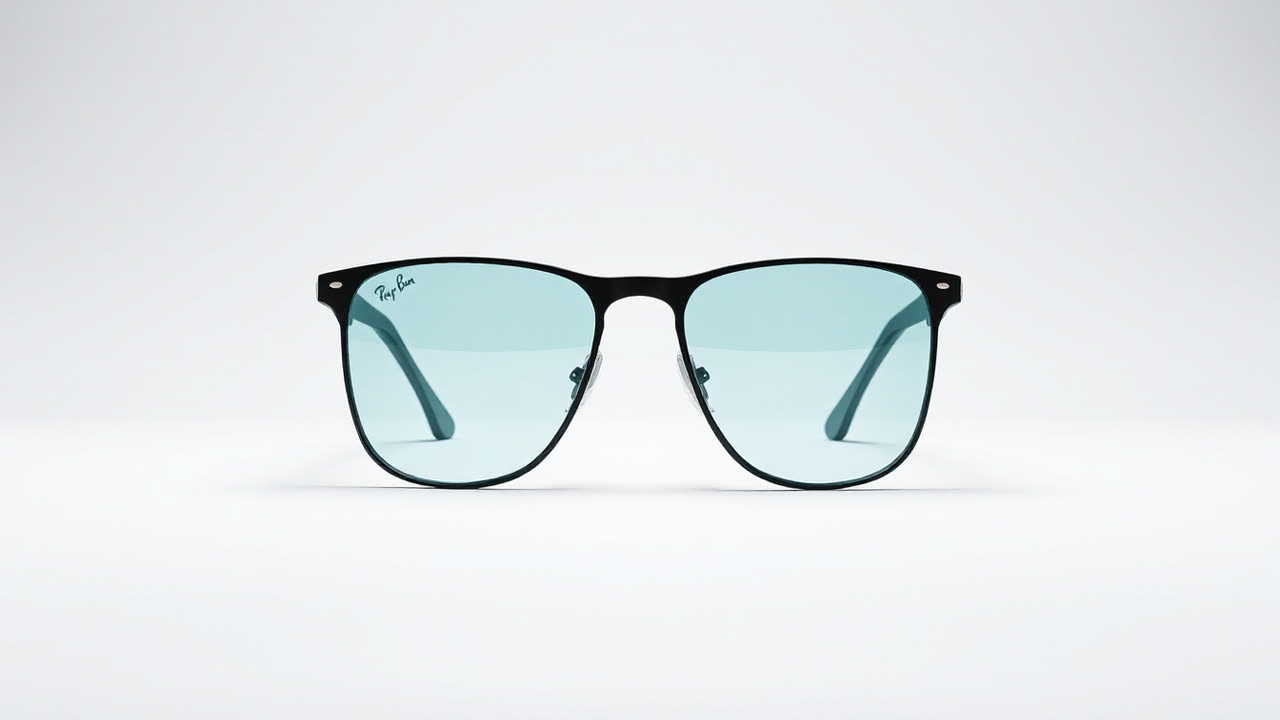
Meta's latest smart glasses, the Ray-Ban Meta Smart Glasses, launched in late 2023, have introduced a suite of advanced features, including live streaming and multimodal AI capabilities, yet critical reception points to a notable dip in perceived premium quality compared to their predecessors, despite maintaining similar core functionality. This perceived lack of "polish" and increased "baggage" represents a significant hurdle for Meta's ambition to normalize augmented reality wearables, particularly as the market anticipates more sophisticated and truly immersive devices.
At their core, the Ray-Ban Meta Smart Glasses offer hands-free photography and videography with a 12-megapixel ultrawide camera, open-ear audio, and seamless integration with Meta's ecosystem for sharing content. They introduced live streaming directly to Facebook and Instagram, a feature absent in the original Ray-Ban Stories, and incorporated a Meta AI assistant for voice commands and information retrieval. Priced starting at $299, the glasses support up to four hours of continuous use on a single charge and come with a charging case that provides eight additional charges. However, reviews have frequently highlighted design compromises, such as a bulkier profile than standard Ray-Ban frames and a less refined aesthetic than one might expect from the iconic brand partnership. The "baggage" extends beyond physical design; it encompasses user experience frustrations with the Meta View app, which some reviewers found clunky for managing content, and persistent privacy concerns surrounding always-on recording devices.
This perceived step back in premium feel, despite technological advancements, matters profoundly for both users and the industry. For users, the promise of smart glasses is often tied to seamless integration into daily life without sacrificing style or comfort. If a device feels less premium or introduces usability friction, adoption rates will inevitably suffer. The "baggage" of privacy concerns is particularly weighty, as public trust remains fragile when it comes to discreet recording devices. Meta's history with data privacy issues amplifies these concerns, making the barrier to widespread social acceptance higher than for other tech companies. For the industry, Meta's approach signals a tension between rapid feature iteration and meticulous product refinement. While Meta pushes the boundaries of AI integration in a wearable form factor, the apparent trade-off in design and user experience could inadvertently validate skepticism about the readiness of AR glasses for the mainstream. It reinforces the idea that current smart glasses are still largely for early adopters willing to overlook imperfections for novel functionality, rather than a polished consumer product.
Comparing the Ray-Ban Meta Smart Glasses to their rivals and prior generations illuminates this challenge. The first generation Ray-Ban Stories, while more limited in features, were often praised for their closer resemblance to traditional eyewear, making them less conspicuous. The current model, while adding significant capabilities like the upgraded camera and AI, sacrifices some of that discreet charm. In the broader landscape, devices like Xreal Air 2 Pro ($399) primarily focus on providing a large virtual display for media consumption or productivity, offering a different value proposition without the same emphasis on camera-centric social sharing or discreet design. Apple's Vision Pro, while an entirely different class of device and price point ($3,499), sets an extremely high bar for visual fidelity and spatial computing, creating an expectation among consumers for sophisticated and seamlessly integrated experiences from future AR wearables, even if more affordable. Meta's glasses occupy a middle ground, attempting to blend everyday style with advanced tech, but the current iteration suggests a struggle to perfectly balance these elements without compromise.
Looking ahead, Meta's trajectory with smart glasses will likely involve a continued push towards miniaturization and more sophisticated AI integration, aiming to overcome the current design and user experience limitations. The company has openly discussed its long-term vision for true AR glasses capable of projecting digital information onto the real world, a goal far more ambitious than the current camera-and-audio-centric models. Future iterations will need to address the "baggage" of bulk and privacy head-on, perhaps through more advanced materials, custom optics that allow for thinner frames, and clearer, more intuitive indicators for recording. The evolution of the Meta AI assistant within the glasses will be crucial; as it becomes more capable and contextually aware, its utility could outweigh some of the design compromises. However, for Meta to truly succeed in making smart glasses a ubiquitous consumer product, the next generation must deliver not just incremental feature upgrades, but a genuinely premium, effortlessly integrated experience that feels less like a gadget and more like an organic extension of personal style and capability. The market is maturing, and consumer patience for "less polish" is dwindling as expectations for seamless, high-quality technology continue to rise.