Meta's Smart Glasses Update: Camera Disables if Privacy LED Tampered
Meta's smart glasses will now automatically disable their camera if the privacy LED light is detected to have been tampered with, directly addressing covert recording concerns.
✨ This content was summarized and interpreted by AI; it may contain errors — please verify accuracy with the original sources. Learn more
Listen to this story
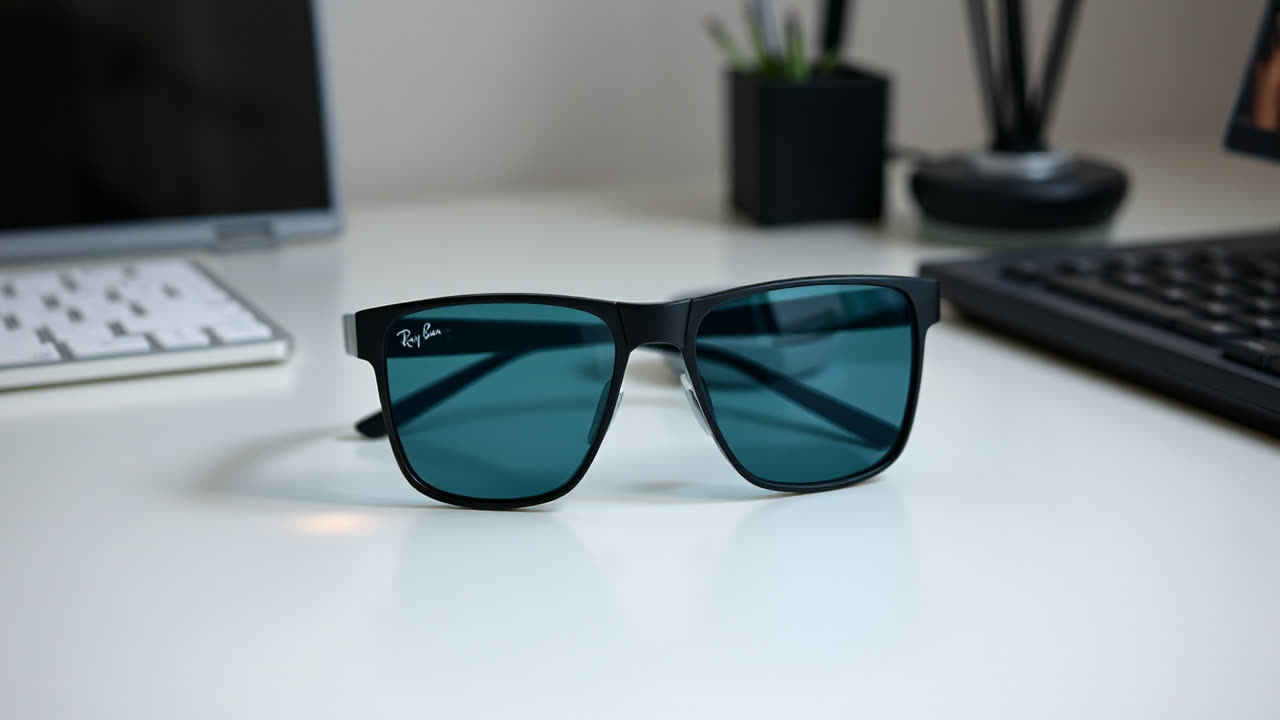
In a significant move to address escalating privacy concerns, Meta has announced an update to its smart glasses that will automatically disable the camera if the device's privacy LED light is detected to have been tampered with or destroyed. This proactive measure directly confronts a growing trend of third-party modifications that allowed users to covertly record individuals without their knowledge or consent, severely undermining the intended privacy safeguards of the Ray-Ban Meta glasses.
The company's smart glasses, which integrate cameras and microphones into seemingly ordinary eyewear, have faced considerable public backlash and scrutiny since their introduction. Critics, including privacy advocates and Generation Z, have highlighted the ease with which these devices could be used for surreptitious recordings, particularly after reports emerged of modders offering services to physically disable the crucial LED indicator light that signals when the camera is active. This created a "stealth mode," making it nearly impossible for bystanders to know if they were being filmed.
This update represents Meta's attempt to reinforce user trust and mitigate the perception of its smart glasses as potential surveillance tools. By hard-coding a camera disablement function linked to the integrity of the privacy light, Meta aims to eliminate the most egregious workaround for covert recording. However, the broader privacy debate surrounding wearable AI continues to be complex, encompassing issues from data collection for AI training to the inherent discreetness of the technology itself. While a welcome step, this fix addresses a symptom rather than the root cause of public distrust in always-on recording devices, underscoring the ongoing challenge for tech giants to balance innovation with fundamental privacy expectations in an increasingly augmented world.