Meta to Begin Production of In-House AI Chips in September
Meta is set to start producing its custom 'Iris' AI chips in September, aiming to double its data center computing power and reduce dependence on external vendors like Nvidia.
✨ This content was summarized and interpreted by AI; it may contain errors — please verify accuracy with the original sources. Learn more
Listen to this story
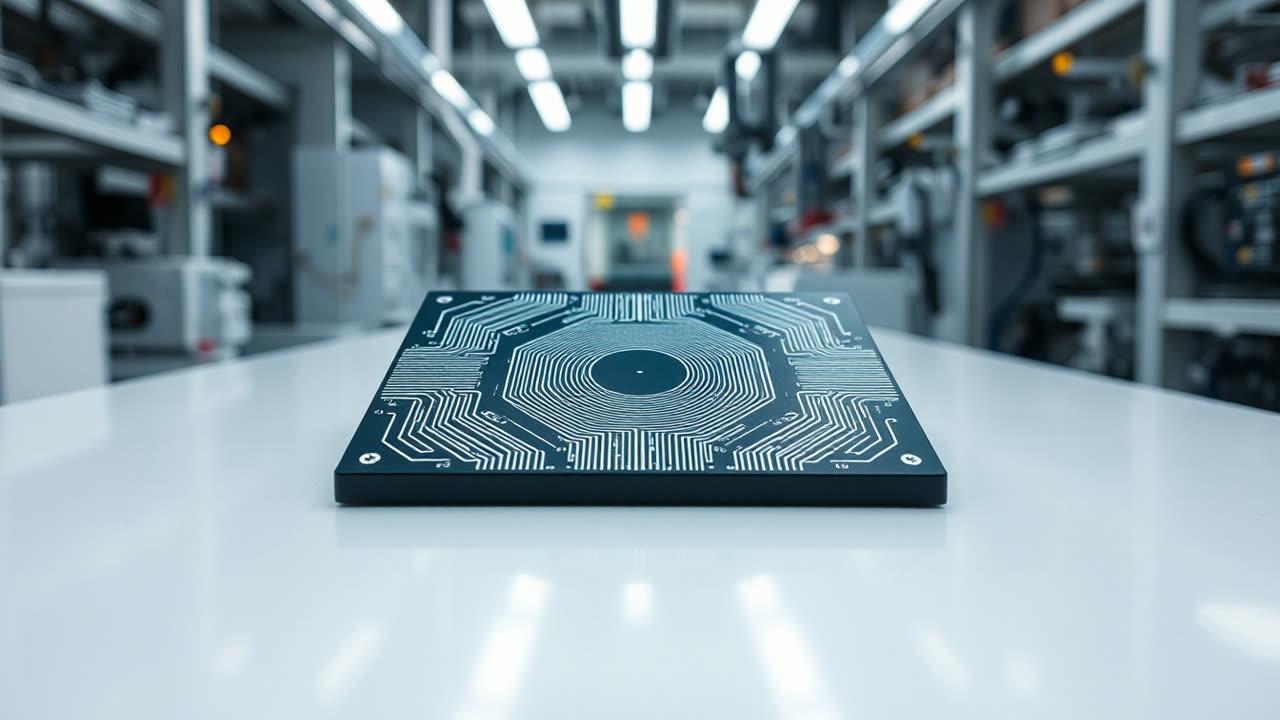
Meta Platforms is poised to commence production of its proprietary artificial intelligence chips, codenamed "Iris," in September. This strategic move, part of the Meta Training and Inference Accelerator (MTIA) line, is designed to significantly enhance the company's computing capacity and lessen its reliance on external suppliers, particularly Nvidia. Meta aims to roughly double its data center computing power to 14 gigawatts by 2027, a substantial increase from an estimated 7 gigawatts this year.
This accelerated timeline follows Meta's March announcement of four new MTIA chips (300, 400, 450, and 500), which are slated for release on an unusually rapid six-month cycle, deviating from the industry's typical annual refresh. This modular design philosophy is crucial for Meta, enabling swift adaptation of its hardware as AI models and workloads evolve at an unprecedented pace. By optimizing these chips for its specific operations, such as ranking, recommendations, and generative AI inference, Meta anticipates achieving superior cost efficiency and reduced power consumption compared to using general-purpose GPUs.
While the current MTIA chips primarily target inference workloads – the day-to-day delivery of AI predictions – Meta's long-term vision extends to tackling more demanding training tasks. This is an area where Nvidia's hardware and CUDA software currently maintain a dominant position. This aggressive foray into custom silicon, developed in collaboration with Broadcom and manufactured by TSMC, underscores Meta's record capital expenditure guidance of up to $145 billion by 2026 for AI infrastructure. It also reflects a broader industry trend where major tech firms are heavily investing in bespoke hardware to secure a competitive advantage and greater control over their AI development, ensuring flexibility and efficiency in a rapidly transforming technological landscape.