Meta wants its AI glasses to seem less creepy. Its AI strategy says otherwise.
Meta is adding a new safeguard to stop people from secretly recording others with its AI glasses, even as the company continues to expand how much personal data its AI products collect and use.
✨ This content was summarized and interpreted by AI; it may contain errors — please verify accuracy with the original sources. Learn more
Listen to this story
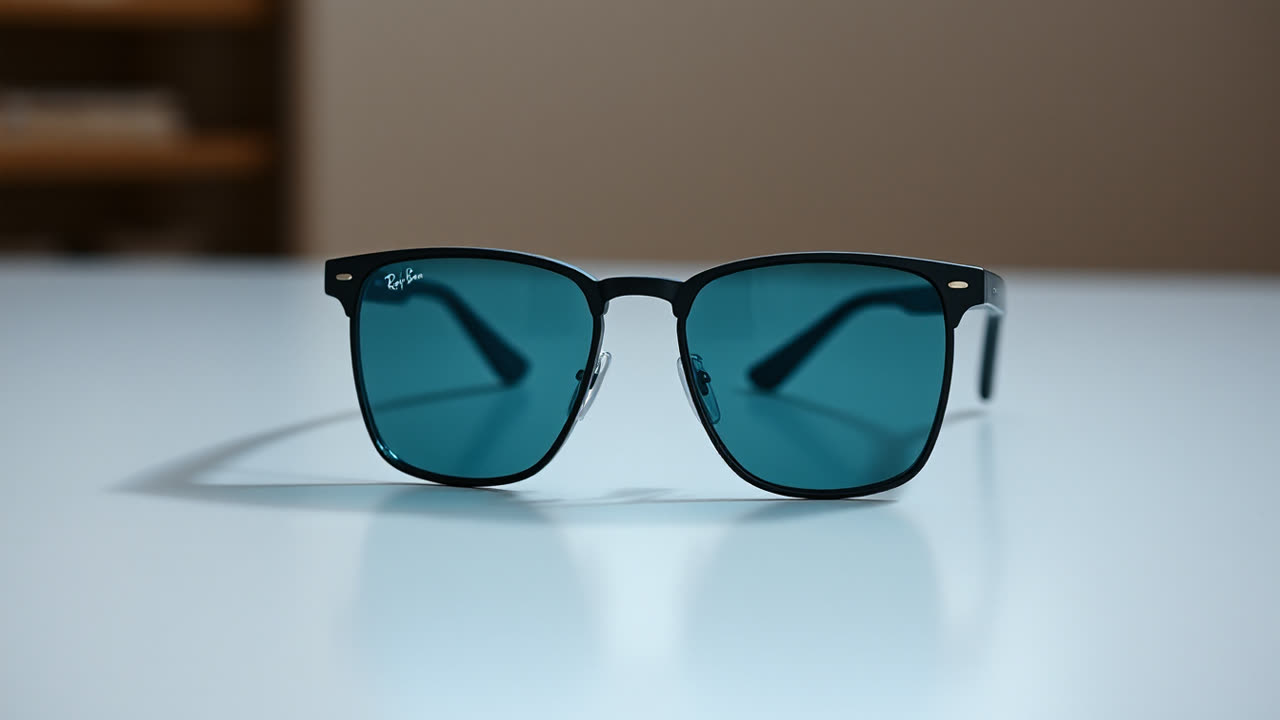
Meta is deploying a mandatory software update for its AI-powered smart glasses that will disable the camera if the device's privacy light (capture LED) is physically tampered with or destroyed. This significant safeguard, rolling out to all Meta Ray-Ban, Meta Oakley, and the new Meta Glasses, directly confronts a pervasive issue where users were modifying or removing the LED to secretly record others, leading to widespread public backlash and concerns about surreptitious surveillance. Previously, the camera was only disabled if the LED was merely covered, a loophole modders exploited by offering services to physically alter the hardware. Meta is also committed to removing advertisements for such tampering services and pursuing legal action against those who offer them.
However, this privacy-enhancing move exists in stark contrast to Meta's broader, more aggressive AI strategy. While addressing immediate "creepiness" concerns, the company is simultaneously expanding how much personal data its AI products collect and utilize. Leaked internal plans suggest future AI glasses could incorporate "always-on" or "super sensing" features, continuously capturing ambient data without a clear indication from the recording LED, shifting from "record-on-command" to "record-by-default". Furthermore, Meta's 2026 AI privacy policy, implemented in March, reveals an intent to leverage vast amounts of AI-generated user data, including from AI chat interactions and images captured by its smart glasses, to train its AI systems. This data collection often lacks opt-out options for users outside of specific regions like Europe and Brazil. The company has even faced a class-action lawsuit for allegedly sending private camera footage to third-party subcontractors for AI model training.
This dual approach presents a profound paradox. Meta is taking reactive steps to mitigate a highly visible privacy flaw in its wearable tech, driven by intense public scrutiny and accusations of "pervert glasses". Yet, its underlying AI ambitions appear to push towards an even deeper, more pervasive integration of data collection into users' lives. While the camera-disabling update is a necessary fix, it only addresses the symptom, not the systemic tension between Meta's hunger for data to fuel its AI and the public's demand for genuine privacy-by-design. The long-term challenge for Meta remains building trust when its core strategy seems to inherently prioritize data acquisition over comprehensive user control and transparency.