Microsoft Attributes Windows 11 Crashes to RGB Lighting Software
Microsoft has officially attributed a wave of debilitating Windows 11 crashes, blue screens of death (BSODs), and game freezes directly to software controlling RGB lighting peripherals.
✨ This content was summarized and interpreted by AI; it may contain errors — please verify accuracy with the original sources. Learn more
Listen to this story
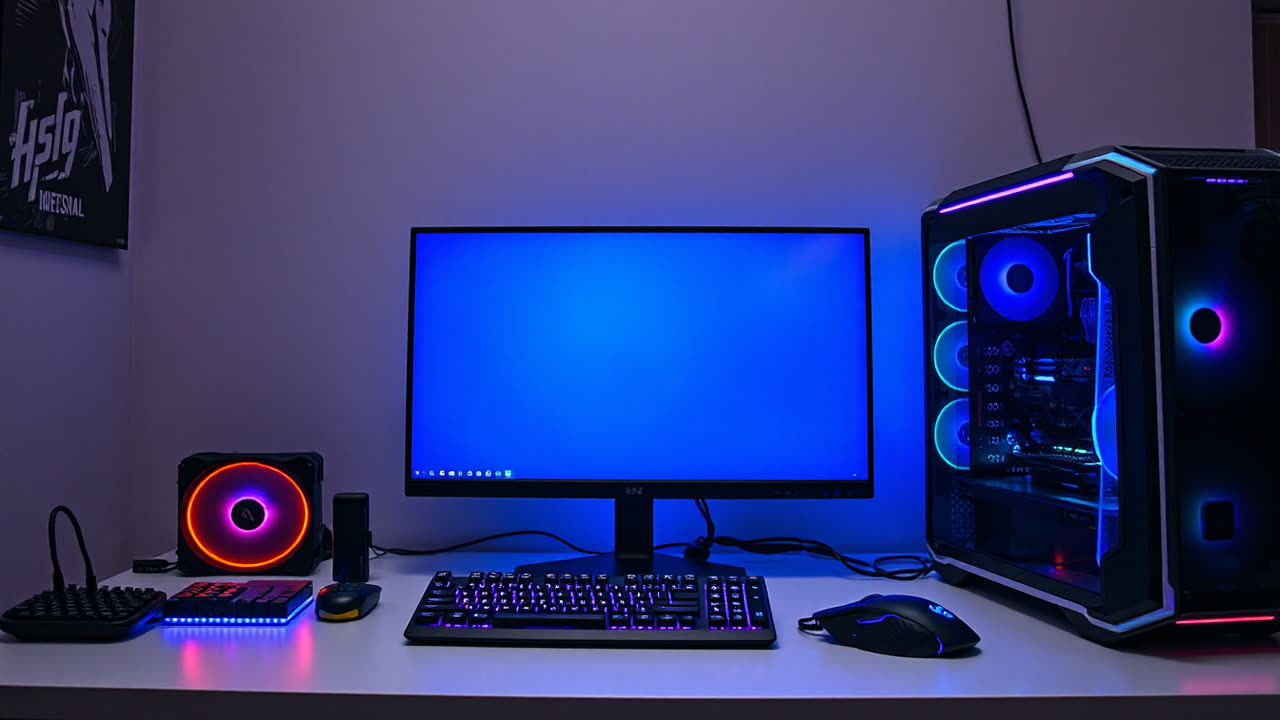
Microsoft has officially attributed a wave of debilitating Windows 11 crashes, blue screens of death (BSODs), and game freezes directly to software controlling RGB lighting peripherals. This startling admission follows the rollout of the August 2026 cumulative update, KB5121003, which seemingly exposed a fundamental conflict between the operating system's updated security protocols and the low-level drivers employed by numerous RGB customization applications. The core of the problem lies with drivers or code components, often bearing file names similar to "inpoutx64," that these RGB utilities install to manage lighting effects. These drivers, designed to operate with kernel-level privileges to interact directly with hardware, are now clashing with the stringent anti-cheat mechanisms embedded in popular online games, triggering "EXCEPTION_ACCESS_VIOLATION" errors and forcing system reboots. Games like Arc Raiders, MARVEL Tōkon: Fighting Souls, and The Finals have been particularly affected, leaving a segment of the PC gaming community unable to play their favorite titles. While Microsoft is actively investigating the precise relationship between these RGB components and the games that trigger the issue, a permanent fix remains elusive, with current temporary workarounds involving manual disabling of the problematic driver via the Registry Editor.
This revelation is more than just another Windows bug; it underscores a growing tension at the intersection of user customization, system security, and gaming integrity, presenting significant ramifications for both consumers and the broader tech industry. For the legions of users who have embraced RGB lighting as a cornerstone of their personalized gaming rigs, the news is deeply frustrating. The promise of dynamic, synchronized lighting effects across keyboards, mice, fans, and motherboards has now been overshadowed by the threat of system instability. This isn't merely an aesthetic inconvenience; it directly impacts the core functionality of their PCs, particularly for gamers who rely on stable systems for competitive play and streaming. The sentiment among users is palpable, with many expressing exasperation over recurring post-update issues, some noting a consistent pattern of monthly updates introducing new instabilities since late 2025. The necessity of manually editing the system registry or relying on developer-provided workarounds for specific games highlights a significant lapse in user experience and trust in Windows 11's foundational stability.
The industry impact is multifaceted. Peripheral manufacturers like Razer, Corsair, SteelSeries, and Logitech, whose ecosystems are built around proprietary RGB control software, face scrutiny. While their software is the direct cause, the underlying issue has been brought to light by a Windows update, suggesting a long-standing architectural vulnerability. This incident could force these companies to re-evaluate how their drivers interact with the operating system, potentially pushing them towards more standardized, less intrusive methods of hardware control that do not require kernel-level access or conflict with anti-cheat measures. The broader implication for Microsoft is also considerable. Windows 11 has positioned itself as a premium gaming platform, and recurring issues that impede gameplay erode that image. This latest conflict adds to a history of Windows updates causing gaming disruptions, including past instances in October 2024 with Asphalt 8 crashes due to Easy Anti-Cheat and a January 2025 bug in the Auto HDR feature. These repeated incidents suggest a systemic challenge in managing the complex interplay of a constantly evolving OS, diverse hardware drivers, and aggressive anti-cheat technologies.
The "inpoutx64.sys" driver, central to this conflict, is not exclusive to RGB software; it's also utilized by various low-level system utilities, including hardware monitoring tools. This suggests that the problem extends beyond mere aesthetic lighting, pointing to a more fundamental tension between applications requiring deep system access and Microsoft's tightening security stance, especially in the context of anti-cheat software that vigilantly guards against any perceived kernel-level interference. The move by some users towards universal RGB control applications like SignalRGB or OpenRGB, which boast "strictly defined whitelists" for their drivers, indicates a market demand for more robust and OS-friendly solutions.
Looking ahead, the onus is on Microsoft to deliver a comprehensive and lasting solution that doesn't compromise system security or force users to choose between vibrant aesthetics and stable gameplay. This could involve a more rigorous driver certification process, enhanced API integrations for peripheral control that abstract away kernel-level access, or perhaps even a standardized, secure framework for managing RGB lighting directly within Windows itself. Peripheral manufacturers, in turn, must adapt by developing drivers that are less prone to conflict, potentially by adhering to stricter guidelines for kernel-mode operations or by exploring user-space alternatives that satisfy both functionality and security requirements. The current state of affairs, where a core Windows update can render popular games unplayable due to a conflict with widely used customization software, is unsustainable. The future of PC customization, especially in the gaming sphere, hinges on a collaborative effort between OS developers, game studios, and hardware manufacturers to ensure that innovation in aesthetics doesn't come at the cost of system stability and user experience.