Microsoft Quietly Drops 'Copilot+ PC' Branding from New Surface Laptops
Despite meeting stringent hardware requirements, Microsoft has conspicuously omitted its much-hyped Copilot+ PC label from its latest Surface devices and other high-end AI machines, signaling a significant strategic re-evaluation.
✨ This content was summarized and interpreted by AI; it may contain errors — please verify accuracy with the original sources. Learn more
Listen to this story
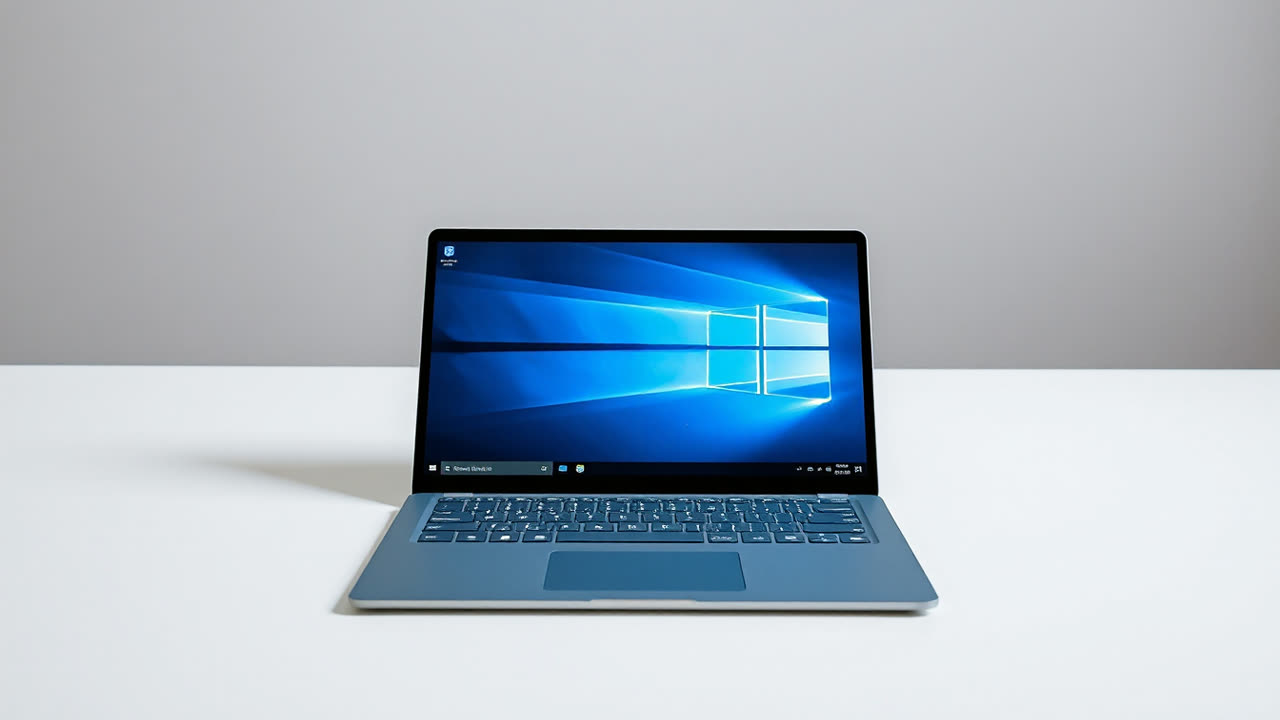
Microsoft has quietly omitted its much-touted Copilot+ PC branding from its latest generation of Surface laptops, including high-end AI-centric models, despite these devices demonstrably meeting or exceeding the stringent hardware requirements for the designation. This subtle but significant shift, confirmed by a Microsoft CVP, extends beyond Surface to other powerful AI machines like the Nvidia RTX Spark and the company's own Project Zenith, all of which are noticeably missing the prominent label that was aggressively pushed just months prior. The initial Copilot+ PC program, launched with considerable fanfare in May 2024, mandated a Neural Processing Unit (NPU) capable of at least 40 trillion operations per second (TOPS), a minimum of 16GB of RAM, and 256GB of storage, alongside pre-installed Windows 11 version 24H2. The absence of the branding on new hardware that fulfills these specifications signals a strategic re-evaluation by Microsoft, moving away from a potentially contentious marketing term that, for many, became synonymous with specific, often controversial, AI features.
This branding pivot carries substantial implications for both users and the broader PC industry. For consumers, the removal of the Copilot+ PC label could alleviate confusion and reduce the perceived pressure to adopt features they may not fully understand or desire. The initial rollout of Copilot+ PCs was marred by privacy concerns, particularly surrounding the "Recall" feature, which recorded user activity for AI-powered search. Microsoft initially planned to enable Recall by default for Copilot+ PCs, drawing sharp criticism from privacy advocates and leading to a delay and subsequent decision to make it an opt-in feature. By de-emphasizing the Copilot+ branding, Microsoft may be attempting to distance its new hardware from the negative connotations associated with some of these early AI implementations, allowing the underlying AI capabilities to stand on their own merit rather than being tied to a specific, potentially controversial, feature set. This could foster greater user trust and adoption of AI features if they are presented as optional, value-added utilities rather than mandatory components of a "premium" experience.
For the industry, Microsoft's retreat from a unified AI PC brand creates a more fragmented, yet potentially more flexible, landscape. When Copilot+ PCs were first introduced, they were positioned as a new category of Windows PCs "designed for AI from the inside out," with a strong emphasis on the NPU and exclusive AI experiences. This move was seen as an attempt to establish a clear differentiator in the crowded PC market and set a benchmark for AI hardware. Rivals like Intel and AMD, while developing their own NPU-equipped processors such as Lunar Lake and Strix Point, respectively, have not adopted a similarly rigid branding strategy, often integrating AI capabilities more broadly into their processor lines without a singular, overarching PC brand. Qualcomm, a key partner in the initial Copilot+ push with its Snapdragon X Elite and Plus processors, heavily leaned into the Copilot+ branding, positioning its chips as the backbone of this new category. Microsoft's quiet withdrawal now leaves these partners in an ambiguous position, potentially undermining the cohesive marketing message that was initially intended to drive adoption of next-generation AI hardware. The move could signal that the market is not yet ready for a monolithic "AI PC" category, or that the value proposition needs to be communicated differently.
Looking ahead, this strategic shift suggests that Microsoft is likely to adopt a more nuanced approach to AI integration in its hardware and software ecosystem. Instead of a blanket brand, the company may choose to highlight specific AI features individually, allowing users to discover and opt into capabilities like real-time translation, image generation, or advanced productivity tools without the baggage of a broad, and at times controversial, umbrella term. This could lead to a more modular and user-centric approach to AI, where the focus shifts from the "AI PC" as a distinct product category to individual AI-powered experiences that enhance the overall computing experience. Furthermore, it might allow hardware manufacturers greater flexibility in how they market their AI-capable devices, perhaps emphasizing raw NPU performance or specific AI use cases rather than adhering to a strict Microsoft-defined standard. The long-term success of AI in personal computing will ultimately hinge on delivering tangible, user-friendly benefits, and Microsoft's quiet rebranding suggests an acknowledgment that the path to widespread AI adoption may be through subtle integration and user choice, rather than a bold, all-encompassing marketing declaration. This recalibration could pave the way for a more organic evolution of AI PCs, where the technology becomes an integral, yet often invisible, part of our daily digital lives.