Microsoft's AI PC Vision: Windows 12 and New Surface Devices Set for October 7th Unveiling
Microsoft's announcement of an October 7th Windows and Surface event in San Francisco, the first major showcase in over two years, signals an imminent and profound shift in personal computing driven by AI, poised to redefine its ecosystem and challenge rivals in the burgeoning AI PC market.
✨ This content was summarized and interpreted by AI; it may contain errors — please verify accuracy with the original sources. Learn more
Listen to this story
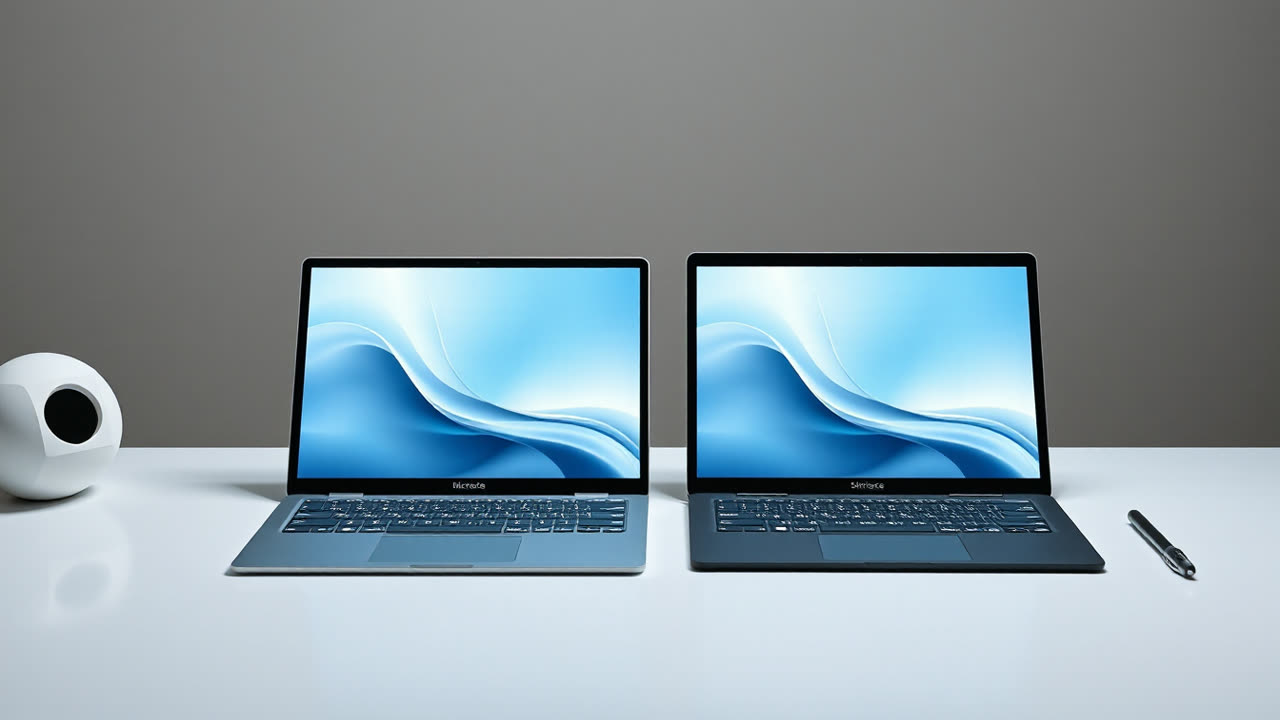
Microsoft's confirmation of a Windows and Surface event in San Francisco on October 7th, marking over two years since its last major Windows showcase, signals an imminent and profound shift in the personal computing landscape, likely spearheaded by the unveiling of Windows 12 and a new generation of AI-centric Surface hardware. This strategic convergence event, arriving amidst an intensifying AI arms race, is poised to redefine Microsoft's ecosystem, directly challenging rivals and dictating the pace of innovation in the burgeoning AI PC market.
The core of the October 7th revelation is widely anticipated to be Windows 12, a significant departure from the iterative updates of Windows 11, designed from the ground up to integrate artificial intelligence deeply into the operating system's fabric. Rumors suggest a redesigned user interface, potentially more adaptive and modular, with AI agents proactively assisting users across tasks, from content creation to system optimization. This move aims to make AI an ambient, indispensable layer rather than a mere application, potentially offering features like advanced semantic search, real-time language translation, and automated workflow suggestions directly within the OS shell. The "AI Explorer" concept, which has been circulating, could materialize as a core feature, offering a searchable timeline of user activity and context-aware assistance, leveraging powerful on-device neural processing units (NPUs). Such an overhaul is critical for Microsoft to solidify its position in the post-Windows 11 era, which, despite its visual refinements, has yet to deliver a truly paradigm-shifting experience.
Accompanying the software revolution will be a refreshed lineup of Surface devices, engineered to fully exploit Windows 12's AI capabilities. The Surface Pro 11 and Surface Laptop 7 are expected to headline the hardware announcements, likely featuring next-generation processors from both Intel (potentially Lunar Lake) and Qualcomm (an enhanced Snapdragon X Elite variant). These new chips are characterized by significantly more powerful integrated NPUs, crucial for handling the demanding on-device AI workloads Windows 12 is expected to introduce without relying solely on cloud processing. Industry benchmarks for upcoming NPUs suggest performance gains upwards of 50-100 TOPS (trillions of operations per second), a substantial leap necessary to power complex AI features locally, enhancing privacy, speed, and offline functionality. Beyond raw power, design refinements are probable, including thinner bezels, improved display technology, and potentially new haptic feedback systems, further blurring the lines between traditional PCs and specialized AI workstations. The Surface Go 4 or even a new Surface Studio iteration could also emerge, each tailored to specific user segments but unified by the underlying AI-first philosophy.
This combined hardware and software offensive carries immense strategic weight for Microsoft. For users, it promises a more intuitive, personalized, and efficient computing experience, where the OS anticipates needs and automates mundane tasks, freeing up cognitive load. The emphasis on local AI processing could also alleviate concerns about data privacy and internet dependency, making advanced AI features accessible even without a constant cloud connection. However, the success hinges on the practical utility of these AI features; if they are perceived as gimmicks or overly complex, adoption could be slow. The event also signals a concerted effort to drive a new PC upgrade cycle, a crucial endeavor for a market that has seen periods of stagnation. By presenting a compelling "AI PC" narrative, Microsoft aims to make current generation devices feel comparatively dated, spurring consumers and businesses to invest in new hardware.
In the broader industry, the October 7th event will intensify competition, particularly with Apple, which has consistently pushed the envelope with its M-series chips and deeply integrated macOS ecosystem. Apple's upcoming macOS releases are also expected to lean heavily into AI, and its silicon already boasts strong neural engine performance. Microsoft's move is a direct counter to Apple's integrated hardware-software strategy, aiming to prove that the Windows ecosystem, with its vast third-party hardware support, can also deliver a seamless, high-performance AI experience. Furthermore, it will pressure other PC manufacturers to rapidly adopt and innovate with NPU-equipped processors and integrate Windows 12's new features effectively. The event will also be a litmus test for the readiness of the developer community to embrace new AI APIs and build applications that leverage these capabilities, which is crucial for the long-term viability of the AI PC vision.
Looking ahead, the October 7th event is not merely an announcement but a foundational statement about Microsoft's vision for the next decade of computing. If successful, Windows 12 and the new Surface lineup could establish Microsoft as the unequivocal leader in the AI PC era, driving significant market share gains and influencing design philosophies across the industry. The challenge lies in execution: delivering on the promise of truly transformative AI features that are both powerful and user-friendly, while ensuring broad hardware compatibility and robust security. Microsoft's long-term strategy appears to be one of pervasive AI integration, making computing more proactive and less reactive. The success of this ambitious gambit on October 7th will largely determine the trajectory of personal computing for years to come, shaping how we interact with technology and how technology, in turn, interacts with us.