Microsoft's Xbox Unveils Groundbreaking Disc-to-Digital Conversion Feature
Xbox introduces a highly anticipated disc-to-digital conversion feature, allowing players to transform physical game libraries into digital entitlements accessible via Play Anywhere and Cloud Gaming for a nominal fee.
✨ This content was summarized and interpreted by AI; it may contain errors — please verify accuracy with the original sources. Learn more
Listen to this story
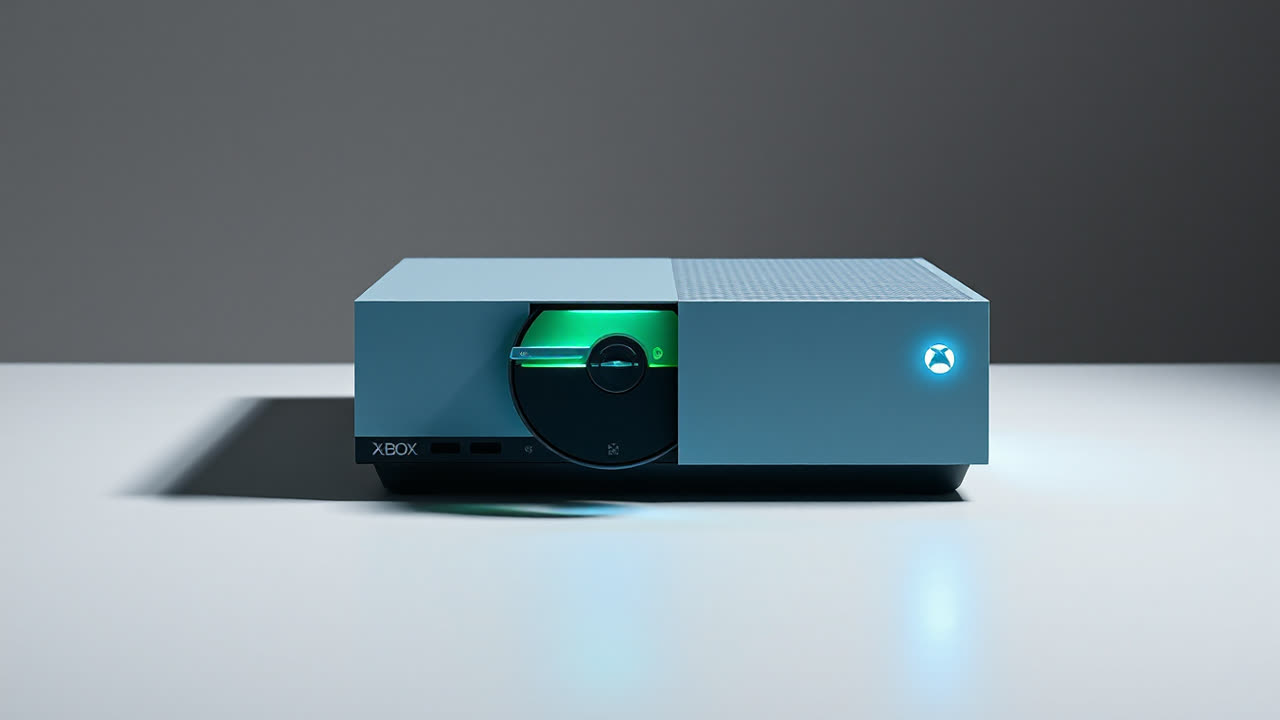
Microsoft's Xbox division has officially unveiled a groundbreaking disc-to-digital conversion feature, allowing players to transform their physical game libraries into digital entitlements accessible via Xbox's Play Anywhere and Cloud Gaming services. This initiative, long rumored and highly anticipated, marks a significant strategic pivot, offering a potential lifeline to physical media owners navigating an increasingly digital-first gaming landscape. Players will be able to insert an eligible game disc into their Xbox console, which will then verify ownership and grant a digital license for a nominal fee, effectively severing the reliance on the physical disc for future play. The program is expected to roll out in phases, initially supporting a curated list of Xbox One and select Xbox Series X|S titles, with plans for expansion based on publisher participation and user feedback.
This feature fundamentally shifts the value proposition for consumers, bridging the gap between the perceived ownership of physical media and the convenience of digital access. For users with extensive physical game collections, it offers a pathway to future-proofing their libraries, ensuring continued access even as disc drives become less common or if they transition to an all-digital console like the Xbox Series S. The integration with Play Anywhere means that a converted title can be played across Xbox consoles and Windows PCs, while Cloud Gaming support extends accessibility to mobile devices and web browsers, dramatically expanding where and how players can engage with their games without the need to carry discs. This not only enhances user convenience but also potentially extends the lifespan of older titles, making them more accessible to a new generation of players who may not own disc-compatible hardware.
From an industry perspective, this move solidifies Xbox's commitment to a hybrid ecosystem, acknowledging the lingering demand for physical ownership while aggressively pushing its digital platforms. It directly addresses a key pain point for consumers wary of fully committing to digital-only libraries, which lack resale value and are tied to a single platform. By offering a conversion path, Xbox attempts to mitigate this concern, potentially encouraging more players to embrace the broader Xbox ecosystem, including Game Pass and its cloud streaming capabilities. The nominal conversion fee, while not yet fully detailed for all regions, is expected to cover licensing costs and potentially incentivize publishers to participate, creating a new revenue stream from older physical sales. This strategy could also serve as a competitive differentiator against rivals like Sony, whose PlayStation platform currently offers no direct equivalent for converting physical discs to digital licenses, forcing users to repurchase digital versions or maintain disc-compatible hardware.
The implementation, however, presents several complexities and potential points of friction. Publisher buy-in is paramount; without widespread support from third-party developers, the feature's utility will be significantly curtailed. The initial rollout's limited game list suggests this will be an ongoing negotiation, with publishers weighing potential new revenue against concerns about cannibalizing digital sales or impacting the used game market. Furthermore, the "nominal fee" structure will be critical; if it's perceived as too high, user adoption could falter. There are also questions regarding regional availability, account portability, and the long-term commitment to maintaining the conversion service. While the feature aims to future-proof physical libraries, its success hinges on consistent support and a transparent, user-friendly process.
Historically, the gaming industry has grappled with the transition from physical to digital. PC gaming largely completed this shift years ago, with platforms like Steam offering robust digital libraries and often providing digital codes even with physical purchases. Console gaming, however, has maintained a stronger attachment to physical media, partly due to collector culture and the ability to resell games. Xbox itself previously explored a more restrictive digital-only future with the initial Xbox One reveal, which met with significant backlash over DRM policies. This new disc-to-digital feature represents a more user-centric approach, learning from past missteps and offering a bridge rather than a forced migration. It contrasts sharply with Nintendo, which has largely remained steadfast in its support for physical cartridges, albeit with a growing eShop presence.
Looking ahead, this initiative could reshape consumer purchasing habits and influence the design of future console hardware. Should the feature prove popular, it might accelerate the decline of disc drives in consoles, making all-digital machines the de facto standard while still offering a pathway for legacy physical collections. It also sets a precedent that could pressure other console manufacturers to consider similar solutions, fostering a more interconnected and flexible gaming ecosystem. The long-term success will depend on Xbox's ability to secure broad publisher participation and maintain a reasonable pricing model. Ultimately, this disc-to-digital feature is more than just a convenience; it's a strategic move by Xbox to harmonize the past and future of gaming, offering a flexible solution that acknowledges consumer choice while pushing towards an increasingly digital, cloud-powered future.