Microsoft Transforms PC Gaming with Deep Xbox Integration
Microsoft's aggressive integration of its Xbox ecosystem into Windows has culminated in a refined, console-like PC gaming experience, fundamentally transforming how users interact with their PC games via controller.
✨ This content was summarized and interpreted by AI; it may contain errors — please verify accuracy with the original sources. Learn more
Listen to this story
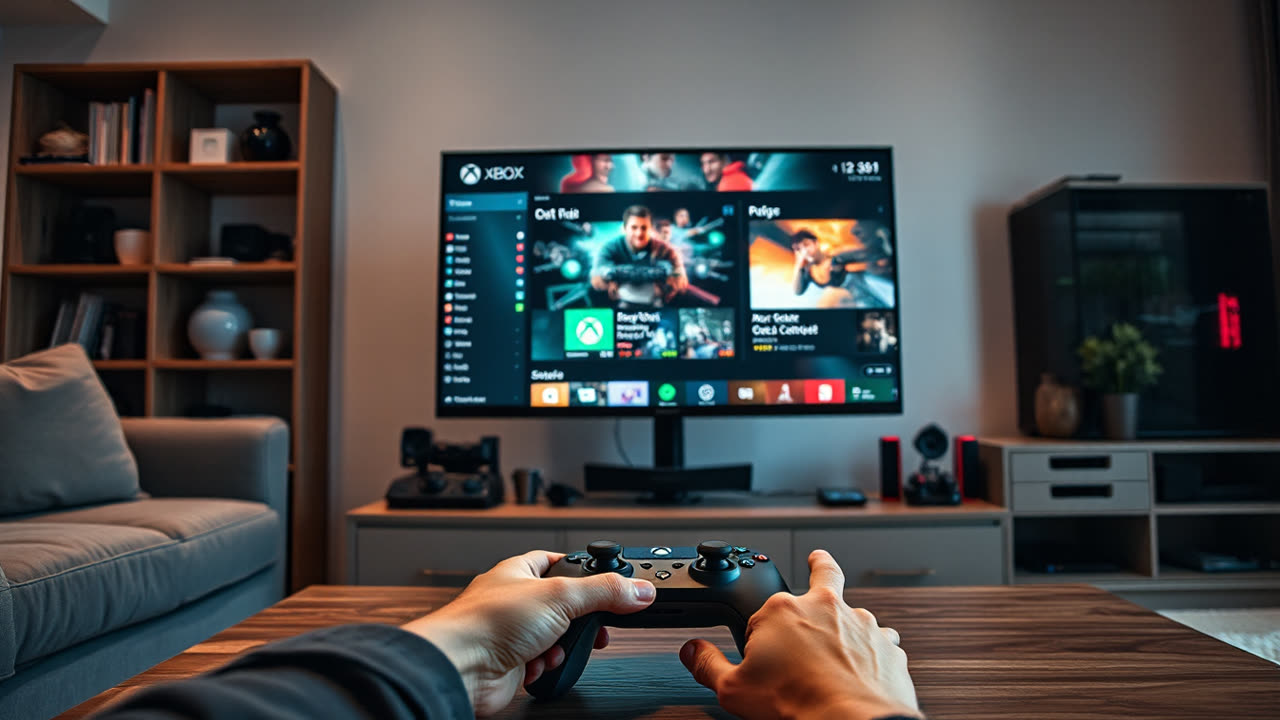
Microsoft's aggressive integration of its Xbox ecosystem into Windows has culminated in a refined, console-like PC gaming experience, epitomized not by a singular "Xbox Mode" as once envisioned, but by the robust, evolving Xbox app and Game Bar, fundamentally transforming how users interact with their PC games via controller. This strategic pivot, moving beyond a dedicated "Big Picture Mode" equivalent to a holistic system-level integration, provides a seamless gateway to PC Game Pass, Xbox Cloud Gaming, and personal game libraries, blurring the lines between console and desktop gaming. The Xbox app, now a central hub, presents a controller-friendly interface that aggregates titles from various sources, including Game Pass and owned digital licenses, into a unified, navigable dashboard. This stands in stark contrast to earlier, more rudimentary attempts at a dedicated "living room" PC interface, instead opting for a pervasive integration that feels native to the Windows operating system.
The significance of this deep integration extends far beyond mere convenience for individual gamers; it represents a foundational shift in Microsoft's overarching gaming strategy and its ambition to dominate the multi-platform gaming landscape. For users, the primary benefit is unparalleled accessibility and a streamlined experience. Launching games, managing installations, chatting with friends, and accessing cloud saves are all handled within a unified, controller-optimized environment, eliminating the need to navigate the traditional desktop interface with a mouse and keyboard. This is particularly impactful for users who prefer to game from their couch on a large screen, effectively turning their PC into a powerful, versatile console that also retains all the functionalities of a personal computer. Furthermore, the inclusion of Xbox Cloud Gaming directly within the app means Game Pass Ultimate subscribers can instantly stream hundreds of titles without local installation, further enhancing the console-like immediacy. The Game Bar, accessible via the Windows key + G shortcut, complements this by offering quick access to performance monitoring, recording tools, and social features mid-game, maintaining the immersive experience without fully exiting the game.
From an industry perspective, Microsoft's approach directly challenges the established PC gaming distribution models and console paradigms. Valve's Steam Big Picture Mode, while a pioneer in controller-centric PC interfaces, largely remains an overlay for its own storefront. Microsoft's strategy, however, leverages the native operating system, positioning the Xbox app not just as a store, but as *the* primary gaming portal for Windows users, deeply integrated with the OS and Microsoft account ecosystem. This creates a compelling competitive advantage, especially when coupled with the value proposition of PC Game Pass, which offers a vast library of first-party titles on day one, including major releases like *Starfield* and *Forza Motorsport*, alongside a rotating selection of third-party games. This subscription model fundamentally alters consumer expectations regarding game ownership and access, putting pressure on rivals like Steam and Epic Games Store to innovate beyond traditional à la carte purchasing. The seamless integration of Xbox Play Anywhere titles, allowing a single digital purchase to grant access on both Xbox console and Windows PC, further solidifies this cross-platform ecosystem.
Historically, the concept of a "console-like" experience on PC has been fragmented, often requiring third-party launchers, custom front-ends, or significant user configuration. Microsoft's current offerings represent the culmination of years of iterative development, moving from the often-criticized Games for Windows Live platform to a genuinely user-friendly and powerful ecosystem. The initial "Xbox Mode" concept from over a decade ago was a nascent idea, limited in scope and integration. Today's reality is a much more mature and comprehensive solution, benefiting from improvements in hardware, network infrastructure, and Microsoft's renewed commitment to PC gaming. The company's acquisition strategy, bringing Bethesda and Activision Blizzard under the Xbox umbrella, also feeds directly into this integrated PC experience, ensuring a steady stream of high-profile titles for Game Pass and the Xbox app.
Looking ahead, the trajectory suggests an even deeper entanglement of Xbox and Windows. Future iterations of Windows are likely to feature even more granular gaming optimizations, potentially leveraging AI for performance enhancements and further streamlining the user interface. We can anticipate continued expansion of Xbox Cloud Gaming capabilities, perhaps with higher fidelity streaming options and broader device support, pushing the boundaries of what's considered "local" gaming. The burgeoning metaverse and AR/VR technologies also present a fertile ground for Microsoft to extend its integrated gaming vision, potentially offering controller-driven, immersive experiences directly through the Xbox app on Windows. The ongoing competition with Steam's Proton compatibility layer for Linux-based handhelds like the Steam Deck also underscores Microsoft's need to maintain a superior, native Windows gaming experience, ensuring the PC remains the ultimate versatile gaming machine. As Microsoft continues to refine its software and expand its content library, the notion of a separate "Xbox mode" will likely remain an outdated concept, superseded by a pervasive, intelligent, and deeply integrated Xbox gaming experience that defines the modern Windows PC.