MSI MEG CoreLiquid E15 360 AIO Review: Bold and stunning, with market-leading performance
MSI’s MEG CoreLiquid E15 360 AIO is a luxury cooling product, with a stunning 6.7-inch screen and industry-leading thermal performance.
✨ This content was summarized and interpreted by AI; it may contain errors — please verify accuracy with the original sources. Learn more
Listen to this story
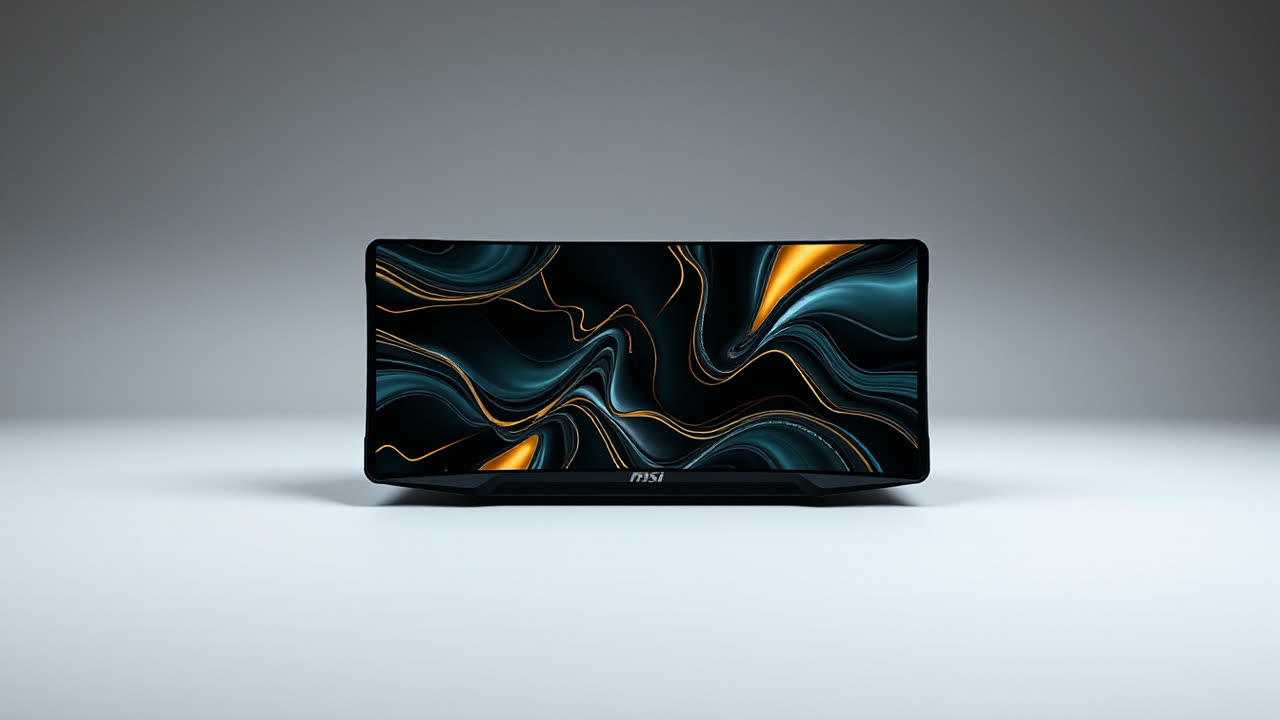
MSI's MEG CoreLiquid E15 360 AIO cooler has redefined the premium segment of PC thermal solutions, arriving with an eye-watering MSRP of $399.99 and a striking 6.67-inch curved 2K AMOLED display that immediately positions it as a centerpiece for any high-end build. This isn't merely a functional component; it is a statement, blending a luxurious black-and-gold aesthetic with genuinely market-leading thermal performance, as evidenced by its ability to maintain stable temperatures even under extreme loads. For instance, tests show the E15 360 effectively cooled an AMD Ryzen 9 9950X3D2 Dual Edition at a 200W TDP to 74°C and an Intel Core Ultra 7 270K Plus at 125W TDP to 76.5°C under Cinebench R23 and AIDA64 FPU stress tests.
The significance of the CoreLiquid E15 360 extends beyond raw cooling prowess. Its standout feature, the 2240x1080 resolution AMOLED screen, boasts a unique 110-degree curve, designed to offer superior visibility, especially in modern panoramic cases, and even supports "naked-eye 3D" effects. This display, backed by 16GB of integrated memory, allows for extensive customization, showing real-time system metrics, custom media, or animated GIFs, transforming the humble CPU cooler into a dynamic visual element. This trend of integrating sophisticated displays into AIOs reflects a broader industry shift where PC aesthetics and personalization are as crucial as raw performance, catering to enthusiast gamers, modders, and content creators who want their builds to stand out. While some might argue such a lavish display is superfluous, it undeniably elevates the "wow" factor, making the PC itself a showcase.
MSI has also engineered several practical innovations into this flagship cooler. The EZ Conn single-cable design dramatically simplifies installation and cable management, a welcome relief in increasingly complex builds. The thicker 30mm aluminum radiator, combined with three 120mm ARGB Gen2 PWM fans featuring "Laminar Focus Technology" where the middle fan spins in reverse to reduce turbulence and noise, contributes to both excellent thermal dissipation and a quieter operation. This attention to detail, from the premium aluminum housing to the magnetic pogo-pin screen attachment, underscores MSI's commitment to a high-end user experience, offering a six-year warranty on cooling components and two years on the display.
In comparison to its rivals, the CoreLiquid E15 360 sits at the apex of the luxury AIO market. While competitors like certain Lian Li models offer similar display functionality for around $300, they often fall short on the distinct black-and-gold aesthetic and overall thermal performance. Even more budget-friendly options, such as the Thermalright Levita Vision 360 UB ARGB, provide an angled AMOLED screen for under $250, offering better value for those prioritizing the display feature without the full premium package. However, the MSI unit differentiates itself through its superior build quality, innovative cable management, and the unique 110-degree curved AMOLED panel, providing an immersive experience that many 2.4-inch or 3.5-inch IPS LCD screens on other AIOs cannot match. It's important to note that while high-end air coolers can effectively manage modern CPUs up to 200W, AIOs, particularly 360mm radiators like the E15 360, offer superior thermal headroom for overclocked or extremely demanding processors, along with a much cleaner aesthetic around the CPU socket.
Looking ahead, the trajectory of the AIO market suggests a continued emphasis on integration and visual sophistication. The global AIO liquid cooler market is projected to reach $959 million by 2031, growing at a CAGR of 9.2%, driven by the increasing thermal demands of high-performance computing, gaming, and AI workloads. As CPUs become even more power-hungry, requiring robust cooling solutions, the integration of larger, more capable screens with dedicated memory hints at a future where AIOs act as miniature computing platforms within the PC chassis. We can anticipate further refinements in display technology, potentially more dynamic and interactive content, and deeper integration with system software. MSI's MEG CoreLiquid E15 360 is not just a high-performance cooler; it’s a harbinger of a future where PC hardware is as much about personalized expression and digital artistry as it is about raw processing power.