MSI Reintroduces DDR4 Memory in New Katana 15 HX C14 Gaming Laptop Amidst Global DRAM Crisis
MSI has strategically launched the Katana 15 HX C14 gaming laptop with DDR4 memory options, a bold move that directly counters the escalating global DRAM crisis and offers a crucial cost-effective solution for high-performance gaming, potentially reshaping the value segment of the market.
✨ This content was summarized and interpreted by AI; it may contain errors — please verify accuracy with the original sources. Learn more
Listen to this story
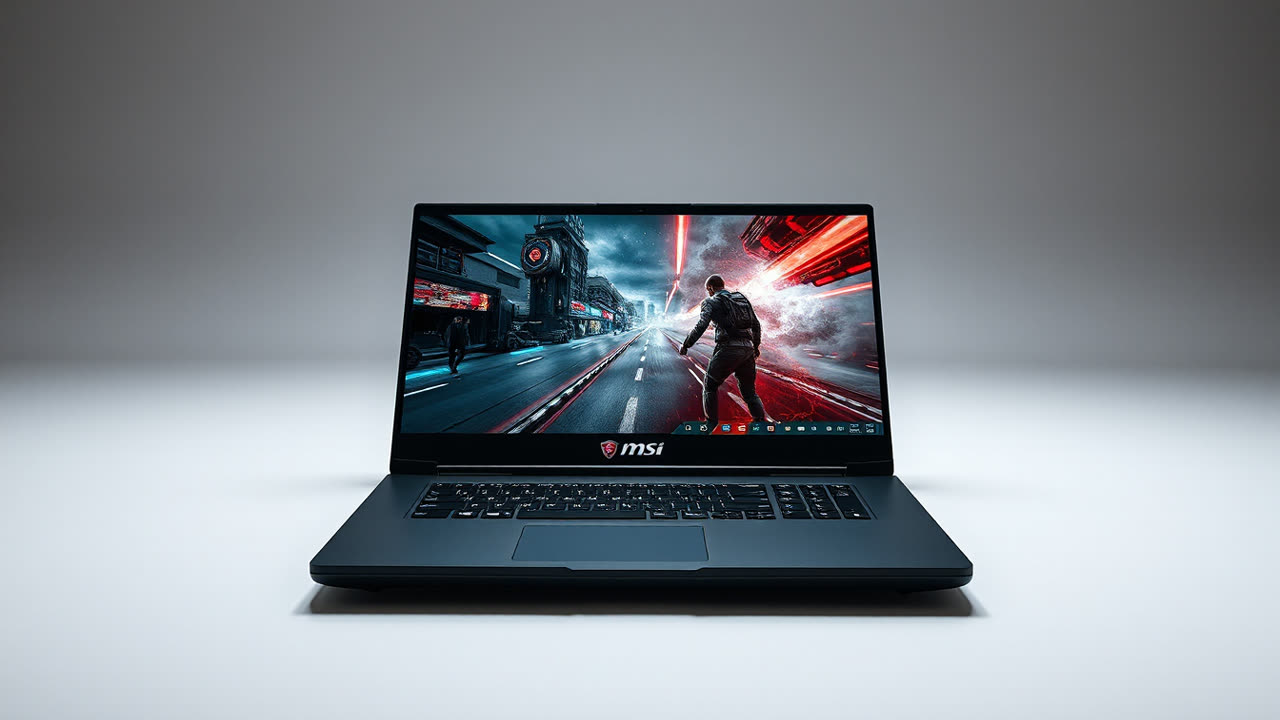
MSI has introduced the Katana 15 HX C14, a new gaming laptop that notably reintroduces DDR4 memory options alongside the latest Intel Core i9-14900HX processor and NVIDIA GeForce RTX 5070 Laptop GPU, amidst a global DRAM crisis that has seen memory prices skyrocket. This strategic move by MSI directly addresses the escalating costs of components, particularly memory, which have significantly impacted the affordability of gaming laptops. The Katana 15 HX C14, launched in August 2026, is designed to offer a more accessible entry point into high-performance gaming for value-conscious consumers and students.
The decision to offer DDR4-3200 memory configurations is particularly impactful given the current state of the DRAM market. J.P. Morgan Global Research estimates that DRAM prices will have surged over 400% from early 2024 to the end of 2026, driven largely by the immense demand from AI data centers and hyperscalers. This unprecedented increase has led to a significant price disparity between DDR4 and DDR5. While a 32GB (2x16GB) DDR4-3200 SO-DIMM kit currently costs around $200, a comparable DDR5-6000 kit can exceed $400. Some analyses even suggest that 32GB DDR5-6000 kits that sold for roughly $80 in mid-2025 now list between $400 and $620, while 32GB DDR4-3200 kits have climbed from $70 to $250 in the same period. By providing a DDR4 option, MSI enables consumers to potentially save a substantial amount on the overall laptop cost, making high-end hardware more attainable during a period of "chipflation".
This approach by MSI is unusual for a newly released gaming laptop featuring such high-end components, as most new platforms have transitioned exclusively to DDR5. The Intel Core i9-14900HX processor, a 24-core Raptor Lake Refresh chip, uniquely supports both DDR4 and DDR5, providing MSI the flexibility to implement this dual-memory strategy without requiring a different CPU platform. The Katana 15 HX C14 can be configured with up to an NVIDIA GeForce RTX 5070 Laptop GPU with 8GB of GDDR7 memory, supporting advanced AI features, DLSS 4.5, and real-time ray tracing, and boasts a combined CPU and GPU power budget of up to 170W, managed by MSI's Cooler Boost thermal system. This combination of a powerful CPU and a next-generation GPU with a more cost-effective memory solution presents a compelling value proposition.
While DDR5 generally offers higher transfer speeds and improved memory bandwidth, especially in multi-threaded workloads, its performance advantage over DDR4 in gaming can vary and is often less pronounced at higher resolutions or with larger L3 caches. For many gaming scenarios, particularly those GPU-bound, the real-world performance difference might not justify the significantly higher cost of DDR5 memory. The Katana 15 HX C14's specifications, including a 15.6-inch QHD (2560x1440) 165Hz display with 100% DCI-P3 coverage, suggest a focus on delivering a premium visual experience where the GPU often plays a more critical role than raw memory speed. The laptop also features a redesigned 2.1kg chassis, making it 12.5% lighter and 10.2% thinner than its predecessor, enhancing its portability.
The broader industry context reveals a tightening DRAM market that is projected to continue through 2027, with supply deficits for DRAM expected to peak at 5.9% in 2027. Major manufacturers like Samsung, SK Hynix, and Micron are prioritizing higher-margin High-Bandwidth Memory (HBM) for AI infrastructure, further constraining the supply of conventional DRAM. This shift, coupled with an early end-of-life for some DDR4 and LPDDR4/X products, has led to sudden demand spikes and sharp price increases for legacy memory as OEMs secure inventory. The global DRAM market, valued at USD 128.36 billion in 2026, is projected to reach USD 223.7 billion by 2034, growing at a CAGR of 7.20%. This sustained high-price environment suggests that MSI's strategy to leverage DDR4 for cost efficiency will likely remain relevant for the foreseeable future.
Looking ahead, MSI's move with the Katana 15 HX C14 could prompt other laptop manufacturers to reconsider their memory strategies, especially in the mid-range and value-oriented gaming segments. As memory prices remain elevated and the demand for AI-optimized memory continues to absorb significant production capacity, offering DDR4 alongside DDR5 provides a crucial competitive advantage by enabling more aggressive pricing. This could lead to a bifurcation in the gaming laptop market, with premium models exclusively featuring DDR5 and a growing segment of performance-oriented yet budget-conscious laptops adopting DDR4 to manage costs. However, the long-term viability of DDR4 in new systems will depend on the continued availability and pricing of DDR4 chips, which are also experiencing supply constraints as manufacturers shift focus. For now, MSI's Katana 15 HX C14 represents a pragmatic response to an challenging market, offering a lifeline to gamers seeking powerful hardware without succumbing entirely to the escalating costs of next-generation components.