MV Yampu Cuts Bulk Freight Emissions by Half with Electric Self-Loading System
Aasen Shipping and South32's new 20,000 DWT bulk carrier pioneers maritime decarbonization with an integrated electric cargo handling system, drastically reducing port emissions and operational reliance on fossil fuels.
✨ This content was summarized and interpreted by AI; it may contain errors — please verify accuracy with the original sources. Learn more
Listen to this story
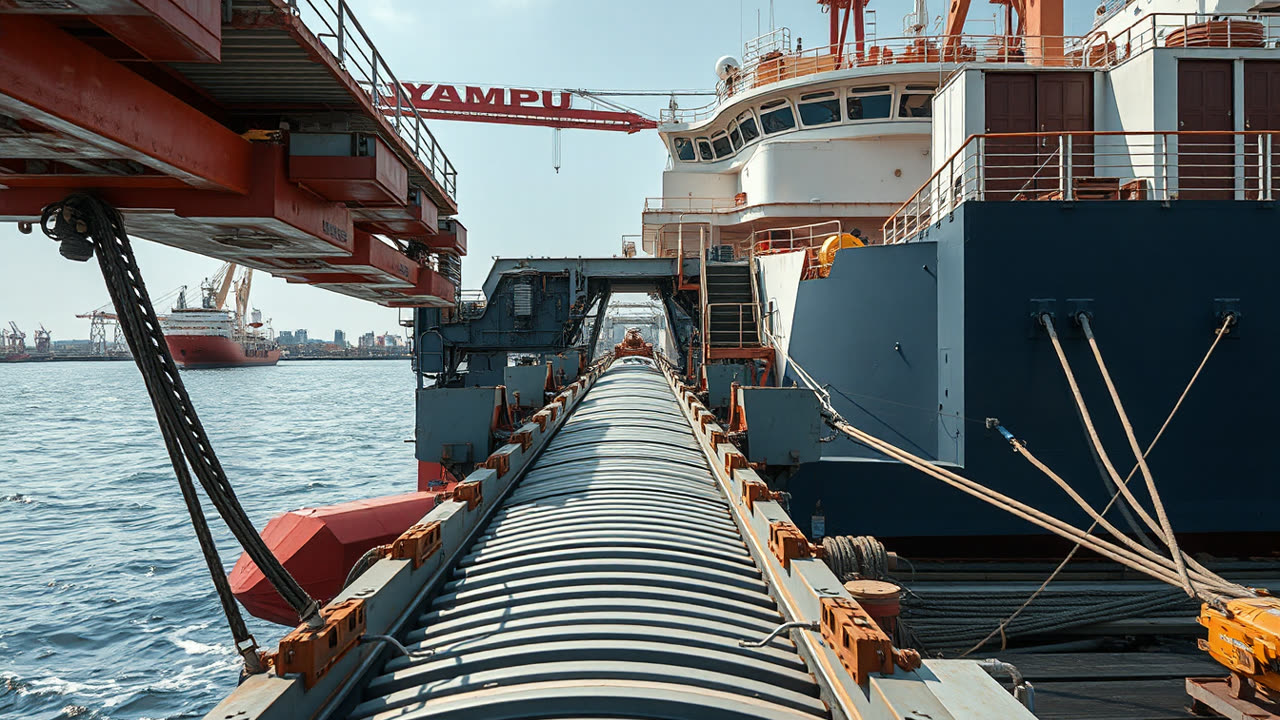
Cutting bulk freight emissions by half, the new MV Yampu represents a monumental leap in maritime decarbonization, directly tackling the industry's most stubborn challenges in port operations and cargo handling. This 20,000 DWT (deadweight tonnage) self-loading bulk carrier, launched by the Norwegian shipping company Aasen Shipping in collaboration with the Australian mining giant South32, leverages a sophisticated electric-powered self-loading and unloading system that dramatically reduces reliance on fossil fuel-intensive port infrastructure and minimizes idle time. The vessel's innovative design and operational model are poised to redefine efficiency and environmental stewardship in the movement of commodities like bauxite, coal, and sugar, which collectively account for billions of tons of global trade annually.
The core of the MV Yampu's breakthrough lies in its integrated electrical loading and unloading system. Unlike conventional bulk carriers that depend on energy-intensive shore-based cranes or inefficient ship-mounted diesel-hydraulic systems, the Yampu employs an onboard electric conveyor belt system capable of handling up to 3,000 tons of cargo per hour. This system is powered by the vessel’s own electrical grid, which can be charged by renewable energy sources when in port or optimized for efficiency at sea. The significant emission reduction comes from several factors: eliminating the need for separate, diesel-powered shore equipment, drastically cutting down on the vessel's port stay duration (often a major source of emissions from auxiliary engines), and reducing dust pollution associated with traditional grab-and-hoist methods. By optimizing the entire cargo cycle, from arrival to departure, the MV Yampu offers a holistic approach to environmental impact reduction that extends beyond just propulsion.
This innovation matters profoundly for an industry under immense pressure to decarbonize. International Maritime Organization (IMO) regulations, such as the Carbon Intensity Indicator (CII) and Energy Efficiency Existing Ship Index (EEXI), are increasingly stringent, pushing shipping companies towards verifiable emission reductions. The MV Yampu provides a tangible solution, not just for operational efficiency but for compliance, offering Aasen Shipping and South32 a distinct competitive edge. For bulk cargo users, particularly those dealing with high volumes like mining companies, the technology translates into faster turnaround times and potentially lower freight costs due to reduced port charges and optimized scheduling. This efficiency gain also mitigates supply chain vulnerabilities, as less time spent in port means less exposure to congestion and delays. Moreover, the reduced dust and noise pollution during loading and unloading operations significantly improves environmental conditions in port communities, addressing a long-standing public health and ecological concern.
Historically, bulk cargo handling has been a bottleneck for decarbonization. While self-unloading vessels have existed for decades, often utilizing internal conveyors or excavators, many still rely on diesel power for these systems, and few have achieved such a dramatic, independently verified reduction in *total freight emissions* across the entire cargo lifecycle. Traditional bulk carriers, which represent the vast majority of the global fleet, are entirely reliant on port infrastructure for loading and unloading. This often involves large, diesel-powered cranes or grabbers that consume significant fuel, generate substantial emissions, and create considerable noise and dust. The MV Yampu's integrated electric system not only bypasses this reliance but also sets a new benchmark for what "self-loading" truly means in terms of environmental performance. Compared to a standard bulk carrier of similar size, the Yampu's operational profile is a paradigm shift, effectively internalizing and electrifying a process previously externalized and fossil-fueled.
Looking ahead, the MV Yampu’s success is likely to catalyze broader adoption and further innovation. The initial deployment on routes carrying bauxite for South32 will provide critical data on long-term performance and cost-effectiveness. If these prove compelling, we can expect other major mining and commodity companies to explore similar purpose-built vessels or retrofitting existing fleets with comparable electric self-loading systems. The initial capital expenditure for such advanced vessels might be higher, but the long-term operational savings from reduced port time, lower fuel consumption, and enhanced environmental compliance will likely justify the investment. Furthermore, this trend could spur ports themselves to invest more heavily in shore power infrastructure to facilitate even greener operations for these electric-intensive vessels, creating a positive feedback loop for decarbonization. The MV Yampu is not just a new ship; it is a proof-of-concept for a more sustainable, efficient, and integrated future for bulk shipping, signaling a crucial step towards meeting the ambitious net-zero targets of the global maritime industry.