Neurable One: Brain-Scanning Headphones to Optimize Focus and Recovery
The company claims its new device, the Neurable One, can keep you in the zone, calculate the best time to take a break, and tell you when your 'brain battery' needs a recharge.
✨ This content was summarized and interpreted by AI; it may contain errors — please verify accuracy with the original sources. Learn more
Listen to this story
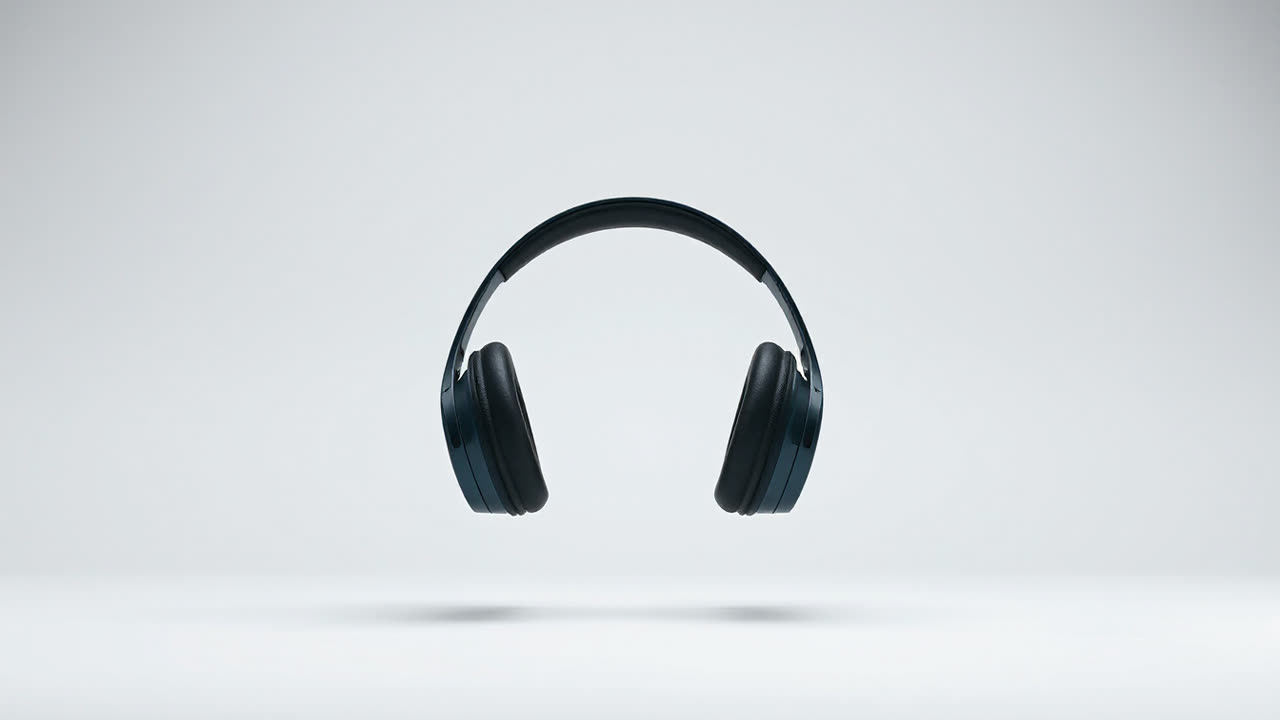
Neurable’s new brain-scanning headphones, the Neurable One, represent a significant leap in consumer-grade neurotechnology, promising to actively fine-tune user focus, optimize break times, and monitor overall "brain battery" levels. This device, building on Neurable's prior work with Master & Dynamic on the MW75 Neuro and MW75 Neuro LT, integrates advanced electroencephalography (EEG) sensors directly into headphone earcups, moving brain-computer interface (BCI) technology from specialized labs into everyday wearables. The company, founded in 2015, has spent over a decade refining its proprietary AI and signal processing to interpret brainwave data, aiming to make neurotechnology widely accessible.
The core innovation lies in the Neurable One's ability to passively track brain activity in real-time, translating complex brain signals into actionable insights through a companion iOS and Android app. These insights include a "Cognitive Snapshot" to gauge mental readiness, "Mental Recovery" briefings on brain rest, and "Cognitive Strain" tracking to help users plan restorative breaks. The device leverages 12-channel soft fabric EEG sensors, capable of delivering research-grade data quality, and advanced AI algorithms trained on a vast dataset of real-world EEG to distinguish signal from noise and account for individual variations. This allows it to detect when focus is peaking, when mental fatigue is setting in, and when it’s time for recovery, providing personalized feedback.
This development carries substantial implications for both users and the broader tech industry. For users, the promise of enhanced productivity, improved mental well-being, and proactive burnout management is compelling in an increasingly distracting world. The ability to understand one's natural cognitive rhythms and optimize work habits could revolutionize how individuals approach daily tasks, potentially leading to better focus, reduced stress, and even a long-term view of cognitive aging through metrics like "Brain Age." However, this intimate access to brain data raises critical privacy and ethical questions. As BCI devices gather highly sensitive information about thoughts, emotional states, and mental health, the secure transmission, storage, and responsible use of this data become paramount. The potential for misuse, unauthorized access, or even manipulation of such deeply personal information demands robust regulatory frameworks and transparent company policies, especially given Neurable's reported $1.2 million research partnership with the Pentagon to study cognitive fitness in Air Force service members.
In the competitive landscape of neurofeedback and brain-training devices, Neurable One enters a market that has matured significantly. Rivals like Muse S Athena, FRENZ Brainband, Sens.ai, Neurosity Crown, and Enophone already offer various forms of EEG and fNIRS (functional near-infrared spectroscopy) based wearables aimed at meditation, sleep optimization, attention training, and productivity. While devices like Muse S Athena combine EEG and fNIRS for a comprehensive view of brain function, Neurable focuses solely on EEG, but distinguishes itself with its deep integration into a familiar headphone form factor and its emphasis on real-world data training for its AI. The MW75 Neuro, launched in partnership with Master & Dynamic in September 2024, retailed for approximately $700, with a lighter, more accessible MW75 Neuro LT following in September 2025 at $499. The Neurable One represents the latest iteration, aiming to build on this foundation. Unlike some research-focused devices that require cumbersome setups, Neurable's dry sensors and intuitive software aim for seamless integration into daily life, addressing a key barrier to broader adoption of EEG technology.
Looking ahead, the trajectory of Neurable and the broader consumer neurotech market is poised for rapid evolution. The global BCI market, valued at approximately $3.32 billion in 2026, is projected to reach $7.42 billion by 2032, driven by advancements in neural interfaces and AI. Neurable's shift towards a licensing platform model, enabling other OEMs to integrate its AI-powered brain-sensing technology into various devices like headphones, hats, and glasses, indicates a strategic move to scale its impact beyond its own branded products. This approach could accelerate the ubiquity of BCI technology, making "brain-reading" capabilities as common as smartphones. Future applications are envisioned in wellness, clinical diagnostics, and even gaming, as evidenced by Neurable's prototype gaming headset developed with HyperX. The primary challenges will be the continuous scientific validation of claimed benefits, navigating the complex ethical landscape of brain data, and ensuring affordability and accessibility without sacrificing data quality or user trust. As UNESCO moves to finalize ethical principles for neurotechnologies, regulatory oversight for non-medical consumer devices will likely increase, necessitating proactive engagement from companies like Neurable to ensure responsible innovation. The ultimate success of the Neurable One and its successors will hinge not just on technological prowess, but on its ability to demonstrate tangible, verifiable benefits while safeguarding the profound privacy inherent in our brain activity.