New Portal Helps Consumers Claim Up To $175 For Unwanted Windows 11 Licenses
Italian Linux Society and Free Software Foundation Europe launch Refund4Freedom, challenging long-standing OS bundling practices.
✨ This content was summarized and interpreted by AI; it may contain errors — please verify accuracy with the original sources. Learn more
Listen to this story
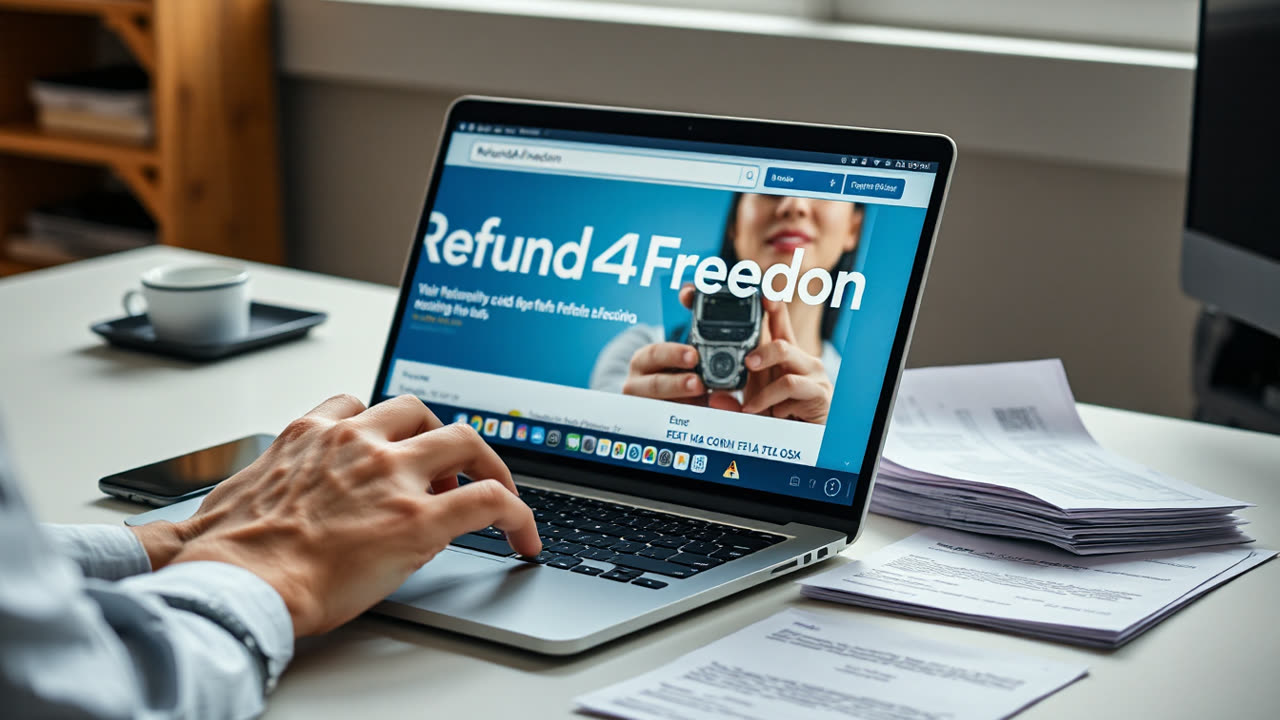
A new portal, Refund4Freedom, launched by the Italian Linux Society and the Free Software Foundation Europe, offers consumers a streamlined process to claim up to $175 for pre-installed Windows 11 licenses they do not wish to use, directly challenging the long-standing industry practice of unwanted operating system bundling. This initiative, highlighted by the critical warning against wiping storage before initiating a claim, provides legal forms and detailed instructions, aiming to empower users to reclaim costs associated with software they may never activate or intend to replace with an alternative operating system like Linux. The maximum refund amount of $175 represents a significant portion of a retail Windows 11 license, which typically ranges from $139 for the Home edition to $199 for Pro, underscoring the substantial value embedded in these often-unwanted software packages.
This development carries considerable weight, fundamentally questioning the economic model underpinning much of the PC hardware industry. For consumers, Refund4Freedom offers a tangible pathway to financial recourse, addressing a persistent grievance: paying for software they neither requested nor desired. This directly impacts user choice, potentially reducing the financial barrier for individuals wishing to transition to open-source alternatives without incurring redundant costs. The "why it matters" extends beyond a simple refund; it's about consumer sovereignty in the digital age. By providing legal avenues, the portal legitimizes the user's right to reject bundled software, fostering a more equitable market where hardware purchases are decoupled from mandatory OS acquisition.
From an industry perspective, the initiative presents a complex challenge to original equipment manufacturers (OEMs) and Microsoft. OEMs have historically relied on pre-installed operating systems as a revenue stream and a means to simplify the user experience, often claiming that bundling is necessary to offer competitive hardware prices. However, the Refund4Freedom movement, building on decades of advocacy, directly disputes this premise. Should this initiative gain widespread traction across Europe and potentially beyond, it could force a re-evaluation of OEM pricing strategies and supply chain agreements with Microsoft. If a significant percentage of buyers successfully claim refunds, OEMs might face pressure to offer "barebones" hardware without an OS, or at least with a clearly delineated and optional OS cost. This could fundamentally alter how hardware is marketed and sold, potentially leading to more transparent pricing and greater consumer choice at the point of purchase.
The background to this movement is rooted in a long history of legal battles and consumer advocacy against software bundling, particularly in Europe. Countries like France have seen significant legal precedents, with courts ruling in favor of consumers seeking refunds for pre-installed software they did not want. These rulings have often hinged on the argument that bundling constitutes an unfair commercial practice, as it denies consumers the choice to purchase hardware without the software, effectively forcing them to pay for something they may not use. The Free Software Foundation Europe (FSFE) has been a vocal proponent of these rights for years, advocating for "DRM-free and unbundled software" and highlighting the environmental impact of unused software licenses. While Apple's macOS is exclusively tied to its hardware, and Chromebooks similarly integrate ChromeOS, the PC market, with its diverse OS options, presents a unique battleground for software unbundling. Prior generations of Windows also faced similar refund challenges, but the Refund4Freedom portal centralizes and simplifies the often-onerous legal process for Windows 11 users, making it more accessible than ever before.
Looking ahead, the success of Refund4Freedom could catalyze a broader shift in how software is distributed with hardware. If the portal proves effective in facilitating refunds, it could inspire similar initiatives in other regions or prompt legislative action to codify consumer rights regarding pre-installed software. OEMs might eventually be compelled to offer clearer choices at the point of sale, allowing customers to opt out of an OS license and see a corresponding price reduction. This could, in turn, boost the adoption of alternative operating systems like various Linux distributions, as the financial disincentive of "paying twice" for an OS is removed. Microsoft, while unlikely to abandon its OEM licensing model, might need to adapt its strategies, perhaps by offering more flexible licensing options or by collaborating with hardware partners on alternative, unbundled configurations. The initial warning to not wipe storage first is crucial, as the refund process likely relies on verifying the existence and non-activation of the pre-installed license, indicating the nuanced legal and technical hurdles still present. The long-term impact could be a more transparent, competitive, and consumer-centric hardware market, where the choice of operating system truly rests with the user, not the manufacturer.