New York City's 'Click-to-Cancel' Rule Takes Effect, Ending Subscription Hell
New York City's landmark 'click-to-cancel' rule is now officially in effect, compelling businesses to offer online subscription cancellation methods as straightforward as their sign-up processes and marking a significant victory for consumers.
✨ This content was summarized and interpreted by AI; it may contain errors — please verify accuracy with the original sources. Learn more
Listen to this story
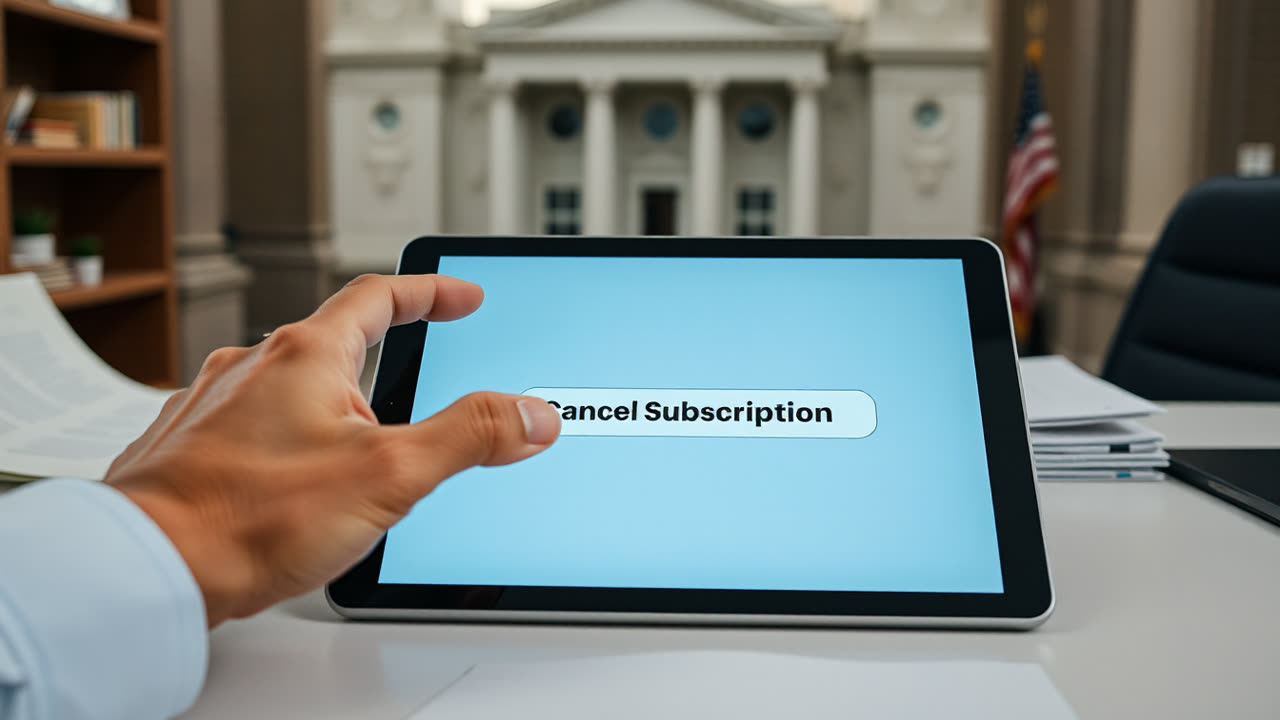
New York City’s landmark "click-to-cancel" rule officially took effect on July 18, 2023, compelling businesses to offer online subscription cancellation methods as straightforward as their sign-up processes, a significant victory for consumers battling the pervasive "subscription hell" of deliberately convoluted digital labyrinths. This groundbreaking regulation, formally known as Section 20-705 of the New York City Administrative Code, mandates that if a consumer can subscribe to a service online, they must also be able to cancel it online, eliminating the frustrating gauntlet of phone calls, physical mail, or in-person visits often required to terminate recurring charges. The rule applies to any business operating within the city that offers automatically renewing subscriptions or free trials that convert into paid subscriptions, encompassing everything from streaming services and software to gym memberships and meal kits. Enforcement falls under the NYC Department of Consumer and Worker Protection (DCWP), which has the authority to investigate complaints and levy penalties, with initial violations potentially resulting in fines of up to $350 and subsequent offenses reaching $500.
The immediate impact on consumers is a dramatic reduction in the time, effort, and psychological burden associated with escaping unwanted subscriptions. For years, companies have strategically employed "dark patterns"—user interface designs crafted to trick users into doing things they might not otherwise do, such as making cancellations obscure or difficult—to reduce churn and boost recurring revenue. This often translates into consumers inadvertently paying for months or even years for services they no longer use or want, simply because the cancellation process was too onerous to navigate. The NYC rule directly addresses this exploitative practice, restoring a sense of control and transparency to the consumer-business relationship. It's not merely about convenience; it's about financial protection, preventing the leakage of household budgets into forgotten or deliberately sticky subscriptions. For the subscription economy, which thrived on the ease of sign-up coupled with the friction of exit, this represents a fundamental shift. While some businesses might initially see a slight increase in churn as consumers easily shed unwanted services, the long-term benefit could be increased trust and loyalty from consumers who feel respected rather than trapped. Companies that embrace transparency and offer genuine value are likely to thrive, while those relying on dark patterns will face greater scrutiny and potential penalties.
New York City’s proactive stance places it at the forefront of consumer protection, contrasting with a patchwork of regulations across the United States. While the Federal Trade Commission (FTC) has long warned against deceptive subscription practices under Section 5 of the FTC Act, which prohibits unfair or deceptive acts or practices, and has issued guidance like its "Negative Option Rule," a comprehensive federal click-to-cancel mandate has remained elusive. The FTC did propose an update to its Negative Option Rule in March 2023, aiming to make it easier for consumers to cancel subscriptions by requiring a "simple mechanism" to stop recurring charges, mirroring the sign-up process. This proposed federal rule, if finalized, would be a monumental step, but it is still undergoing public comment and review. California, another state often leading in consumer rights, implemented a similar but less stringent law (California Business and Professions Code § 17602) requiring online cancellation for services offered online, albeit with some nuances regarding the specific methods allowed. Other states, such as Colorado and Vermont, have also passed laws addressing automatic renewals, but none are as explicitly "click-to-cancel" focused as NYC's and the proposed FTC rule. The NYC rule, therefore, serves as a crucial real-world test case and a potential blueprint for other municipalities and states, demonstrating the feasibility and immediate benefits of such legislation.
Looking ahead, the implementation of NYC’s rule is likely to exert significant pressure on businesses operating nationally, prompting them to standardize their cancellation processes across all jurisdictions to avoid a complex web of compliance. It also strengthens the argument for a federal click-to-cancel mandate. Should the FTC's proposed rule be enacted, it would provide uniform protection nationwide, leveling the playing field for businesses and ensuring consumers everywhere benefit from easier cancellations. The success of NYC's rule could also inspire international regulatory bodies to adopt similar measures, further cementing consumer rights in the digital age. However, challenges remain; businesses may seek loopholes or attempt to implement "compliant" but still somewhat cumbersome online cancellation flows. Ongoing vigilance from consumer protection agencies and an informed public will be critical to ensure the spirit of the law is upheld. Ultimately, the move towards frictionless cancellation is not just a regulatory trend but an evolution in consumer expectations, pushing the entire subscription industry towards greater transparency and accountability, where value and genuine engagement, rather than sticky design, become the true drivers of customer retention.