Next-Gen Robot Lawnmowers Ditch Wires, Achieve Viable Autonomy for Homeowners
The latest generation of robot lawnmowers leverages RTK-GPS and vision-based AI to eliminate perimeter wires, offering unprecedented precision and ease of use, though true 'set-it-and-forget-it' operation remains a future goal.
✨ This content was summarized and interpreted by AI; it may contain errors — please verify accuracy with the original sources. Learn more
Listen to this story
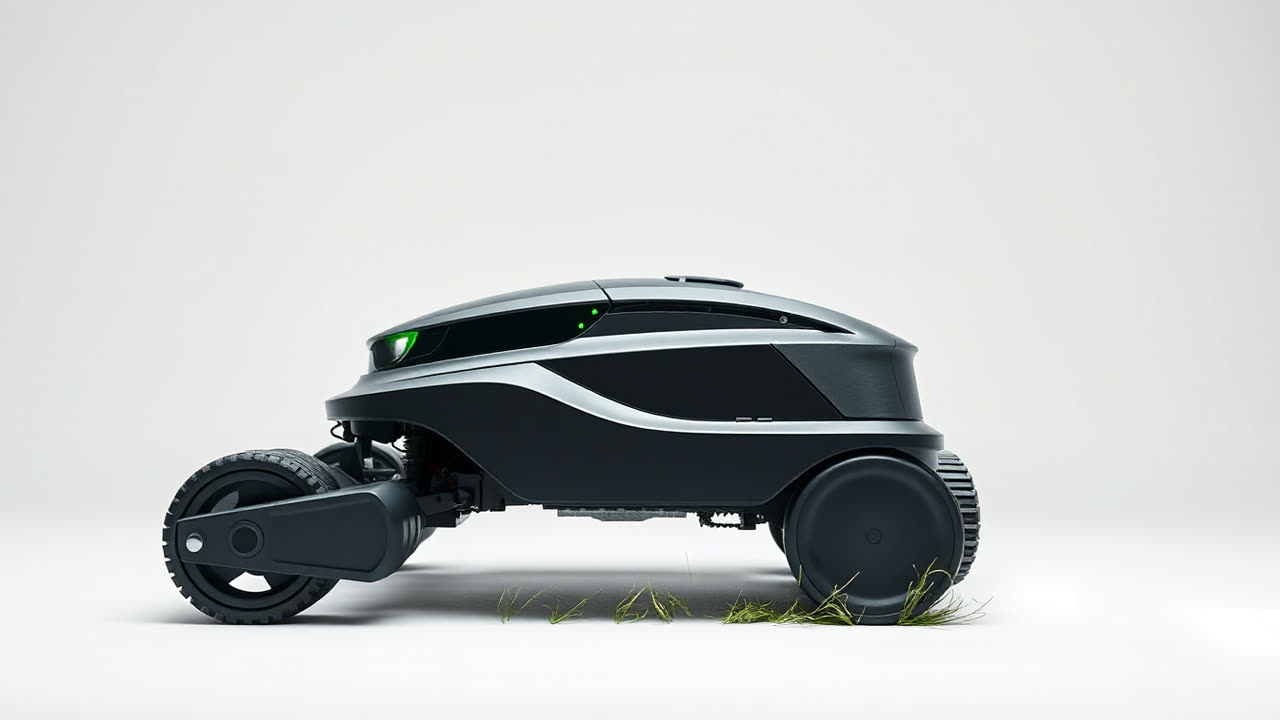
The latest generation of robot lawnmowers has finally crossed a critical threshold, offering sophisticated navigation and improved cutting performance that makes them genuinely viable for many homeowners, yet they remain far from the truly autonomous "set-it-and-forget-it" machines long envisioned. The most striking advancements center on ditching perimeter wires, a significant hurdle for previous models, in favor of advanced positioning systems like RTK-GPS and vision-based AI.
This shift in technology fundamentally changes the user experience, moving from laborious wire installation—which could take hours and required careful maintenance—to virtual boundary setting via a smartphone app. For instance, models like the Segway Navimow i105 and Mammotion Luba 2 AWD are leveraging RTK-GPS (Real-Time Kinematic Global Positioning System) to achieve centimeter-level accuracy, allowing users to map their lawns with precision and even designate no-go zones or multiple cutting areas directly from their phones. This technological leap eliminates the risk of cut wires, simplifies installation, and offers unparalleled flexibility in adapting to changing garden layouts. The Mammotion Luba 2 AWD, for example, boasts a multi-channel RTK-GNSS system that reportedly maintains accuracy even under tree cover and can handle slopes up to 80% (38.6 degrees), a significant improvement over previous generations. Similarly, models like the Ecovacs Goat G1 integrate vision-based AI with 360-degree panoramic cameras for obstacle avoidance and boundary recognition, further enhancing their autonomy and safety.
The impact on users is profound, extending beyond mere convenience. For homeowners with complex yards, multiple zones, or a desire to frequently modify their mowing areas, these new wire-free systems represent a significant reduction in effort and frustration. The time saved from manual mowing is now compounded by the elimination of wire installation and troubleshooting. However, these machines still demand a degree of interaction. Initial mapping, while simpler, still requires careful attention to detail. Users must ensure clear line-of-sight for RTK base stations or optimal camera views for vision-based systems. Furthermore, despite advanced obstacle avoidance, small items like toys, hoses, or even fallen branches can still pose problems, necessitating a pre-mow yard sweep. The promise of true autonomy is still tempered by the reality of needing occasional human oversight to prevent issues like getting stuck or missing spots.
From an industry perspective, these advancements are igniting a new phase of competition and innovation. Traditional players like Husqvarna, long dominant with its reliable but often wire-dependent Automower series, are now facing aggressive challenges from tech companies like Segway, Mammotion, Roborock, and Ecovacs, which are leveraging their expertise in robotics and AI. Husqvarna itself has responded with its own wire-free models, such as the Automower NERA series, which also utilizes RTK technology, demonstrating the rapid market shift. This competitive landscape is driving down prices for advanced features, making sophisticated robot lawnmowers accessible to a broader consumer base. While premium models still range from $1,500 to over $3,000, the functionality they offer at these price points is significantly higher than previous generations. The market for robot lawnmowers is projected to grow substantially, with some estimates predicting a compound annual growth rate (CAGR) of over 15% through 2030, driven by these technological leaps and increasing consumer demand for smart home solutions.
Looking ahead, the trajectory for robot lawnmowers points towards even greater integration and intelligence. The next wave will likely see enhanced AI algorithms for predictive mowing based on grass growth rates, weather patterns, and even lawn health analysis. Integration with wider smart home ecosystems will allow for seamless scheduling alongside irrigation systems or outdoor lighting. Battery technology will continue to improve, offering longer runtimes and faster charging. The biggest hurdle remaining is achieving true "zero-intervention" operation, where the robot can autonomously handle unexpected obstacles, navigate highly complex terrains without prior mapping, and perform self-maintenance tasks like blade changes or charging station alignment with minimal human input. Vision-only systems, while promising, still face challenges in varying light conditions and complex environments, suggesting a future where a fusion of RTK-GPS, advanced vision, and even radar or LiDAR sensors will provide the redundancy and robustness required for genuine set-it-and-forget-it functionality. As these technologies mature and production scales, the cost of entry will likely decrease further, solidifying the robot lawnmower's place as an indispensable smart garden appliance rather than a niche luxury.