Nintendo Switch Sales Phasing Out in Europe by 2027 Amidst EU Battery Mandates
Nintendo is phasing out sales of its original Switch console family in Europe by mid-February 2027, driven by new EU regulations requiring user-replaceable batteries, while global production winds down and the Switch 2 takes center stage.
✨ This content was summarized and interpreted by AI; it may contain errors — please verify accuracy with the original sources. Learn more
Listen to this story
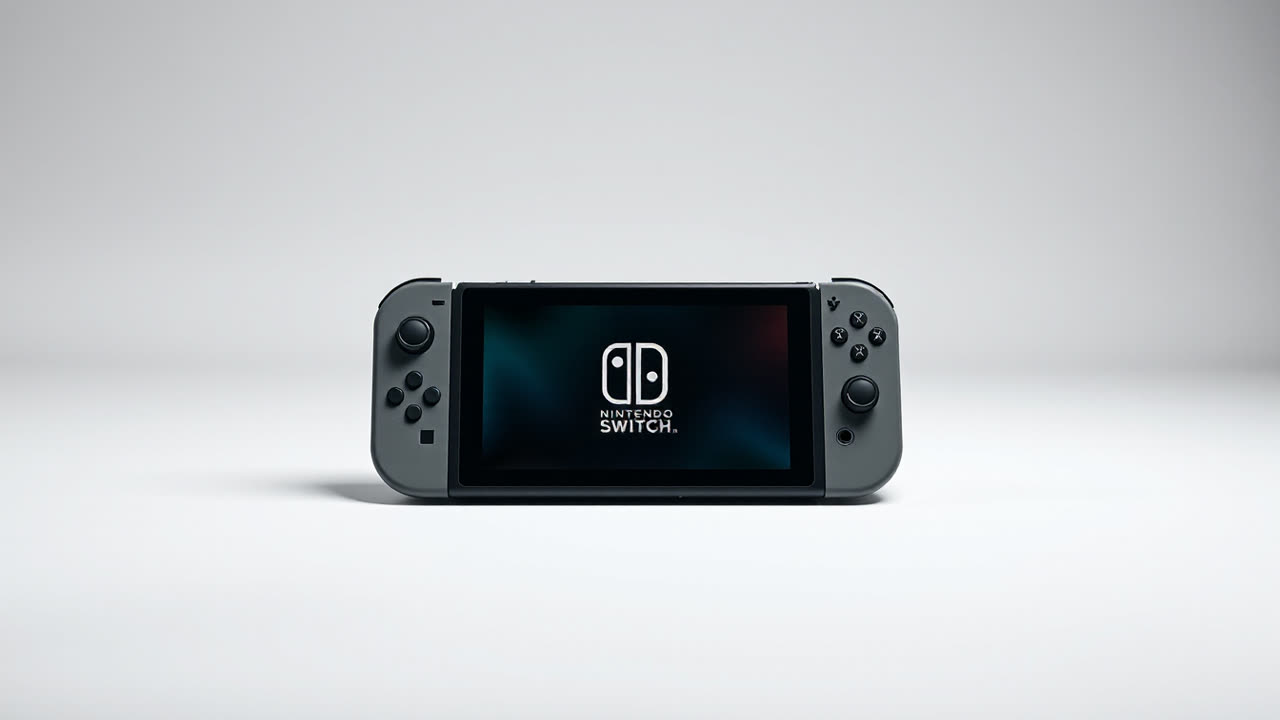
Nintendo is strategically concluding the hardware production cycle for its original Switch console family, with sales to European retailers slated to cease by mid-February 2027, nearly a decade after its March 2017 launch. This move encompasses the original Switch, Switch Lite, and Switch OLED models, and will also end direct sales from the official Nintendo Store in Europe. The decision is largely influenced by new European Union regulations mandating user-replaceable batteries in electronic devices, a requirement Nintendo is addressing with its successor, the Switch 2, but not with the existing Switch models. While Nintendo has clarified that sales of the original Switch will continue in regions outside of Europe, a global winding down of production is evident in the significant decline of hardware shipments, which saw a 66% drop from April to December 2025 compared to the previous year.
This phased retirement marks a pivotal moment for a console that has achieved extraordinary success, having sold 155.37 million units worldwide as of December 31, 2025. This figure places the Switch ahead of the Nintendo DS (154.02 million) and positions it as the second best-selling video game console of all time, rapidly approaching the PlayStation 2's approximate 160 million units. The console's software ecosystem has also flourished, with lifetime software sales reaching 1.5 billion copies by December 2025, boasting an impressive attach rate of 9.7 games per console.
For existing Nintendo Switch owners, the console's hardware demonstrates remarkable longevity. With proper care, many units are expected to remain functional for 6 to 10 years or even longer, with numerous users reporting their launch-day consoles from 2017 still performing well in 2026. The primary wear-and-tear concerns for users typically revolve around peripherals rather than the console itself. The notorious "Joy-Con drift," where analog sticks register input without physical touch, is a widespread issue often attributed to internal wear or debris. Fortunately, Nintendo has offered free Joy-Con repair programs in certain territories, even for devices outside their warranty period, mitigating a significant pain point for many players. Battery degradation is another common concern, as with any rechargeable device, but overall, the core console hardware is robust.
Crucially, Nintendo's commitment to software and online services for the original Switch offers substantial reassurance. The company has confirmed plans to continue supporting the platform with first-party titles through at least 2026, with announced games like *Rhythm Heaven Groove* and *Tomodachi Life: Living the Dream* slated for release. Beyond new releases, Nintendo is strategically leveraging major updates to popular existing titles, such as *Animal Crossing: New Horizons* and *Splatoon 3*, to maintain player engagement and facilitate a smoother transition to the new hardware. Furthermore, essential online services, including Nintendo Switch Online and the eShop, are guaranteed to remain operational for the "foreseeable future," a significant departure from Nintendo's past practices with older consoles like the Wii U and 3DS, whose online functionalities were discontinued in April 2024. This sustained support ensures that players' extensive digital libraries and multiplayer experiences remain accessible.
The industry impact of this transition underscores Nintendo's unique position and evolving strategy. Unlike previous generations where Nintendo often made a clean break with new hardware, the Switch's unprecedented success and massive install base have necessitated a more gradual, user-centric approach. The launch of the Nintendo Switch 2 in June 2025, which sold 17.37 million units by December 31, 2025, and notably outpaced the original Switch's launch sales, signals a robust start for the next generation. Nintendo is actively shifting its primary development focus to the Switch 2, while simultaneously ensuring backward compatibility, allowing Switch 1 game libraries to be played on the new system. This strategy, aided by the Nintendo Account system which facilitates the transfer of digital purchases and user data for over 290 million customers, aims to create a seamless migration path. By maintaining support for the original Switch while aggressively promoting its successor, Nintendo seeks to maximize revenue from both platforms and provide third-party developers with confidence in the new system's rapidly growing install base.
Historically, console generations typically last between 5 to 7 years, though some, like the PlayStation 2, famously extended beyond a decade. The original Switch's nearly ten-year production run in Europe positions it at the longer end of this spectrum, reflecting its enduring popularity. Nintendo's prior consoles, such as the Wii U (5 years) and 3DS (9 years), saw their online services cease roughly a year after their eShops closed, illustrating a more abrupt end-of-life cycle. The current strategy for the Switch, with its continued online services and backward compatibility for the Switch 2, represents a significant evolution, prioritizing the existing user base's investment.
Looking ahead, the original Nintendo Switch will continue to be a viable gaming platform for years to come. While first-party software releases will become less frequent, the vast existing library and continued online services ensure a rich gaming experience. The Switch 2 will undoubtedly become Nintendo's flagship, with new and exclusive titles driving its growth. However, the original Switch's robust design, coupled with Nintendo's commitment to gradual obsolescence and user account migration, means that its functional lifespan will extend well beyond its official production end in Europe. The upcoming EU regulations for user-replaceable batteries on the Switch 2 also hint at a future where Nintendo's hardware design prioritizes repairability, potentially setting a new standard for console longevity. For millions of players, the original Switch is far from "done"; it remains a testament to enduring design and a commitment to its loyal player base.