Nokia 300 Charge: The Feature Phone That's Also a Power Bank
The Nokia 300 Charge redefines the feature phone by integrating a 3,700mAh battery with 10W reverse charging, transforming it into an essential emergency power solution.
✨ This content was summarized and interpreted by AI; it may contain errors — please verify accuracy with the original sources. Learn more
Listen to this story
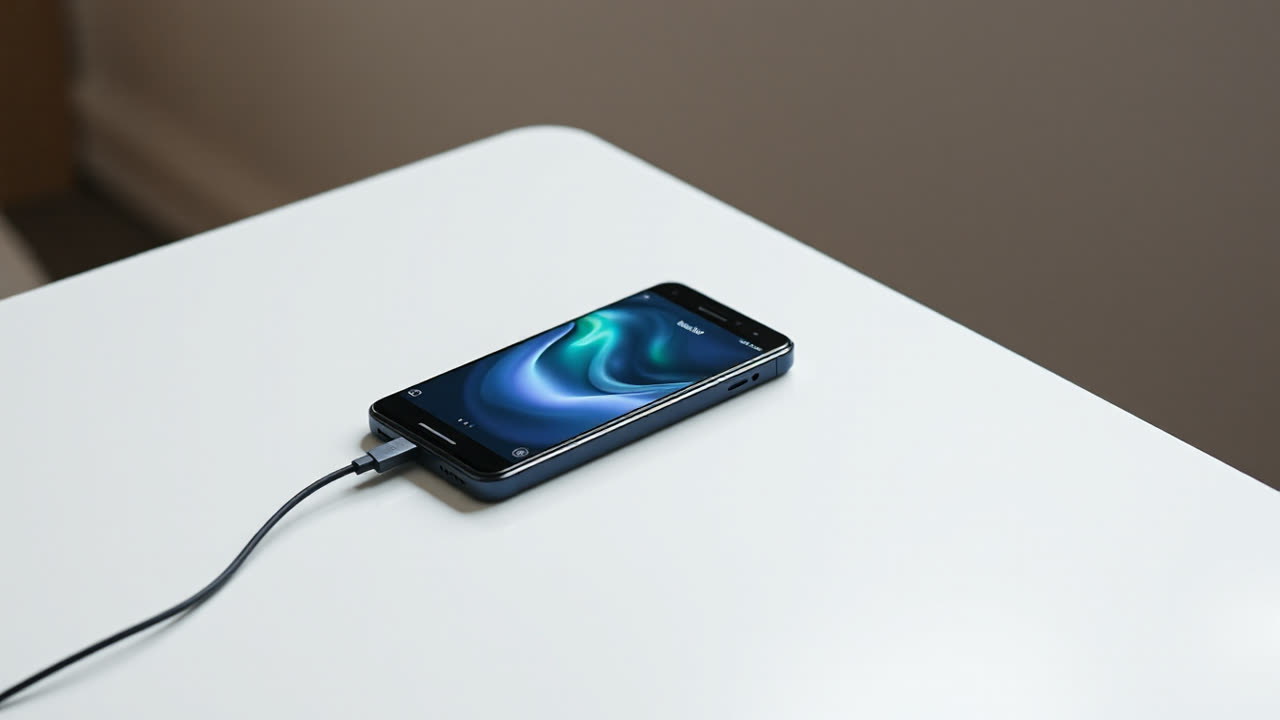
The Nokia 300 Charge enters the market not merely as a feature phone, but as a robust, pocket-sized emergency power solution, boasting a substantial 3,700mAh removable battery that enables 10W reverse charging via its USB-C port. This singular capability transforms a device designed for simplicity into a critical utility, promising up to 40 days of standby time or 37 hours of talk time on a single charge for itself, while simultaneously offering an emergency lifeline to power-hungry smartphones and accessories. Priced at approximately $38 USD (2,190 Philippine pesos) and initially launched in the Philippines, with a global rollout anticipated, the 300 Charge is a deliberate counter-narrative to the relentless pursuit of smartphone sophistication.
This dual functionality fundamentally shifts the perception and utility of a "dumb phone." For users, it provides unparalleled peace of mind, particularly for those in regions with unreliable power grids, outdoor enthusiasts, or as a crucial component of an emergency kit. The ability to give a modern smartphone enough juice for a vital call, a QR code scan, or two-factor authentication addresses a common pain point of digital dependency without requiring a separate, often forgotten, power bank. Its inclusion of a powerful LED torch, reportedly four times brighter than the one on the 2023 Nokia 105, further underscores its design as a survival tool rather than a primary communication device. The device’s physical keypad, 2.4-inch QVGA display, and Series 30+ operating system reinforce its minimalist approach, focusing on core communication and extreme endurance.
From an industry perspective, the Nokia 300 Charge, under HMD Global's stewardship, represents a strategic pivot within the feature phone segment. While many manufacturers attempt to infuse feature phones with limited "smart" capabilities, such as AI assistants or basic internet browsing, HMD has opted for a distinctly practical innovation. This move acknowledges a persistent demand for affordable, durable, and reliable communication solutions, particularly in emerging markets where feature phones remain vital for over a billion users globally. The global feature phone market, valued at USD 7.7 billion in 2025, is projected to reach USD 10.35 billion by 2033, growing at a CAGR of 3.77% from 2026, with India leading in market share. This growth is fueled by simplicity, longer battery life, and lower cost, appealing to demographics like the elderly, children, and those in areas with limited internet infrastructure. By integrating a high-capacity battery and reverse charging, HMD Global differentiates the 300 Charge, moving beyond mere nostalgia to offer tangible, modern utility in a minimalist package.
Compared to its rivals and previous generations, the 300 Charge's 3,700mAh battery is a standout, significantly larger than what is typically found in feature phones and even surpassing the capacity of some older smartphones. For context, many common power banks start at 10,000mAh, yet the integration within a phone, coupled with its ultra-low power consumption, makes it uniquely compelling for emergency use. Its 2G-only connectivity, however, is a notable limitation. While HMD has released other 4G-enabled feature phones like the Nokia 235 4G (2026) and Nokia 215 4G (2026), the 300 Charge's reliance on 2G bands (900MHz and 1800MHz) means its cellular functionality will be limited in regions where 2G networks are being phased out. This positions it more as a backup device or a primary phone in specific, underserved markets, rather than a universal secondary phone. The inclusion of USB-C, a modern standard, is a welcome upgrade from older micro-USB ports on many feature phones, signaling HMD's commitment to modernizing even its basic offerings.
Looking ahead, the Nokia 300 Charge exemplifies a growing trend in the mobile market: specialized devices designed to address specific user needs rather than attempting to be all things to all people. As "feature fatigue" sets in among smartphone users, and a "digital detox" movement gains traction, demand for simpler, distraction-free devices is rising, particularly among younger generations. The global power bank market itself is projected to grow from $12.2 billion in 2024 to $21.3 billion by 2033, driven by increasing mobile device usage and demand for portable charging solutions. This indicates a strong underlying market for the 300 Charge's core innovation. HMD Global's strategy with devices like the 300 Charge suggests a future where feature phones aren't just budget alternatives but purpose-built tools, carving out a niche as indispensable complements to smartphones. While Nokia (under HMD) continues to explore Android smartphones and 5G integration, this focus on practical, high-value feature phones demonstrates a nuanced understanding of a diverse global market that values reliability and core functionality above all else. The success of the 300 Charge may encourage further innovation in integrating essential utilities into minimalist devices, creating a new category of "utility phones" that prioritize survival and connectivity over endless features.