North Carolina Confirms Apple Wallet Mobile Driver's License Integration
North Carolina's Department of Motor Vehicles has officially confirmed its intent to integrate mobile driver's licenses and state IDs into Apple Wallet, signaling a significant expansion of digital identity solutions across the United States.
✨ This content was summarized and interpreted by AI; it may contain errors — please verify accuracy with the original sources. Learn more
Listen to this story
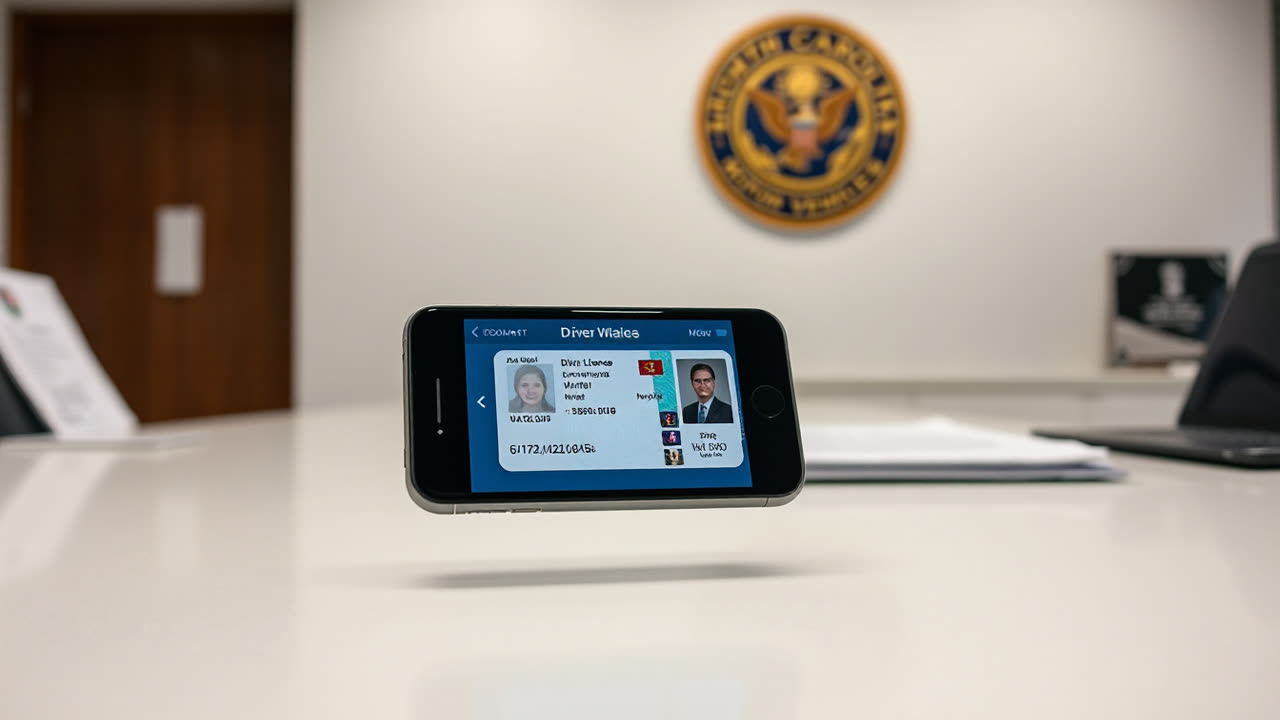
North Carolina's Department of Motor Vehicles has officially confirmed its intent to integrate mobile driver's licenses and state IDs into Apple Wallet, signaling a significant expansion of digital identity solutions across the United States. This move, part of a broader, yet largely unannounced, push by Apple into four additional states, marks a critical juncture for the widespread adoption of secure, convenient digital credentials, with the Tar Heel State now poised to join a growing roster of jurisdictions embracing this technology. The confirmation from North Carolina arrives as Apple continues to navigate the complex landscape of state-level regulatory approvals, a process that has seen initial rollouts in a limited number of states since late 2021.
The expansion to states like North Carolina underscores a maturation of the digital ID concept, moving beyond early pilot programs to more substantial statewide commitments. For users, the immediate benefit is the enhanced convenience of carrying a digital driver's license or state ID on their iPhone or Apple Watch, theoretically streamlining interactions at TSA checkpoints, certain retail transactions, and potentially law enforcement stops where accepted. Apple's implementation emphasizes privacy and security, leveraging the iPhone's Secure Element and Face ID/Touch ID authentication to protect sensitive data, ensuring that only the user can present their ID and that the data shared is limited to what is necessary for the transaction. This "least privilege" data sharing is a marked improvement over traditional physical IDs, which expose all personal information regardless of the verification need. The digital ID's dynamic nature also allows for real-time updates, potentially reducing the hassle of physical card renewals and lost or stolen documents.
From an industry perspective, this expansion is a powerful validation of the smartphone as a central hub for personal identification, further solidifying Apple's position at the forefront of digital identity innovation. While specific details on the other three states reportedly joining North Carolina remain under wraps, the momentum suggests a tipping point where digital IDs transition from novelty to mainstream utility. This shift has profound implications for a myriad of sectors, including travel, retail, financial services, and even healthcare, all of which rely heavily on identity verification. Airlines, for instance, could see faster boarding processes, while retailers could expedite age-restricted purchases with verifiable, yet privacy-preserving, digital checks. The broader integration of these digital credentials into existing verification systems represents a significant infrastructure undertaking, requiring collaboration between state DMVs, Apple, and third-party verification partners.
The journey to widespread digital ID adoption has been incremental. Arizona and Maryland were among the first states to launch Apple Wallet IDs in 2022, followed by Colorado and Georgia, demonstrating the phased approach required for such a sensitive and security-critical initiative. Each state's implementation involves unique legislative, technical, and operational hurdles, from establishing robust backend systems for credential issuance to training law enforcement and commercial entities on how to accept and verify these new digital forms of identification. Compared to traditional physical IDs, which are susceptible to counterfeiting and require manual inspection, Apple Wallet IDs offer advanced cryptographic security features, making them inherently more difficult to forge and easier to verify through digital readers or visual inspection with animated security features. Rivals like Google Wallet have also begun rolling out similar digital ID capabilities in select states, with efforts in Arizona, Colorado, and Maryland, creating a competitive landscape that could accelerate innovation and adoption across both major mobile platforms. However, Apple's established ecosystem and strong emphasis on user privacy often give it an edge in consumer trust and adoption for sensitive features.
Looking ahead, the expansion to additional states like North Carolina lays the groundwork for a future where physical wallets become increasingly redundant. The next phase will likely involve broadening the acceptance points beyond TSA checkpoints to a wider array of scenarios, including banking, voting, and even certain governmental services. The interoperability of these digital IDs across state lines and with various verification systems will be crucial for true national utility. Furthermore, advancements in secure biometric authentication and distributed ledger technologies could further enhance the security and integrity of digital identities, potentially paving the way for a universally accepted, tamper-proof digital ID framework. While challenges remain, particularly around public education, equitable access for all citizens, and the standardization of verification protocols, the continued momentum, exemplified by North Carolina's commitment, indicates that the era of the digital driver's license is not merely arriving but rapidly solidifying its place as the primary form of identification for millions.