NVIDIA RTX 5090 Price Soars Past $5,100 in South Korea Amidst 30% Series-Wide Hikes
The NVIDIA GeForce RTX 5090 has breached the staggering $5,100 mark in South Korea, signaling a profound shift in the high-end graphics card market as the entire RTX 50 series lineup experiences price increases of up to 30% due to rising manufacturing costs.
✨ This content was summarized and interpreted by AI; it may contain errors — please verify accuracy with the original sources. Learn more
Listen to this story
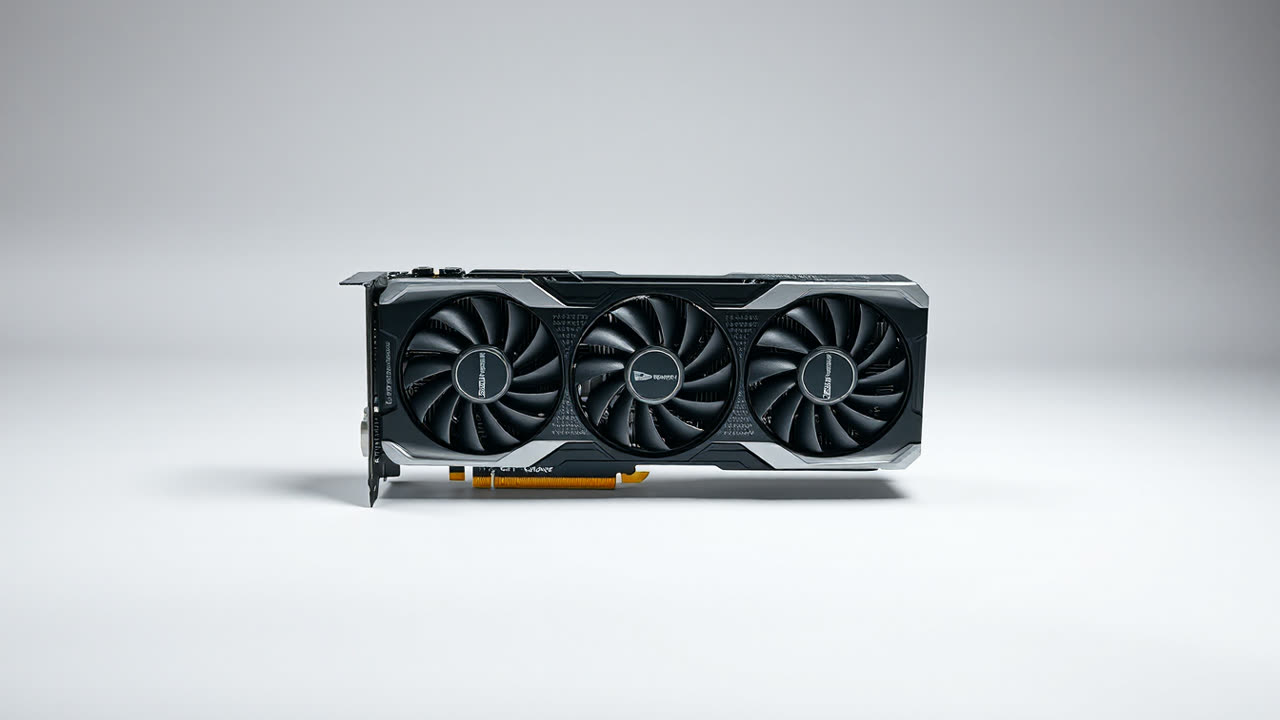
The NVIDIA GeForce RTX 5090 has breached the staggering $5,100 mark in South Korea, a troubling indicator of a broader trend seeing the entire RTX 50 series lineup experiencing price increases of up to 30% in the region. This substantial escalation, attributed primarily to TSMC wafer cost hikes and the rising expense of GDDR7 memory modules, which reportedly now cost $20 each, signals a profound shift in the high-end graphics card market. The move places an unprecedented financial burden on enthusiasts and professionals alike, further segmenting an already premium market and raising critical questions about accessibility and future industry dynamics.
This aggressive pricing strategy by NVIDIA, whether a direct corporate decision or an unavoidable consequence of supply chain economics, carries significant implications for both consumers and the broader technology ecosystem. For the average gamer or content creator, the RTX 50 series, particularly its flagship models, moves further out of reach, transforming high-fidelity gaming and demanding creative workloads into a luxury accessible only to a select few. This could force a longer upgrade cycle for many, as the leap from previous generations becomes financially prohibitive, potentially stifling the adoption of new graphics-intensive technologies and game development that relies on widespread access to cutting-edge hardware. The escalating cost of entry also risks exacerbating the digital divide, limiting participation in burgeoning fields like AI and advanced 3D rendering where NVIDIA GPUs are often the preferred, if not essential, tool.
The background to these price hikes is multifaceted, reflecting a complex interplay of manufacturing costs, market demand, and strategic positioning. TSMC, a critical foundry partner for NVIDIA, has reportedly continued its trend of increasing wafer prices, a cost that GPU manufacturers invariably pass down to the consumer. Concurrently, the transition to GDDR7 memory, offering significant bandwidth improvements over GDDR6 and GDDR6X, comes at a premium, with individual modules commanding a notable $20. These foundational cost increases, coupled with robust demand from both the gaming and increasingly lucrative AI/data center sectors, provide NVIDIA with leverage to command higher prices. Historically, previous generations like the RTX 40 series also saw higher launch prices compared to their predecessors, though not always with such a stark initial jump in a specific region. For instance, the RTX 4090 launched with an MSRP of $1,599 in October 2022, a significant jump from the RTX 3090's $1,499 launch price. The current South Korean pricing for the RTX 5090 at over $5,100 represents a staggering increase even relative to these past trends, indicating a substantial acceleration in premiumization.
In comparison to its rivals, NVIDIA continues to hold a dominant position in the discrete GPU market, particularly at the high end, which allows it greater pricing power. While AMD’s RDNA 4 series and Intel’s forthcoming Battlemage architecture are expected to offer competitive alternatives, especially in the mid-range, they have historically struggled to challenge NVIDIA's performance crown at the very top tier. AMD's strategy has often focused on offering strong performance-per-dollar, but if NVIDIA’s top-tier cards are priced out of reach for many, it could create an opportunity for AMD to capture a larger share of the enthusiast market, assuming their RDNA 4 series can deliver compelling performance at a more palatable price point. Intel's Arc series, while making strides, is still establishing its foothold and is unlikely to directly compete with a flagship like the RTX 5090 in terms of raw power or market perception in the immediate future. This dynamic effectively gives NVIDIA a near-monopoly at the absolute zenith of GPU performance, allowing them to dictate pricing with less fear of direct, high-end competition.
Looking ahead, this pricing trend is likely to solidify a two-tiered GPU market: a highly lucrative, ultra-premium segment catering to professionals and the wealthiest enthusiasts, and a more competitive, but potentially less innovative, mainstream segment. NVIDIA’s focus may increasingly shift towards its enterprise AI accelerators, where margins are even higher and demand shows no signs of abating, potentially leading to less emphasis on making consumer GPUs broadly affordable. Consumers, particularly PC gamers, might increasingly turn to cloud gaming services as an alternative to expensive hardware upgrades, or extend the lifespan of older GPUs, impacting future sales volumes for new generations. This could also spur innovation in more cost-effective GPU manufacturing processes or alternative computing architectures from competitors. Ultimately, while NVIDIA’s immediate profitability may soar, the long-term health of the broader PC gaming and enthusiast hardware ecosystem could face significant strain, risking alienation of a core user base that has historically driven much of the industry's growth. The $5,100 RTX 5090 is not just a price tag; it's a stark signal of a new era for computing hardware, where the pinnacle of performance comes with an unprecedented premium.