Nvidia's DLSS 5 Debuts with NBA2K27, Igniting AI Rendering Debate
Nvidia's highly anticipated DLSS 5 is set to launch on September 3, 2026, exclusively with NBA2K27, supporting all RTX 50 series GPUs and GeForce NOW, showcasing an aggressive strategy to integrate AI-powered upscaling across its next-gen ecosystem; however, its new "AI-native rendering" and aggressive frame generation approach, which critics fear prioritizes framerate over raw pixel quality, especially at lower resolutions, sparks significant debate and marks a pivotal moment for the future direction of gaming graphics.
✨ This content was summarized and interpreted by AI; it may contain errors — please verify accuracy with the original sources. Learn more
Listen to this story
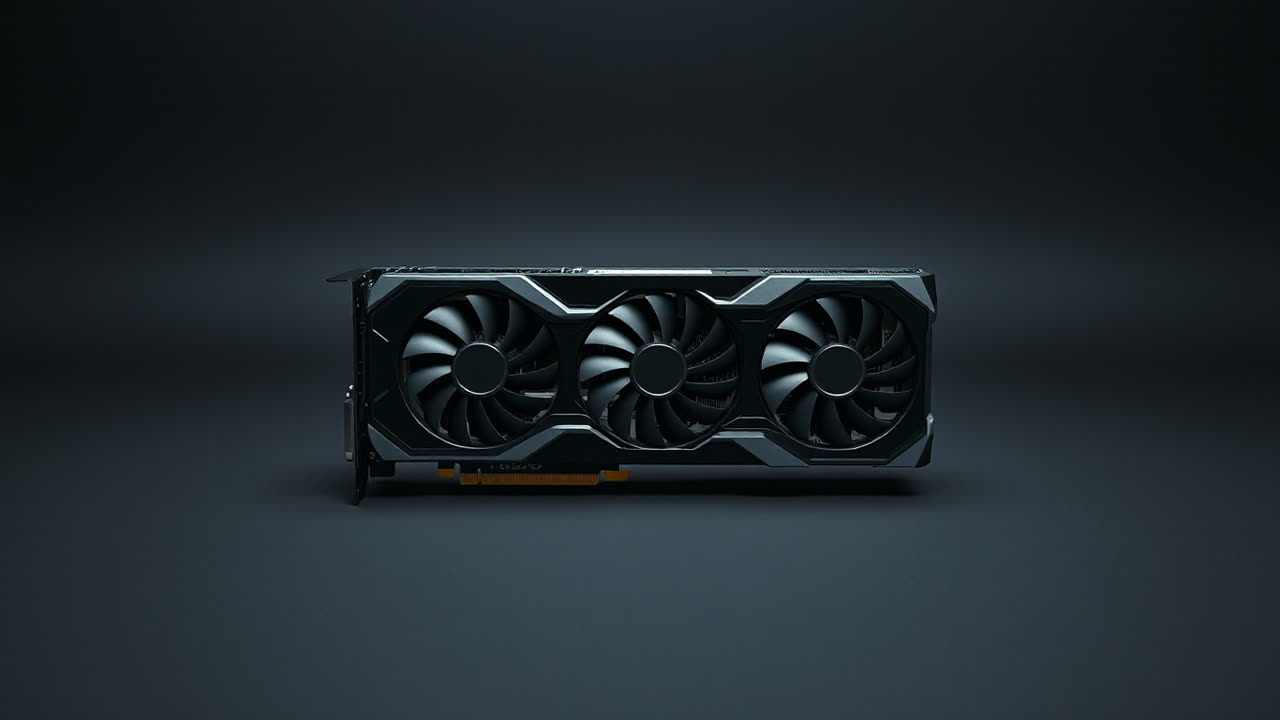
Nvidia's highly anticipated and contentious DLSS 5 is set to debut on September 3, 2026, launching exclusively with NBA2K27 and immediately supporting all RTX 50 series GPUs, their mobile counterparts, and the GeForce NOW cloud gaming platform. This wide-reaching availability at launch underscores Nvidia's aggressive strategy to integrate its latest AI-powered upscaling technology across its entire next-generation hardware ecosystem and cloud infrastructure. The company has already shared preliminary benchmarks, indicating significant performance gains, though the specifics of these improvements are at the heart of the ongoing debate surrounding this iteration.
The core controversy surrounding DLSS 5 stems not from a lack of performance, but from its fundamental architectural shift towards more aggressive frame generation and a new "AI-native rendering" pipeline, which some critics argue prioritizes artificial frame insertion over raw pixel rendering quality, particularly at lower native resolutions. While Nvidia touts unprecedented framerate boosts, enabling smoother gameplay even on demanding titles with ray tracing, early reports suggest a potentially more noticeable "AI artifacting" in certain scenarios compared to previous DLSS versions. This trade-off between absolute framerate and perceived image fidelity has ignited a fervent discussion among enthusiasts and professional reviewers, who question whether the pursuit of higher numbers compromises the visual integrity that upscaling technologies are meant to enhance.
Technologically, DLSS 5 represents a substantial leap from DLSS 3.5, moving beyond simple temporal upscaling and ray reconstruction. While DLSS 3 introduced Frame Generation, DLSS 5 reportedly integrates an "Intelligent Frame Synthesis" (IFS) engine, which leverages a more sophisticated generative AI model to predict and create entirely new frames between traditionally rendered ones. This differs from DLSS 3's optical flow approach by incorporating deeper scene understanding and object persistence, aiming to reduce visual anomalies like ghosting and disocclusion artifacts. However, the reliance on an even more aggressive AI inference engine demands the specialized Tensor Cores found in RTX GPUs, effectively deepening the divide between Nvidia's proprietary ecosystem and open-standard alternatives.
For gamers, the immediate impact of DLSS 5 in NBA2K27 will be a substantial uplift in framerates, potentially allowing for high-refresh-rate gameplay at 4K resolutions on RTX 50 series hardware that might otherwise struggle to maintain such performance natively. The inclusion on GeForce NOW is particularly impactful, as it democratizes access to these performance benefits for users without high-end local hardware, pushing the boundaries of cloud gaming fidelity and responsiveness. However, the "controversy" means users will need to carefully evaluate the visual output, especially in fast-paced competitive titles where even minor artifacts could be distracting. The promise of smoother gameplay is compelling, but the subjective experience of visual quality will be paramount.
In comparison to its rivals, DLSS 5 further solidifies Nvidia's lead in proprietary AI upscaling. AMD's FidelityFX Super Resolution (FSR) 3, while open-source and hardware-agnostic, has faced criticism for its Frame Generation implementation, particularly regarding input latency and visual quality compared to DLSS 3. Nvidia's continued investment in dedicated hardware (Tensor Cores) for its AI pipeline allows for more complex and, arguably, more robust AI models. Intel's XeSS offers a compelling alternative with broader hardware support, but has generally trailed DLSS in both performance and image quality metrics. DLSS 5's aggressive approach to frame generation positions it as the uncontested performance leader, but its perceived image quality will be the battleground where its true value is judged against the more accessible, albeit less performant, open standards.
Looking ahead, DLSS 5's launch sets a critical precedent for the future of gaming graphics. If the "AI-native rendering" paradigm proves successful in balancing performance with acceptable visual integrity, it could accelerate a shift where raw rendering power becomes less critical than AI inference capabilities for achieving ultra-high framerates. This would further entrench Nvidia's dominance, making Tensor Cores an even more indispensable component of gaming GPUs. Game developers will face increasing pressure to integrate DLSS 5, potentially influencing future game engine designs to better accommodate AI-generated frames. The long-term success of DLSS 5, however, hinges on Nvidia's ability to refine its generative AI models to mitigate visual artifacts, convincing a skeptical segment of the gaming community that higher numbers don't necessarily come at the cost of the immersive visual experience. The industry will be closely watching its reception in NBA2K27 and subsequent titles, as it could dictate the trajectory of graphics innovation for years to come.