Nvidia Sells RTX 50-Series Founder's Edition GPUs Directly at MSRP at PAX West
Nvidia has initiated an unprecedented direct-to-consumer strategy, offering its new RTX 5090, 5080, and 5070 Founder's Edition GPUs at Manufacturer's Suggested Retail Price to consumers at PAX West 2026 through a 'Verified Priority Access' system.
✨ This content was summarized and interpreted by AI; it may contain errors — please verify accuracy with the original sources. Learn more
Listen to this story
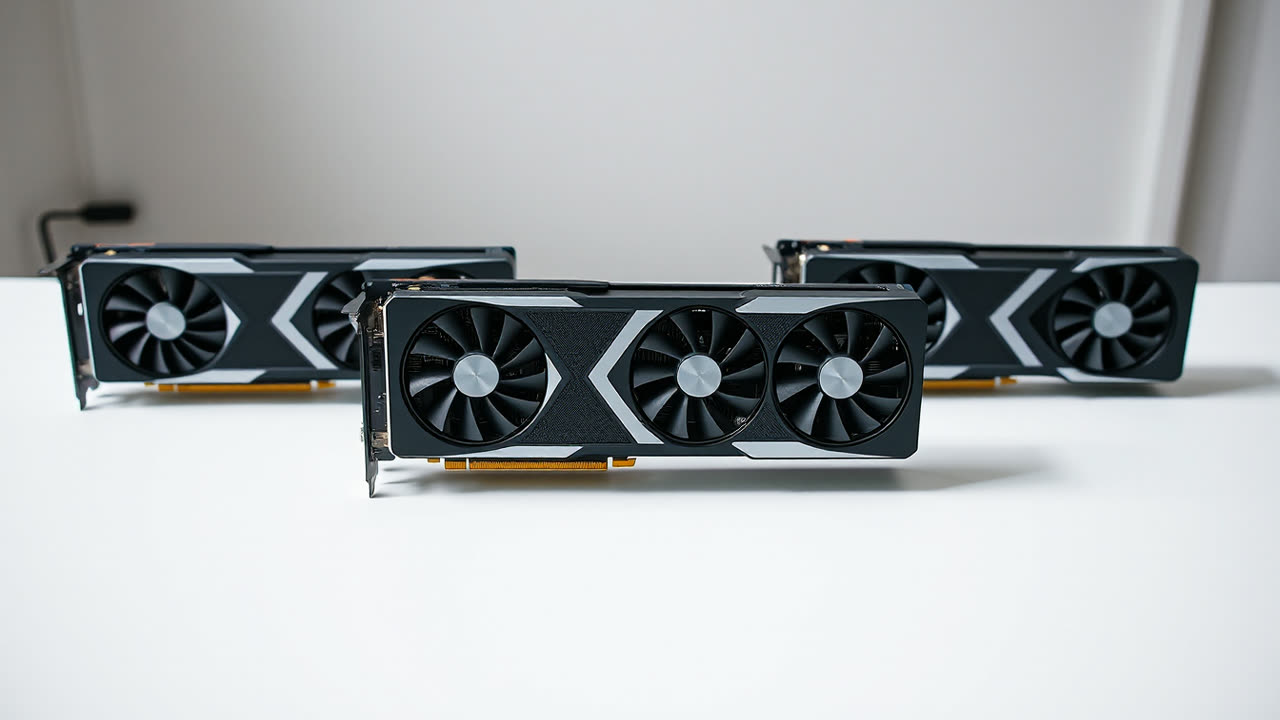
Nvidia has made a significant strategic move by offering its newly launched RTX 5090, RTX 5080, and RTX 5070 Founder's Edition GPUs at their Manufacturer's Suggested Retail Price (MSRP) directly to consumers at PAX West 2026, utilizing a "Verified Priority Access" system for in-person sales. This unprecedented direct-to-consumer initiative, particularly for Founder's Edition models typically reserved for online distribution, marks a pivotal shift in Nvidia's market engagement and reflects a calculated response to the evolving GPU landscape of the mid-2020s.
This move holds substantial implications for both end-users and the broader industry. For consumers, particularly the dedicated enthusiast segment attending PAX West, it represents a rare opportunity to acquire high-demand, cutting-edge hardware without succumbing to the inflated prices often dictated by scalpers or the initial market frenzy. The "Verified Priority Access" system, details of which have been rigorously tested in previous, smaller-scale direct sales, is designed to ensure genuine gamers and creators can secure these cards, bypassing bot-driven purchases and secondary market gouging. This direct engagement fosters brand loyalty and rebuilds trust, which was strained during the supply chain crises of earlier generations, particularly the RTX 30-series. The RTX 50-series, built on the advanced Blackwell architecture, promises significant performance uplifts over its Ada Lovelace predecessors, with early benchmarks for the RTX 5090 showing up to a 60% improvement in ray tracing workloads and a 40-50% general performance increase over the RTX 4090, making access at MSRP exceptionally valuable.
From an industry perspective, Nvidia's direct sales at PAX West signal a more aggressive, controlled distribution strategy. Historically, Founder's Edition cards were often a reference point for performance and pricing, but their availability was frequently limited, driving consumers to AIB (Add-in Board) partners. By directly selling these flagship models at a major enthusiast event, Nvidia is asserting greater control over its product's market introduction and pricing narrative. This could exert downward pressure on AIBs, compelling them to keep their custom card prices closer to MSRP or differentiate more effectively through cooling solutions, factory overclocks, or bundled software. This strategy may also be a proactive measure against potential market saturation or increased competition from AMD's anticipated RDNA 5 architecture or Intel's maturing Battlemage lineup, both expected to challenge Nvidia's dominance in various segments by late 2026 or early 2027.
The background to this strategic pivot is rooted in the tumultuous GPU market of the early 2020s. The RTX 30-series launch was plagued by unprecedented demand, exacerbated by cryptocurrency mining booms and global supply chain disruptions, leading to widespread unavailability and astronomical secondary market prices. While the RTX 40-series launch saw improved availability, initial MSRPs, particularly for the RTX 4080 and 4070, faced criticism for being too high relative to their generational performance gains, leading to slower adoption rates in certain tiers. Nvidia's current approach with the RTX 50-series Founder's Edition at PAX West appears to be a direct response to these past challenges, aiming to recapture consumer goodwill and establish a benchmark for fair pricing from the outset. This direct engagement strategy contrasts sharply with their earlier hands-off approach, where AIB partners bore the primary responsibility for retail distribution and pricing.
Looking ahead, this move could herald a new era of GPU distribution. If successful in mitigating scalping and demonstrating strong consumer satisfaction, Nvidia might expand such direct sales initiatives to other major tech events or even establish a more robust online direct-to-consumer channel for Founder's Edition cards globally. This would fundamentally alter the relationship between GPU manufacturers, AIB partners, and retailers. AIBs might find themselves in a more competitive environment, needing to innovate further to justify their market position and pricing. Furthermore, this could set a precedent for other hardware manufacturers to explore similar direct sales models for their high-demand products, potentially disrupting traditional retail channels. The long-term success will hinge on Nvidia's ability to scale this "Verified Priority Access" system and maintain sufficient supply to meet demand at MSRP, turning a one-off event into a sustainable component of their market strategy and ensuring that the promise of accessible, cutting-edge hardware remains a reality for the enthusiast community.