OpenAI's 'Alive' Smart Speaker: A Hardware Pivot Challenging Tech Giants
OpenAI is reportedly developing an "expensive" smart speaker with mechanical components to convey "aliveness," marking a significant strategic pivot into consumer hardware and challenging established market players.
✨ This content was summarized and interpreted by AI; it may contain errors — please verify accuracy with the original sources. Learn more
Listen to this story
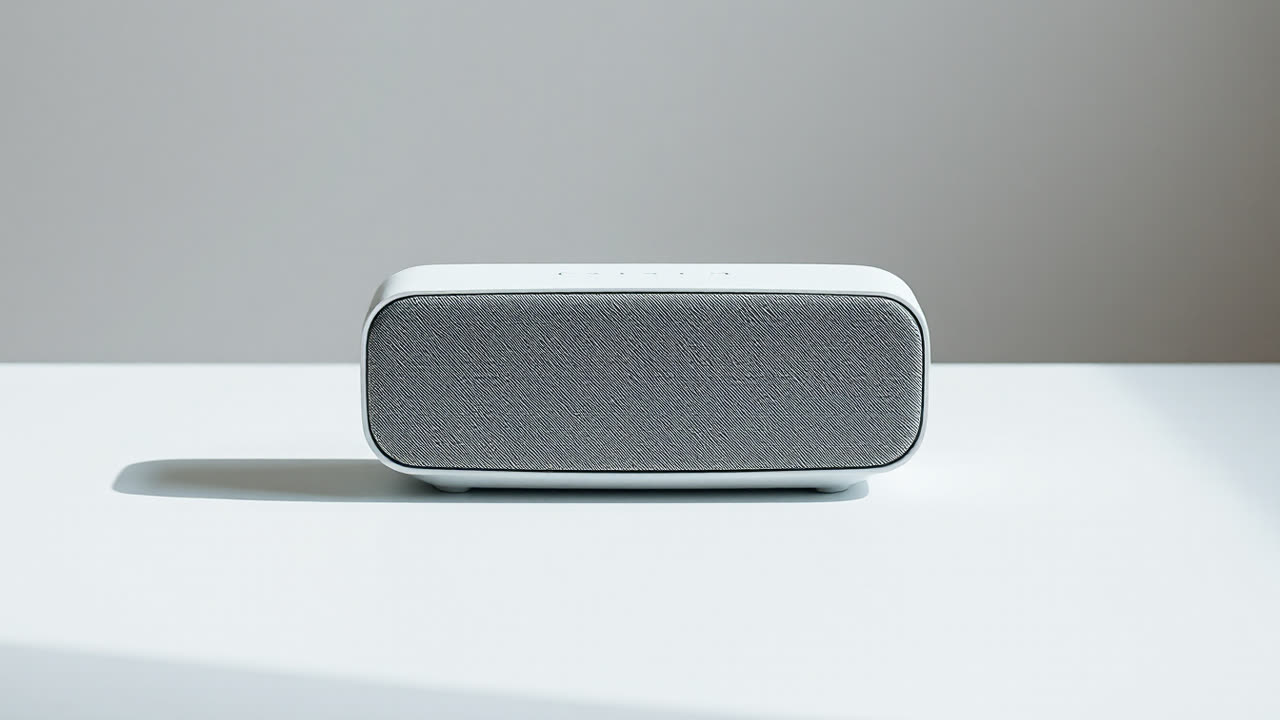
OpenAI is reportedly developing an "expensive" smart speaker featuring mechanical components designed to convey a sense of "aliveness," a bold move confirmed by the company to not be an imitation of Apple's aesthetic. This revelation, stemming from a recent Gurman report, signals a significant strategic pivot for OpenAI, traditionally a software-first entity, into the fiercely competitive consumer hardware market, directly challenging established players like Amazon, Google, and Apple, while simultaneously redefining user expectations for AI interaction.
The integration of moving parts within a smart speaker represents a radical departure from the static, often minimalist designs prevalent in the current market. Unlike the purely auditory or screen-based feedback offered by devices such as the Amazon Echo Show or Google Nest Hub, OpenAI’s approach suggests a physical manifestation of AI responsiveness, aiming to bridge the uncanny valley between a digital assistant and a sentient presence. This could involve subtle shifts in orientation, expanding or contracting elements, or even gestural feedback, all intended to imbue the device with a non-verbal communication layer. The ambition is clear: to foster a deeper, more empathetic connection with users by making the AI feel less like a tool and more like an active participant in a conversation. Such a design philosophy, however, carries inherent risks, including increased manufacturing complexity, potential points of mechanical failure, and the challenge of ensuring these movements enhance, rather than distract from, the core AI interaction.
This foray into hardware is more than just an expansion; it’s a strategic imperative for OpenAI to control the full stack of its AI experience. In an era where AI models are increasingly commoditized, owning the hardware platform allows OpenAI to optimize performance, integrate proprietary sensors, and deliver unique user experiences that cannot be replicated purely through software on third-party devices. This vertical integration mirrors the strategies of tech giants like Apple, which tightly controls its hardware and software ecosystems to deliver a premium, seamless experience. For OpenAI, it’s about preventing its cutting-edge models from being confined to the limitations or design philosophies of other companies' hardware, ensuring its vision for AI is delivered unfiltered. The "expensive" price point suggested by the report further indicates a premium offering, likely targeting early adopters and users willing to pay for a novel, high-fidelity AI experience, potentially positioning it above mainstream smart speakers which typically range from $50 to $250.
The current smart speaker market, while mature, is ripe for disruption. Devices like the Amazon Echo and Google Home have become ubiquitous, offering convenience but often lacking in sophisticated, contextual AI interaction. More recent entrants, such as the Humane AI Pin and the Rabbit R1, have attempted to redefine the form factor for AI interaction, focusing on screenless or minimalist interfaces, albeit with mixed critical and commercial reception. The Humane AI Pin, for example, aimed for a truly ambient experience but faced challenges with performance and usability upon its launch earlier this year. The Rabbit R1, with its distinctive orange design and "Large Action Model," offered a different take on device interaction, yet also grappled with user expectations and practical application. OpenAI’s rumored speaker, with its emphasis on "aliveness" through physical movement, directly addresses a perceived gap in these offerings: the emotional and intuitive connection with AI. It suggests a future where AI assistants are not just responsive to commands but are perceptibly engaging, perhaps even endearing.
Looking ahead, OpenAI's smart speaker could catalyze a new wave of "embodied AI" devices, pushing rivals to reconsider their own hardware strategies. Competitors may respond by exploring similar mechanical innovations or by doubling down on existing strengths, such as multi-modal interfaces that combine voice, touch, and visual feedback in more sophisticated ways. The success of OpenAI's device will hinge not only on its advanced AI capabilities but critically on the seamless integration of its mechanical elements, ensuring they enhance utility and emotional connection without introducing frustration or perceived gimmickry. Furthermore, the privacy implications of a more "alive" and physically responsive AI device will undoubtedly come under increased scrutiny, requiring OpenAI to navigate complex ethical and user trust considerations. If successful, this speaker could set a new benchmark for how humans interact with artificial intelligence, moving beyond mere utility to a realm of genuine companionship and intuitive interaction, fundamentally reshaping the smart home and personal AI landscape for the next decade.