OpenAI to Launch Screenless AI Smart Speaker, Challenging Tech Giants
OpenAI is reportedly preparing to unveil its first consumer hardware product, a screenless smart speaker designed as a 'human-like AI companion,' challenging established tech giants.
✨ This content was summarized and interpreted by AI; it may contain errors — please verify accuracy with the original sources. Learn more
Listen to this story
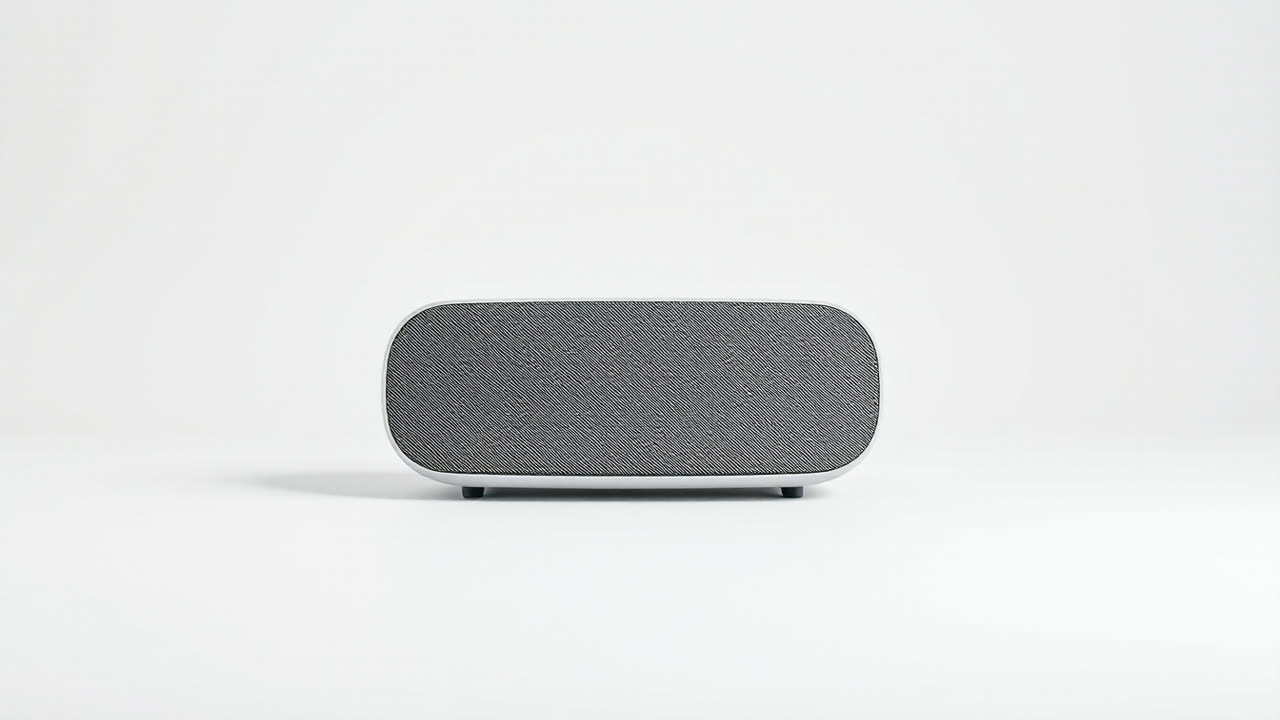
OpenAI is reportedly preparing to unveil its first consumer hardware product this year: a screenless, portable smart speaker designed as a "human-like AI companion" for the home, with a full launch expected in 2027. This ambitious move, detailed in recent Bloomberg reports, signals a significant strategic pivot for the AI powerhouse, traditionally known for its software and large language models.
Developed in collaboration with legendary former Apple designer Jony Ive's studio, LoveFrom, the device is envisioned to be more than a conventional smart speaker. It will reportedly feature a camera and additional sensors to understand its surroundings and users, leveraging an advanced version of ChatGPT's "Live" voice mode for natural, full-duplex conversations. The speaker is also said to incorporate mechanical elements, allowing it to move autonomously and foster a sense of being "alive," aiming to provide a proactive, personalized AI experience by learning from user data, including emails. With a rumored price point between $200 and $300, it aims to control smart home devices, play media, and manage communications.
This foray into hardware represents OpenAI's bold intent to own the "default assistant" layer of the AI ecosystem and gather richer, real-world data, directly challenging established tech giants like Apple, Amazon, and Google in the crowded smart speaker market. The company views it as an "AI-native computer," a departure from screen-centric devices, promoting a calmer, more ambient interaction. However, the path is not without obstacles. Apple has recently filed a lawsuit against OpenAI, alleging theft of trade secrets related to hardware development, which could potentially disrupt the launch timeline. Furthermore, the continuous collection of visual and personal data by an always-on device raises significant privacy concerns that OpenAI will need to address to gain widespread consumer trust. The success of this device will hinge on OpenAI's ability to differentiate its "companion" experience and navigate the complex landscape of consumer hardware and data privacy.