Ottocast's Wireless CarPlay Adapters Transform In-Car Tech
Ottocast's compact adapters instantly upgrade wired Apple CarPlay and Android Auto to wireless, democratizing premium in-car connectivity and evolving into full Android entertainment hubs.
✨ This content was summarized and interpreted by AI; it may contain errors — please verify accuracy with the original sources. Learn more
Listen to this story
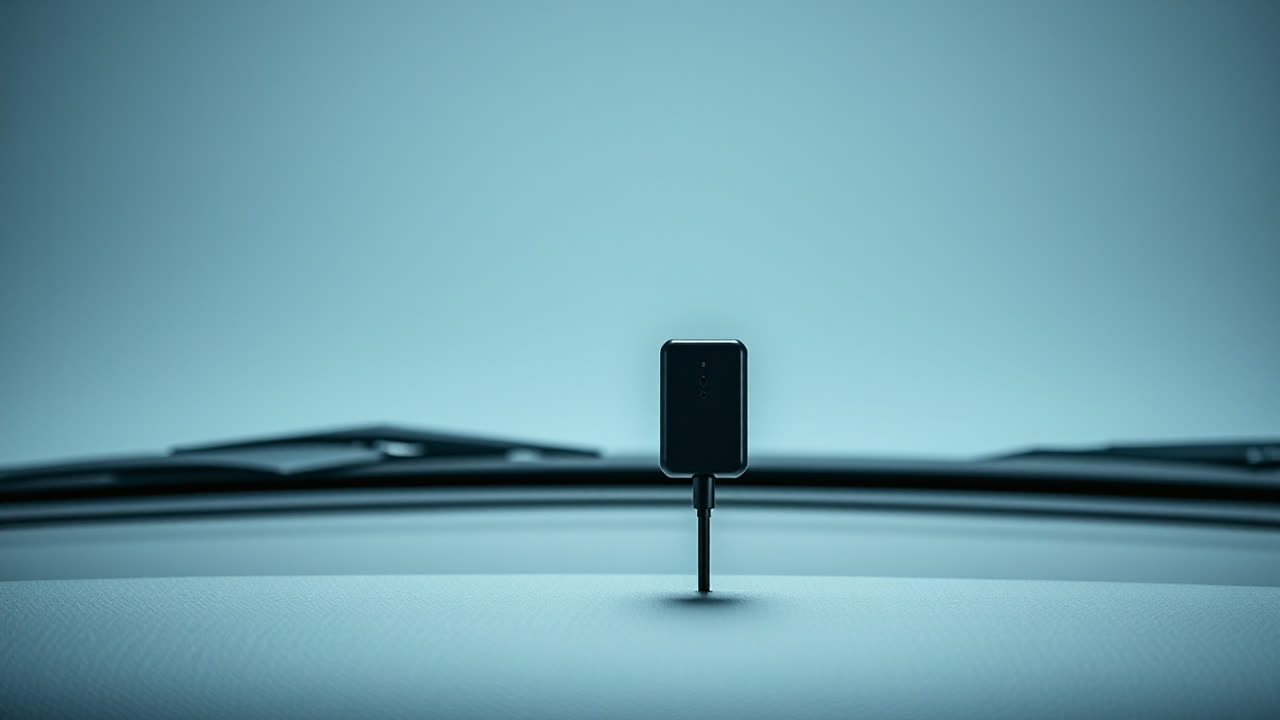
Ottocast's U2-AIR Pro, a compact adapter no larger than a Zippo lighter, instantly converts wired Apple CarPlay into a wireless experience, activating the moment a car's ignition is turned on and typically connecting to an iPhone within 7-10 seconds. This seamless transition eliminates the need for a physical Lightning cable, addressing a common user frustration and enhancing the daily driving experience by reducing clutter and improving convenience. The device operates by plugging into the car's existing USB-A or USB-C CarPlay port, then creating a Wi-Fi and Bluetooth connection with the user's iPhone, effectively mirroring the CarPlay interface wirelessly.
The significance of this advancement extends beyond mere convenience for individual users; it represents a critical step in the automotive industry's ongoing shift towards fully integrated, wireless in-car technology. For consumers, the U2-AIR Pro, often priced around $89.99, offers an accessible upgrade for vehicles that lack native wireless CarPlay, a feature typically reserved for newer, higher-trim models. This democratizes access to a premium feature, allowing owners of older vehicles to enjoy the benefits of wireless connectivity without the expense of a new car or a costly head unit replacement. The impact on daily routines is tangible: drivers can leave their phones in a pocket or bag, reducing distractions associated with fumbling for cables and ensuring the phone remains charged, especially with the proliferation of wireless charging pads in modern vehicles.
Ottocast's product line extends beyond simple wireless CarPlay conversion. The U2-X Pro, for instance, supports both wireless Apple CarPlay and wireless Android Auto, catering to a broader user base and often retailing for approximately $119.99. More advanced models like the Ottocast PICASOU 2 Pro, which can cost around $289.99, transform the car's infotainment screen into a full Android tablet, complete with access to streaming apps like Netflix and YouTube, and even offering GPS navigation without a connected phone. This elevates the in-car experience from a simple phone projection to a standalone entertainment and productivity hub, blurring the lines between automotive and consumer electronics. These higher-end devices often feature robust processors (e.g., Qualcomm's QCM6125 for the PICASOU 2 Pro), 8GB RAM, and 128GB storage, running Android 10 or newer, providing a powerful platform for a multitude of applications directly on the vehicle's display.
Compared to its rivals, Ottocast holds a strong position in a competitive market. Companies like Carlinkit and AAWireless offer similar wireless CarPlay/Android Auto adapters, often at comparable price points. The Carlinkit 5.0 (2air), for example, also provides dual CarPlay and Android Auto functionality, typically priced around $100. Motorola's MA1, while exclusively for wireless Android Auto, is often lauded for its reliability and quick connection times. Ottocast differentiates itself through its diverse product portfolio, offering a range of devices from basic wireless converters to full-fledged Android AI boxes, giving consumers more choices based on their specific needs and budget. User reviews frequently highlight Ottocast's consistent performance and ease of setup, though occasional reports of connection drops or minor latency exist across all brands in this segment, reflecting the inherent challenges of wireless communication in a dynamic automotive environment.
Looking ahead, the trajectory for wireless in-car connectivity points towards deeper integration and enhanced functionality. As automotive manufacturers increasingly adopt native wireless CarPlay and Android Auto in their vehicles, the market for aftermarket adapters like Ottocast's basic converters might see a gradual shift. However, the demand for "AI Box" solutions, which effectively turn the car's screen into a powerful Android tablet, is likely to grow. These devices offer features that even native infotainment systems often lack, such as unrestricted app access and advanced multimedia capabilities. Future iterations could see improved processing power, 5G connectivity for faster streaming and updates, and even more seamless integration with vehicle systems, potentially allowing for control of car functions through the adapter's interface. The evolution of these devices will likely parallel advancements in smartphone technology, continually pushing the boundaries of what's possible in the connected car, transforming the vehicle cabin from a mere mode of transport into a personalized, intelligent extension of our digital lives.