Outernet App Transforms Saved Online Content into Tangible Experiences
San Francisco's Outernet application leverages gamification and personalized prompts to bridge the gap between digital discovery and real-world action, turning saved online content into physical adventures.
✨ This content was summarized and interpreted by AI; it may contain errors — please verify accuracy with the original sources. Learn more
Listen to this story
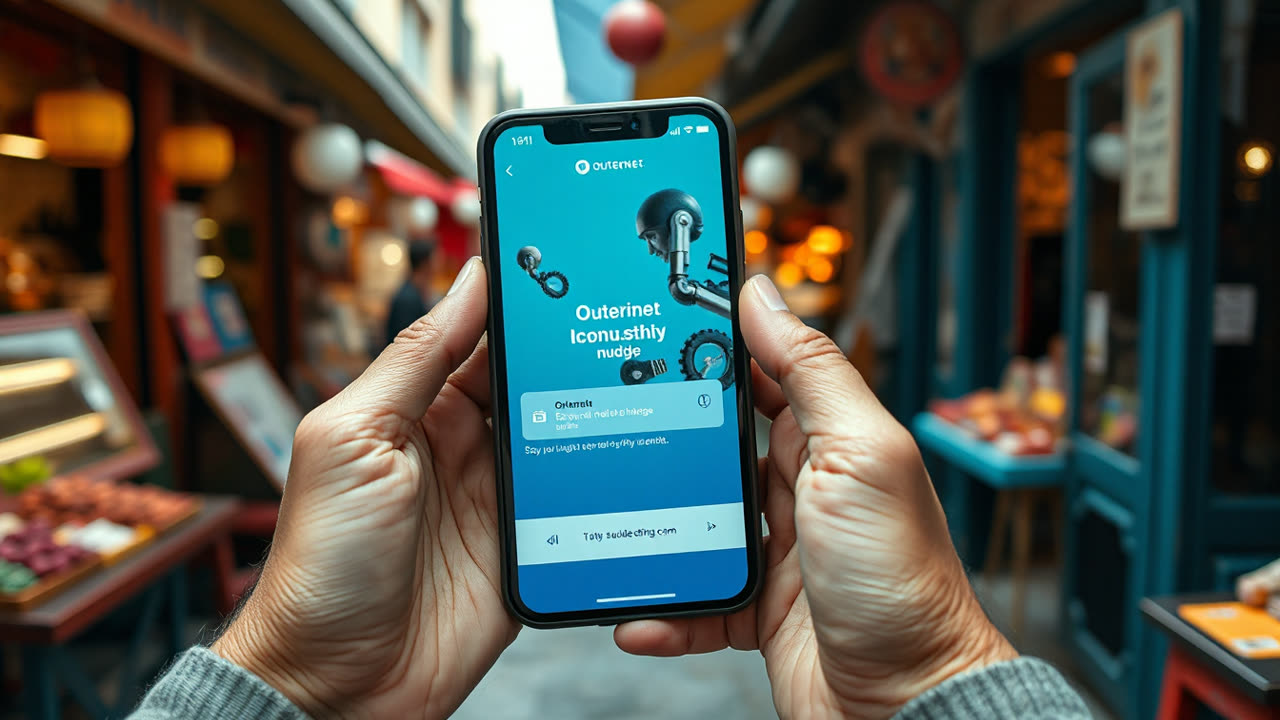
The newly launched Outernet application, spearheaded by the creative minds behind San Francisco's viral citywide scavenger hunt Pursuit, is poised to fundamentally redefine the relationship between digital discovery and real-world engagement by actively transforming saved online content into tangible, actionable experiences. Unlike passive "save for later" features prevalent across social media and mapping platforms, Outernet introduces a unique "nudge" mechanism, leveraging gamification and personalized prompts to encourage users to physically visit the places, attend the events, or engage with the activities they've bookmarked from the internet. This innovative approach addresses a pervasive modern dilemma: the vast chasm between digital intent—the endless scrolling and saving of intriguing posts—and actual execution in the physical world.
This development is significant because it directly tackles digital fatigue and the paradox of choice, offering a structured pathway from inspiration to action. For users, Outernet promises to unlock the latent value of their saved content, shifting it from a digital graveyard of forgotten aspirations to a dynamic itinerary of potential adventures. The app's foundation, built by creators known for orchestrating highly engaging offline events, suggests a deep understanding of human psychology and motivation to participate in real-world activities. By integrating elements like location-based reminders, time-sensitive suggestions, and potentially social sharing components, Outernet aims to cultivate a sense of urgency and shared experience, moving beyond mere information aggregation to genuine experience curation. This could fundamentally alter how individuals interact with their local environments and discover new interests, fostering a more active and less screen-dependent lifestyle.
From an industry perspective, Outernet's model represents a disruptive force in several key sectors. It challenges the established paradigms of social media platforms, which primarily incentivize content consumption, by instead promoting real-world interaction and activity. While platforms like Instagram and TikTok offer "save" functions, they lack the proactive, actionable framework that Outernet provides. Similarly, existing event discovery apps like Eventbrite or Meetup, or travel planners such as TripAdvisor and Google Maps, primarily serve as directories or planning tools; they don't inherently bridge the gap between digital discovery and the subsequent physical journey with an active "nudge" system. Outernet's novelty lies in its active encouragement, potentially drawing users away from purely digital engagement towards more tangible, local experiences. This could also open new avenues for local businesses, venues, and event organizers, offering a direct and highly motivated channel to reach potential customers who have already expressed interest in their offerings. The app's success hinges on its ability to effectively personalize these nudges without becoming intrusive, maintaining a delicate balance between helpful encouragement and perceived digital nagging.
Comparing Outernet to its predecessors reveals its distinct proposition. Prior generations of digital tools excelled at information aggregation—think Pinterest for visual inspiration or Foursquare for venue discovery. However, the conversion rate from digital interest to physical action often remained low, a testament to the inertia of digital comfort. Outernet's differentiator is its explicit mission to overcome this inertia. It's not just about *what* you save, but *what you do* with it. Early reports suggest the app integrates seamlessly with popular social media and content platforms, allowing users to effortlessly import saved posts from Instagram, TikTok, and even article links, consolidating diverse interests into a single, actionable feed. This universal compatibility is crucial for widespread adoption, as it minimizes the friction of switching between multiple discovery platforms.
Looking ahead, Outernet's trajectory will likely involve refining its recommendation algorithms and expanding its integration capabilities. The potential for partnerships with local tourism boards, event promoters, and even e-commerce platforms that sell experience-based products is immense. Imagine Outernet suggesting a visit to a local pottery studio you saved, then offering a discount on a class there, or prompting you to attend a concert based on a band you bookmarked. Monetization strategies could evolve beyond premium features to include curated sponsored "adventures" or affiliate partnerships, creating a new layer of experiential marketing. However, challenges remain, including maintaining user privacy with location data, ensuring the quality and safety of suggested experiences, and scaling its "nudge" system to a global audience without losing its personalized touch. The long-term success of Outernet will ultimately depend on its ability to consistently deliver on its promise: transforming our digital aspirations into a vibrant, active, and fulfilling real-world life.