Palit Relaunches Five-Year-Old RTX 3060 GPU Amid AI-Driven VRAM Shortages
Nvidia's strategic reboot of the 2021 graphics card with 12GB VRAM aims to address escalating global GPU and memory constraints fueled by the AI sector.
✨ This content was summarized and interpreted by AI; it may contain errors — please verify accuracy with the original sources. Learn more
Listen to this story
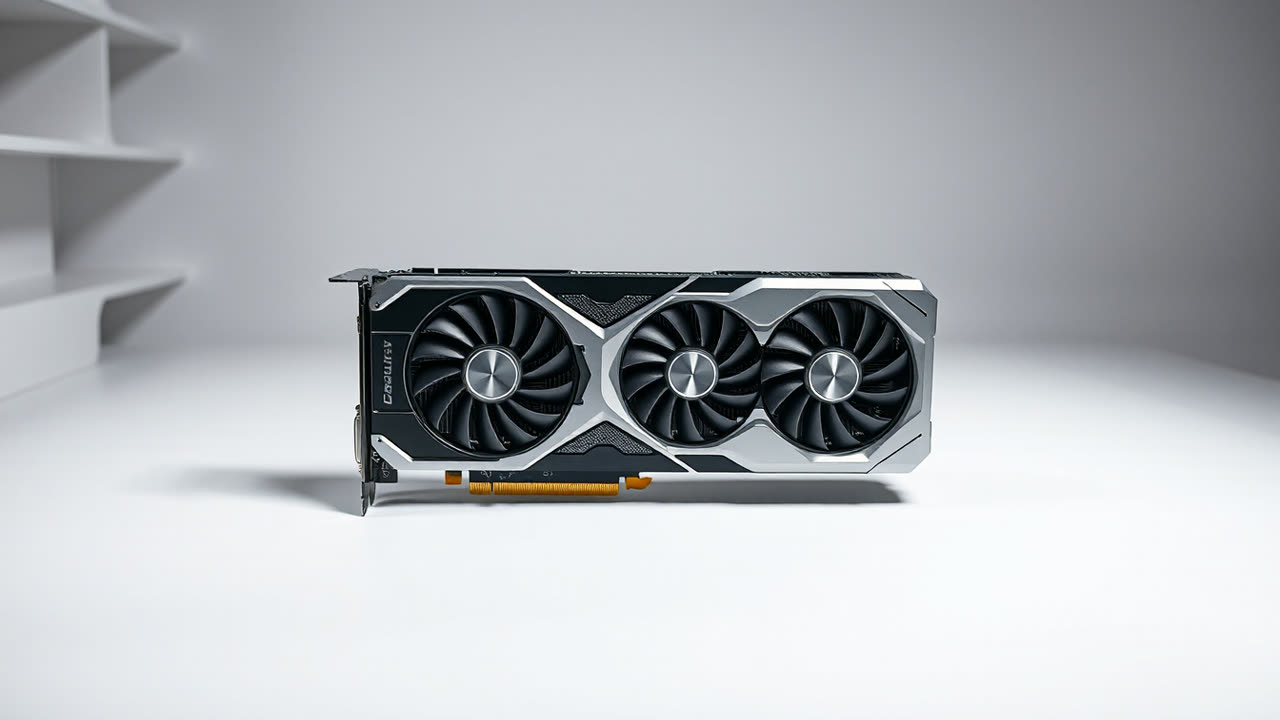
Palit has officially unveiled a "new" GeForce RTX 3060 Infinity 2 OC graphics card, confirming the surprising return of the five-year-old GPU to market in July 2026. This relaunch, featuring a redesigned dual-fan cooler, is a direct response to the escalating global GPU and VRAM shortages, driven predominantly by the insatiable demand from the artificial intelligence sector.
The RTX 3060 Infinity 2 OC retains its original 12GB of GDDR6 VRAM, a critical selling point in an era where 8GB cards are increasingly constrained by modern applications and entry-level AI workloads. While Palit has not yet confirmed pricing, the original RTX 3060 launched at $329, and new stock has been spotted at around $339.99, just above its initial MSRP. This strategic reboot by Nvidia leverages Samsung's older 8nm process node for the Ampere-generation GPU, allowing the company to supply the consumer and productivity markets without diverting the cutting-edge manufacturing capacity reserved for its high-margin RTX 50-series and data center AI accelerators.
This move underscores the unprecedented structural memory shortage plaguing the semiconductor industry, with AI data centers consuming vast quantities of High Bandwidth Memory (HBM) and impacting the supply of consumer-grade GDDR. The return of the RTX 3060, a card initially released in 2021, highlights the severity of this crisis, which analysts predict will persist through 2026 and into 2027. While offering a viable option for budget-conscious builders and those requiring ample VRAM for tasks like video editing, 3D rendering, and local AI model processing, the RTX 3060's performance for gaming falls behind newer, albeit scarcer, RTX 50-series cards. Its resurgence is a pragmatic stopgap, showcasing Nvidia's strategic segmentation of the market to navigate an AI-dominated supply chain.