Panasonic Lumix L10 review: A stylish and capable compact camera
Panasonic's Lumix L10, launched at a premium price of $999, aimed to redefine the high-end point-and-shoot segment with its blend of speed, image quality, and compact style, challenging the dominance of smartphone photography in a shrinking market.
✨ This content was summarized and interpreted by AI; it may contain errors — please verify accuracy with the original sources. Learn more
Listen to this story
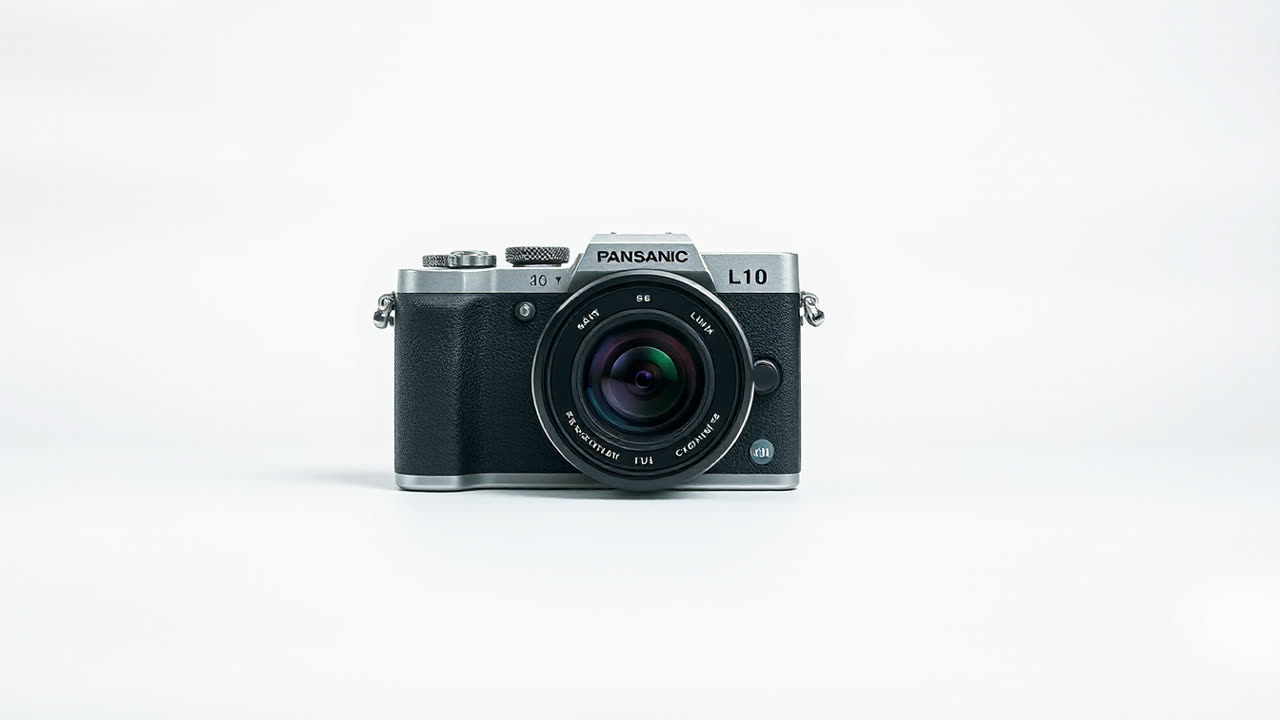
Panasonic's Lumix L10, positioned as the spiritual successor to the acclaimed LX100 II, arrived with a premium price tag of approximately $999 at its launch, promising a compelling blend of speed, image quality, and a stylish compact form factor that sought to redefine the high-end point-and-shoot segment. This camera, featuring a 20.1-megapixel 1-inch sensor, represented Panasonic’s continued commitment to the enthusiast compact market, even as smartphone photography continued its relentless advance. Its core appeal lies in a sophisticated optical design, typically boasting a fast Leica DC Vario-Summilux lens with a bright f/1.7-2.8 aperture range, offering a versatile 24-75mm equivalent focal length that caters to a wide array of shooting scenarios from wide-angle landscapes to intimate portraits. The inclusion of advanced image stabilization and robust 4K video capabilities further solidified its position as a serious tool for creators seeking portability without compromising on performance.
The L10's significance extends beyond its technical specifications; it represents a strategic play by Panasonic in a shrinking, yet lucrative, niche. In a market increasingly bifurcated between professional interchangeable lens systems and ubiquitous smartphone cameras, the L10 targets discerning photographers who value physical controls, superior optics, and a larger sensor than any phone can offer, all within a pocketable design. Its impact on users is profound, offering a tangible upgrade path for those outgrowing basic compacts or seeking a more tactile and robust shooting experience than a smartphone can provide. For industry, it underscores the enduring demand for premium compacts that deliver genuine photographic advantages, challenging the notion that dedicated cameras are obsolete. The L10 isn't merely a camera; it's a statement about the value of photographic craft and the joy of using a purpose-built imaging device in an age of computational photography.
Compared to its predecessor, the LX100 II, the Lumix L10 introduced several key enhancements, most notably a redesigned sensor and improved autofocus systems, aiming for faster performance and cleaner images, especially in challenging lighting conditions. While the LX100 II utilized a Four Thirds sensor with a multi-aspect ratio capability, the L10 opted for a 1-inch sensor, a move that sparked debate among enthusiasts regarding sensor size versus overall camera footprint and lens design. However, the L10's newer processing engine and refined image algorithms often yielded superior detail and noise control, particularly at higher ISOs, providing a noticeable bump in image quality. Against contemporary rivals like Sony’s highly successful RX100 series—specifically models like the RX100 VII or the more recent RX100 VIII (if released by 2026)—the L10 often competes on lens speed and physical control layout, where Panasonic traditionally excels, offering a more hands-on, aperture-ring-and-shutter-dial experience. Sony's offerings, conversely, frequently push boundaries with faster continuous shooting, advanced real-time tracking autofocus, and increasingly sophisticated video features, often at a similar or even higher price point. Fujifilm’s X100V and its subsequent iterations also present a strong challenge, emphasizing retro aesthetics, a larger APS-C sensor, and unique film simulations, appealing to a slightly different, yet overlapping, demographic of street and travel photographers. The L10 carved its niche by balancing a classic, understated design with modern performance, appealing to users who prioritize optical excellence and intuitive operation.
Looking ahead, the trajectory for premium compact cameras like the Lumix L10 will likely involve a continued arms race in sensor technology, processing power, and AI-driven computational photography features, even as their primary purpose remains distinct from smartphones. Panasonic could further differentiate the L10 line by integrating more advanced computational imaging techniques, such as improved dynamic range merging or advanced noise reduction, that leverage its dedicated hardware without sacrificing the "pure" photographic experience. The market will demand even faster and more reliable autofocus, perhaps incorporating more advanced subject recognition capabilities to keep pace with mirrorless systems. Furthermore, enhanced connectivity options, including seamless cloud integration and more robust wireless transfer speeds, will become standard expectations. The future iteration of the L10 might also explore modular accessories or an even more compact, perhaps even weatherproof, body design to appeal to adventurous photographers. Ultimately, Panasonic’s success in this segment hinges on its ability to continually innovate within the constraints of a compact form factor, delivering a genuinely superior photographic experience that justifies its premium price and ensures its relevance against an ever-evolving landscape of imaging technology. The L10's journey is a testament to the enduring allure of a dedicated camera designed for creators who demand both quality and convenience.