Panic Refunds Playdate Tariff Fees, Highlighting Trade Policy's Consumer Impact
Independent developer Panic has begun refunding customers for Section 301 tariff fees previously paid on its Playdate handheld console, a significant move that not only builds immense goodwill but also underscores the enduring financial complexities and consumer burden imposed by past U.S. trade policies on niche electronics.
✨ This content was summarized and interpreted by AI; it may contain errors — please verify accuracy with the original sources. Learn more
Listen to this story
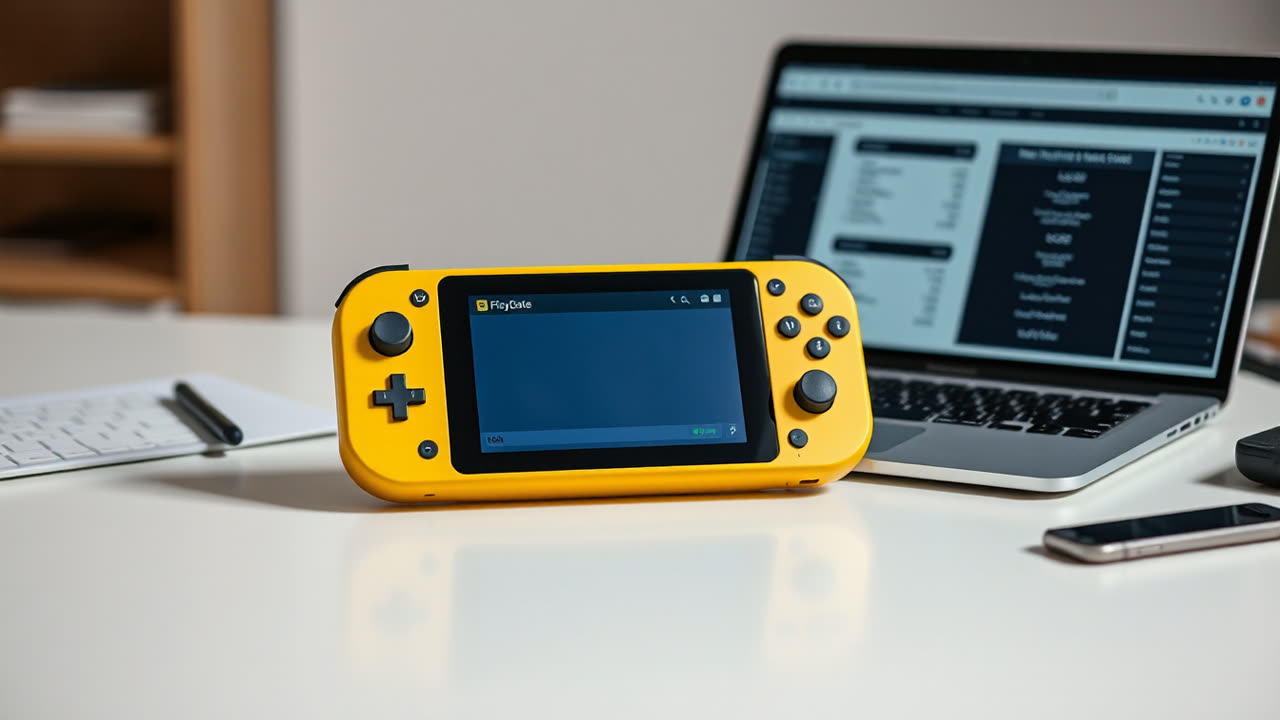
Panic, the independent developer behind the quirky yellow Playdate handheld console, has initiated refunds for tariff fees previously paid by its customers, a move that underscores the lingering financial complexities and consumer impact of the Trump administration's trade policies on consumer electronics. The company began notifying customers in late 2022 that it would reimburse the additional costs incurred due to Section 301 tariffs imposed on goods imported from China, specifically targeting the 25% levy that impacted the Playdate's manufacturing and pricing. This retroactive financial adjustment, which could amount to tens of dollars per unit, applies to all Playdate units shipped to the United States since the console's launch, with customers expecting to see these refunds processed directly to their original payment methods within several weeks.
The decision to absorb and refund these tariff costs, rather than simply passing them on or maintaining the higher price, speaks volumes about Panic’s user-centric philosophy and the unique market position of the Playdate. While larger corporations often factor such tariffs into their pricing models or leverage their supply chains to mitigate impacts, a smaller entity like Panic faces a more direct hit to its margins. By retroactively correcting pricing, Panic not only fosters immense goodwill within its dedicated community but also acknowledges the principle that consumers should not bear the brunt of geopolitical trade disputes, especially when those tariffs are potentially subject to change or re-evaluation. This move is particularly significant for a niche product like the Playdate, which, with its Crank game season model and unique monochrome screen, appeals to a passionate but often price-sensitive early adopter base. The financial transparency and accountability demonstrated by Panic could set a precedent for other smaller hardware manufacturers navigating similar tariff-related challenges, though the scale of operations makes direct comparison difficult.
The background to this situation lies in the extensive trade war initiated by the Trump administration in 2018, which saw the U.S. impose tariffs on hundreds of billions of dollars worth of Chinese imports under Section 301 of the Trade Act of 1974. These tariffs, initially justified as a response to China's "unfair trade practices" including intellectual property theft and forced technology transfer, rapidly expanded to cover a vast array of consumer goods, including electronics. While some exemptions were granted or expired, and subsequent administrations have reviewed the policy, many of these tariffs remained in effect for years, directly inflating the cost of manufacturing and importing products like the Playdate, which are predominantly assembled in China. For Panic, the initial launch price of the Playdate, set at $179, had to incorporate these unforeseen tariff costs, leading to an effective higher price point for U.S. consumers compared to what it might have been in a tariff-free environment. The refund, therefore, represents a partial unwinding of these historical economic pressures, acknowledging that the landscape has shifted or that Panic is simply in a better position to absorb these costs now.
Comparing Panic's situation to larger industry players reveals a stark contrast in capacity to absorb such shocks. Giants like Apple, Samsung, or Sony, while also affected by tariffs, possess immense supply chain leverage, diversified manufacturing bases outside China, and significant financial reserves to either negotiate better terms, relocate production, or simply absorb tariff costs with less direct impact on their bottom line or consumer pricing. For smaller companies, however, the tariffs often translate directly into higher component costs, increased shipping expenses, and ultimately, higher retail prices, making market entry and competitive pricing significantly more challenging. The Playdate, a device conceived prior to the full impact of these tariffs, found itself launching into an economic environment where its carefully calculated pricing model was immediately challenged. Panic's decision to refund is an acknowledgment of these unique pressures and a testament to their commitment to their original pricing vision, even if retroactively applied.
Looking ahead, the implications of Panic's refund decision extend beyond immediate customer satisfaction. It highlights the ongoing uncertainty surrounding U.S. trade policy with China, particularly concerning consumer electronics. While the Biden administration has largely maintained many of the Trump-era tariffs, there has been continuous debate and review regarding their effectiveness and impact on U.S. consumers and businesses. This refund could subtly pressure other companies, particularly those in the independent and niche hardware space, to re-evaluate their own tariff strategies and consumer pricing. Should the broader tariff regime be significantly altered or rescinded in the future, the precedent set by Panic might encourage similar retroactive adjustments or more transparent pricing policies. For Panic itself, this move solidifies its reputation as a company that prioritizes its community, potentially boosting future sales and brand loyalty for its innovative, if unconventional, products. It also suggests a healthier financial standing for Panic, enabling them to make such a significant goodwill gesture, perhaps indicating strong sales performance for the Playdate, which surpassed 70,000 units sold by late 2023. The long-term outlook for the Playdate, and for similar independent hardware ventures, may depend not just on innovative design and software, but also on the continued ability to navigate and adapt to the unpredictable currents of global trade policy.