Pixel 11 Leaks Confirm Substantial Price Hikes and Tensor G6 Details Ahead of Google Event
Comprehensive leaks reveal Google's Pixel 11 series will feature significant price increases across all models, driven by rising component costs, alongside a new Tensor G6 chip and incremental upgrades.
✨ This content was summarized and interpreted by AI; it may contain errors — please verify accuracy with the original sources. Learn more
Listen to this story
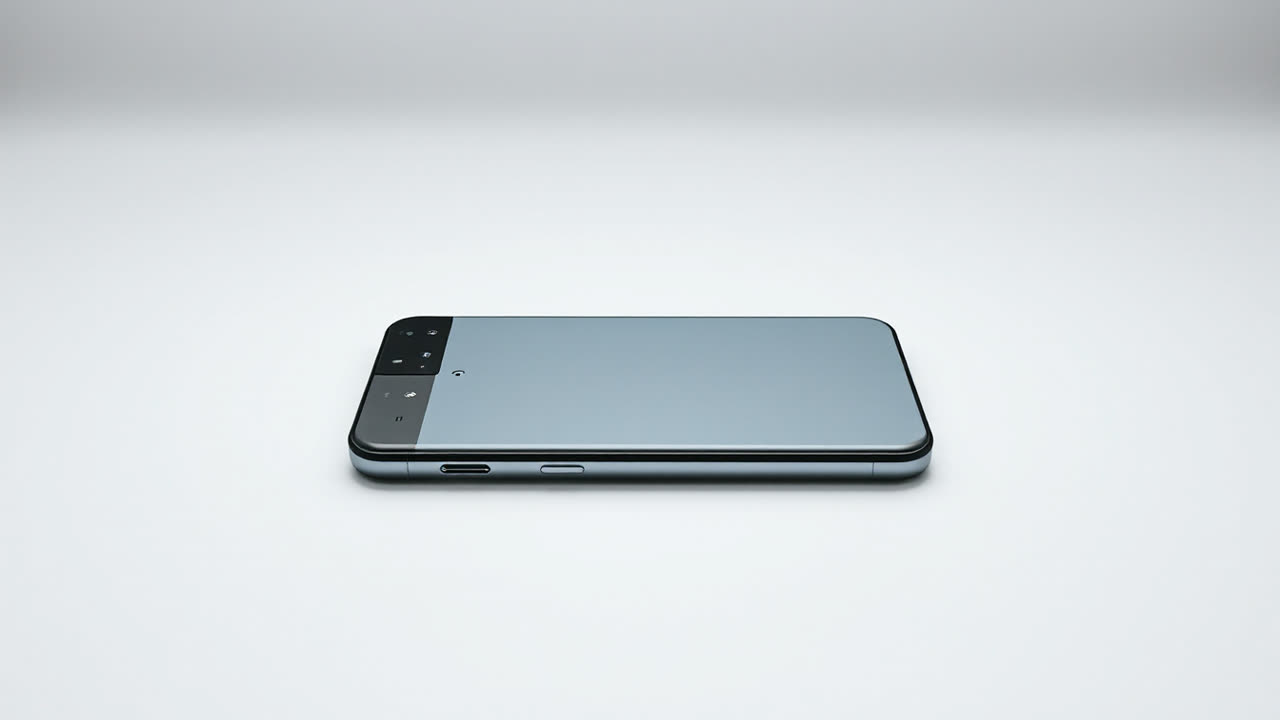
The impending August 12th Made by Google event is poised to reveal the Pixel 11 lineup, with comprehensive leaks from Android Headlines and an Amazon listing confirming a series of incremental upgrades and a notable price hike across all models. The standard Pixel 11 is expected to start at $899, a $100 increase over its predecessor, while the Pixel 11 Pro will begin at $1,099, the Pro XL at $1,299, and the Pixel 11 Pro Fold at a significant $1,899, representing a $400 jump for the foldable. These price adjustments are largely attributed to a global "RAMageddon" and surging component costs, with 1GB of RAM reportedly quadrupling in price from $2.80 in 2025 to $12 in 2026.
At the heart of the Pixel 11 series is the new Tensor G6 chip, rumored to be Google's first smartphone processor built on TSMC's advanced 2nm process. This generational leap in manufacturing node promises improved power efficiency and thermal management, crucial for sustained performance and battery life, areas where previous Tensor chips have faced criticism. The Tensor G6 reportedly features a 7-core CPU configuration, including one ARM C1 Ultra core clocked at 4.11GHz, four C1 Pro cores at 3.38GHz, and two additional C1 Pro cores at 2.65GHz, a departure from the 8-core Tensor G5. While the CPU boasts newer ARM C1 cores, the leaked GPU, a PowerVR C-Series CXTP-48-1536, has raised eyebrows as its closest publicly documented ancestor dates back to 2021, suggesting that Google might prioritize AI and overall system efficiency over raw graphical horsepower for gaming. A new MediaTek M90 modem is also expected, aiming to address persistent connectivity issues often associated with prior Samsung Exynos modems in Pixel devices.
The implications of these leaks are multifaceted for both users and the broader industry. For consumers, the price increases, while substantial, are partially mitigated by a doubling of base storage to 256GB on the Pixel 11 and Pixel 11 Pro models. However, some Pro and Pro XL configurations may see a downgrade in base RAM from 16GB to 12GB, a potentially contentious decision given Google's own stated minimum of 12GB RAM for its advanced Gemini AI features. This could force users seeking the full AI experience to opt for higher-tier, more expensive models. The consistent design language, now in its third year with the Pixel 11, features noticeably thinner bezels and an all-black camera bar, but overall aesthetics remain largely familiar. A new "Pixel Glow" RGB LED array on the back is rumored to offer novel notification interactions.
In terms of camera hardware, the Pixel 11 is expected to retain a 50MP main sensor, with the Pro and Pro XL models potentially receiving new main and telephoto sensors, though a dramatic overhaul isn't anticipated. Google's historical strength has been in computational photography, and the Tensor G6's updated Tensor Processing Unit (TPU) and image signal processor (ISP) are expected to drive "Gen 2" AI camera features like 4K Cinematic Blur and video relighting. This focus on AI-driven enhancements aligns with broader smartphone industry trends for 2026, where AI-native capabilities and agentic super-apps are becoming central.
Comparing the Pixel 11 to its predecessor, the Pixel 10, the upgrade appears iterative rather than revolutionary, primarily driven by the Tensor G6's efficiency gains and the new MediaTek modem. Owners of a Pixel 10 may find the jump less compelling, as many software features are likely to trickle down through Feature Drops. Against rivals, the Pixel 11 aims to carve its niche through a distinct user experience heavily reliant on Gemini AI integration and a clean Android 17 interface, rather than outright raw performance benchmarks where Tensor chips have historically trailed competitors like Apple's A-series or Qualcomm's Snapdragon. For instance, the iPhone 18 Pro Max is rumored to feature a larger 6.91-inch OLED display, a 5000 mAh battery, and Apple's A20 Pro chip, with a starting price of $1,299. Samsung's Galaxy S27 series, also expected in 2026, will similarly push performance and camera boundaries.
Looking ahead, the Pixel 11's success will hinge on the real-world performance of the Tensor G6 and the tangible benefits of its deeper AI integration. The emphasis on AI is not just a Google strategy; it's a defining trend for 2026, with smartphones doubling down on AI-native capabilities. If the Tensor G6 delivers substantial improvements in efficiency and on-device AI processing without significant compromises in general performance or gaming, it could solidify Google's vision for an "AI-first" smartphone experience. The potential for solid-state batteries to become mainstream by 2026-2027, as seen at CES 2026, could also dramatically impact future Pixel generations by addressing battery life concerns more comprehensively than current incremental bumps. However, with the global smartphone market facing a projected decline of 13.9% in 2026, primarily due to rising component costs and geopolitical shifts, Google's strategy of prioritizing premium, AI-centric devices at higher price points is a calculated risk in a contracting market. The Pixel 11, therefore, represents Google's commitment to its unique software and AI ecosystem, attempting to redefine the smartphone experience amidst a challenging industry landscape.