Plaud Launches Plaud One Explorer Edition AI Earbuds with Agentic Capabilities
Plaud, kişisel yapay zeka giyilebilir cihaz alanında önemli bir evrimi işaret ederek, gelişmiş konuşma kaydı, transkripsiyon ve özetleme yeteneklerini doğrudan tanıdık bir kulaklık form faktörüne entegre eden Plaud One Explorer Edition yapay zeka kulaklıklarını resmen piyasaya sürdü.
✨ This content was summarized and interpreted by AI; it may contain errors — please verify accuracy with the original sources. Learn more
Listen to this story
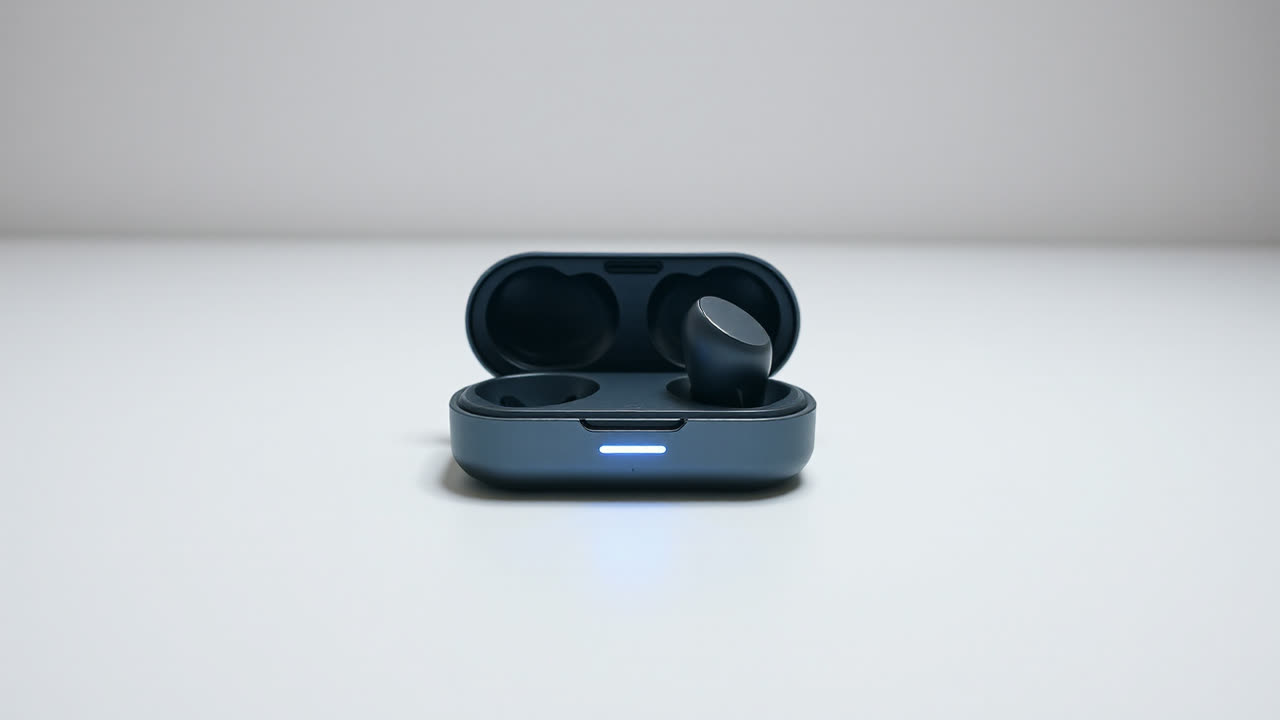
Plaud has officially launched its Plaud One Explorer Edition AI earbuds, priced at $249.99 for pre-order and expected to ship in late September or Q4 2026, marking a significant evolution in the personal AI wearable space by integrating advanced conversation recording, transcription, and summarization capabilities directly into a familiar earbud form factor. Moving beyond its earlier pin and card-style recorders, the company’s latest offering positions itself not just as a note-taker but as an "AI system" with "agentic" capabilities, designed to understand user intent in real-time and proactively take action across various digital platforms.
This shift to earbuds is not merely a change in hardware; it represents a strategic bet on the optimal interface for increasingly agentic AI, aiming to bridge the gap between pervasive AI tools and real-time human conversations. For users, the Plaud One promises a hands-free, always-ready AI assistant that can capture in-person discussions, phone calls, virtual meetings, or even personal brainstorming sessions. The device's ability to produce finished work products, from emails and documents to presentations, ready for editing, sharing, or export, offers genuine analytical value that transcends simple transcription. This means less time spent on manual post-meeting work and more on strategic tasks, potentially transforming professional workflows by maintaining persistent context across interactions and integrating with platforms like Google Calendar, Notion, Slack, Gmail, and Microsoft Teams. The inclusion of $200 in Plaud Credits with each purchase further incentivizes exploration of its agent capabilities.
Plaud's journey into AI wearables began with devices like the credit-card-sized Plaud Note and the clip-on NotePin, which focused primarily on high-quality audio recording and subsequent AI-powered transcription and summarization. The Plaud Note Pro, for instance, featured a four-microphone array and up to 30 hours of continuous recording. The Plaud One Explorer Edition significantly advances this by embedding these functions directly into earbuds, allowing for both traditional wear and use of the charging case as a recording puck placed on a table during meetings. Crucially, the earbuds feature built-in 4G eSIM, enabling recording and uploading without needing a nearby smartphone, a distinct advantage for mobility. While audio specifications for the earbuds themselves (sound quality, codecs, drivers) are notably absent from initial announcements, the focus remains squarely on the AI functionality. Battery life is rated at 6 hours for music playback (ANC off), 6 hours for in-person recording, and 3 hours for call/podcast recording, which is about average for music but could be a limiting factor for extended recording needs.
The broader AI wearable market has seen both ambitious launches and spectacular failures, providing a challenging backdrop for Plaud's entry. The $699 Humane AI Pin, for example, was discontinued in February 2025, with its cloud AI service shut down and its intellectual property acquired by HP for approximately $116 million. Widely criticized for being slow, unreliable, and expensive, the Humane AI Pin's demise serves as a cautionary tale against over-promising and under-delivering in the nascent AI hardware space. In contrast, the Limitless Pendant, a $99 wearable with a $19/month Pro plan (as of July 2026), offers searchable memory and a "Consent Mode" that chimes and pauses recording if consent isn't confirmed, addressing a critical ethical concern. However, Limitless was acquired by Meta in late 2025 and stopped selling new Pendants, though existing customers are supported. Meta's own Ray-Ban Smart Glasses (with a 4th generation expected in 2026) integrate AI and camera features, but are primarily focused on content capture rather than comprehensive conversation analysis. Other competitors, such as TicNote Pods 4G ($299.99 with built-in 4G eSIM for live summaries) and Soundcore Work AI earbuds ($159.99 with 300 free transcription minutes per month), also vie for market share, but Plaud's emphasis on agentic actions within the earbud form factor aims for a unique position.
The ethical implications of always-on recording devices remain a significant hurdle. Legal opinions, particularly for professionals like attorneys, emphasize the necessity of disclosing recording intentions and obtaining consent from all participants, noting that recording without all-party permission can lead to criminal or civil liability. Plaud addresses this by incorporating a visible light indicator on the charging case when recording is in progress. However, the broader societal comfort with ambient AI recording, data storage, and the potential for misuse will continue to shape adoption.
Looking ahead, the Plaud One Explorer Edition signifies a crucial step towards the "agent era," where AI assistants are deeply embedded in daily life, moving beyond reactive commands to proactive assistance. The success of Plaud and similar devices will hinge on robust AI performance, seamless integration with existing digital ecosystems, and, critically, transparent and trustworthy privacy practices. If Plaud can deliver on its promise of reliable agentic capabilities and navigate the complex ethical landscape, it could set a new standard for personal AI, prompting other earbud manufacturers to follow suit and further blurring the lines between audio devices and intelligent personal assistants. The challenge lies in proving that this convenience does not come at the cost of privacy or reliable functionality, a lesson hard-learned by its predecessors.