PlayStation 5 DualSense Controller Faces Persistent Durability Challenges: Battery Life and Stick Drift Frustrate Users
The PlayStation 5 DualSense controller, despite its innovative features, faces persistent longevity challenges, primarily due to significantly shorter battery life and widespread 'stick drift,' leading to user frustration and premature replacements.
✨ This content was summarized and interpreted by AI; it may contain errors — please verify accuracy with the original sources. Learn more
Listen to this story
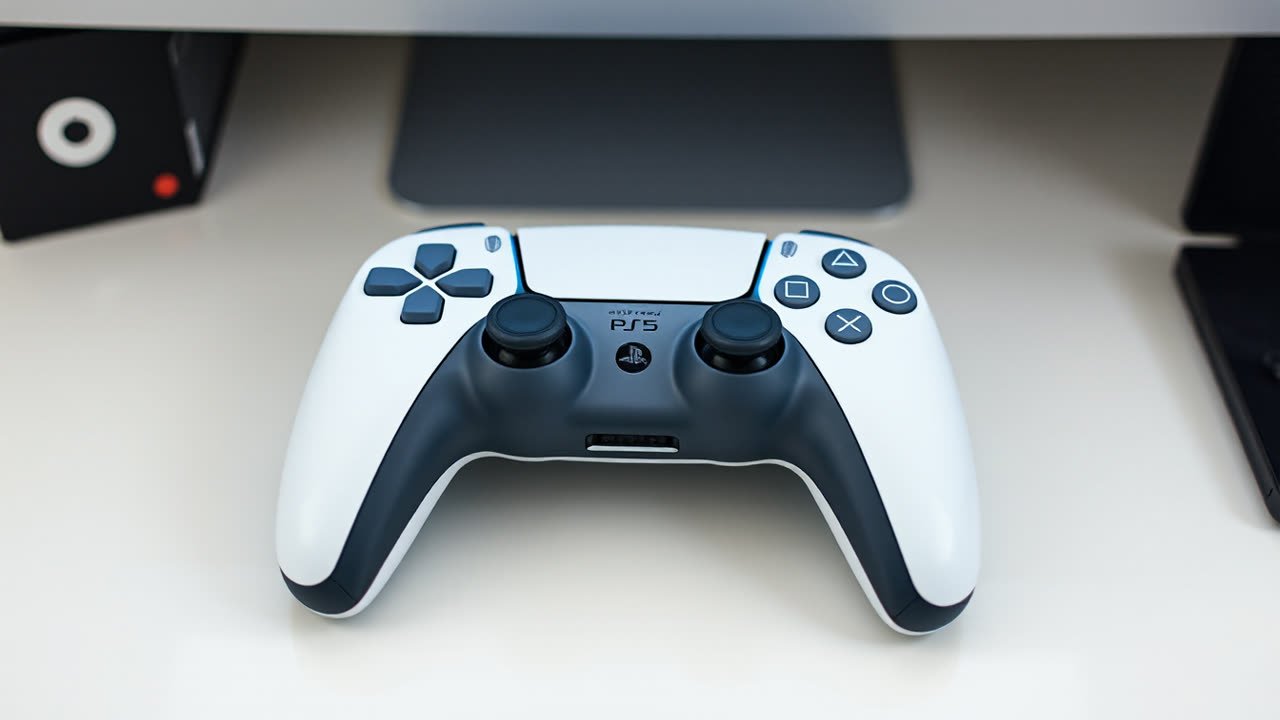
The PlayStation 5 DualSense controller, a hallmark of the console's immersive haptic feedback and adaptive triggers, faces persistent longevity challenges that significantly impact user experience and raise industry-wide questions about peripheral durability. While its innovative features set new standards for immersion, concerns around battery degradation and the prevalence of 'stick drift' continue to plague the device, often leading to premature replacements and user frustration.
Battery life remains a primary point of contention for DualSense owners. Anecdotal reports and professional reviews consistently highlight a operational lifespan significantly shorter than its predecessor, the DualShock 4. While the DualShock 4 could typically offer 7-10 hours of gameplay on a full charge, the DualSense often provides only 4-8 hours, depending on the intensity of haptic feedback and adaptive trigger usage. This reduced endurance is directly attributable to the power demands of its advanced haptic motors and dynamic triggers, which, while enhancing gameplay, drain the integrated 1,560 mAh battery more rapidly than conventional rumble motors. Over time, lithium-ion batteries naturally degrade, meaning that even the initial modest battery life can diminish further within 18-24 months of regular use, forcing players to frequently recharge or resort to wired play. This necessitates a fundamental trade-off between cutting-edge features and sustained wireless freedom, a compromise that many users find inconvenient given the controller's premium price point.
Beyond battery woes, the DualSense is susceptible to the notorious 'stick drift' phenomenon, a problem that has plagued modern controllers across the industry. This mechanical defect occurs when the controller registers input from the analog sticks even when they are not being touched, leading to unintended character movement or camera drift in games. The root cause often lies in the potentiometer components used in the analog sticks, which can wear out due to repeated friction and accumulate dust or debris, leading to inaccurate readings. While not universal, the incidence of stick drift in DualSense controllers has been significant enough to prompt class-action lawsuits against Sony in various regions, highlighting a systemic concern rather than isolated manufacturing defects. The average lifespan before stick drift manifests can vary wildly, from a few months to over a year, but its potential to render a controller effectively unusable is a major concern for consumers.
This longevity crisis carries substantial implications for both users and the gaming industry. For consumers, the need for frequent controller replacements, typically costing around $70-$75 for a new DualSense, adds an unbudgeted expense to their gaming ecosystem. This recurring cost can erode the perceived value of the PlayStation 5 console itself, especially when comparing it to rivals. Environmentally, the rapid obsolescence of controllers contributes to electronic waste, a growing global concern. From an industry perspective, persistent durability issues can damage brand loyalty and reputation. While Sony has released minor revisions, such as the DualSense Edge, which offers replaceable stick modules, its significantly higher price point of $199.99 makes it an inaccessible solution for the average gamer facing drift issues. This suggests a premium solution to a pervasive problem that should ideally be addressed in the standard offering.
Comparing the DualSense to its predecessors and rivals illuminates the challenge. The DualShock 4, while not entirely immune to drift, generally had a more robust reputation for longevity, partly due to less complex internal mechanics and lower power draw. Against its primary competitor, the Xbox Wireless Controller, the DualSense's battery life often falls short, as Xbox controllers typically utilize AA batteries, allowing users to easily swap them for fresh ones or use rechargeable packs that can last significantly longer per charge. Nintendo's Joy-Cons for the Switch have also faced widespread stick drift issues, leading to similar consumer dissatisfaction and legal challenges, indicating that this is an industry-wide engineering hurdle rather than a Sony-specific oversight. However, the DualSense's advanced features mean its degradation feels more pronounced given the initial high expectations.
Looking ahead, the trajectory for controller longevity demands significant innovation. Sony will likely need to explore more durable analog stick components, potentially moving away from traditional potentiometer-based designs to Hall effect sensors, which use magnets and electrical current to detect position, eliminating physical contact and thus friction-based wear. Several third-party manufacturers have already begun implementing Hall effect joysticks in their premium controllers, demonstrating the viability of this technology. Furthermore, improving battery technology or offering easily replaceable battery packs could extend the useful life of the controller without sacrificing its signature haptic and adaptive trigger features. Software updates might also play a role in optimizing power consumption. Ultimately, the next generation of DualSense, or a significant revision, must prioritize not just groundbreaking features, but also the fundamental durability and repairability that define a truly premium peripheral, ensuring that the immersive experience isn't curtailed by premature hardware failure.