PlayStation's Pulse Elevate Speakers Challenge Home Theater with 3D Audio
Sony's new $220 Pulse Elevate wireless speakers extend PlayStation's proprietary 3D audio ecosystem into the living room, offering an immersive spatial sound experience without headphones.
✨ This content was summarized and interpreted by AI; it may contain errors — please verify accuracy with the original sources. Learn more
Listen to this story
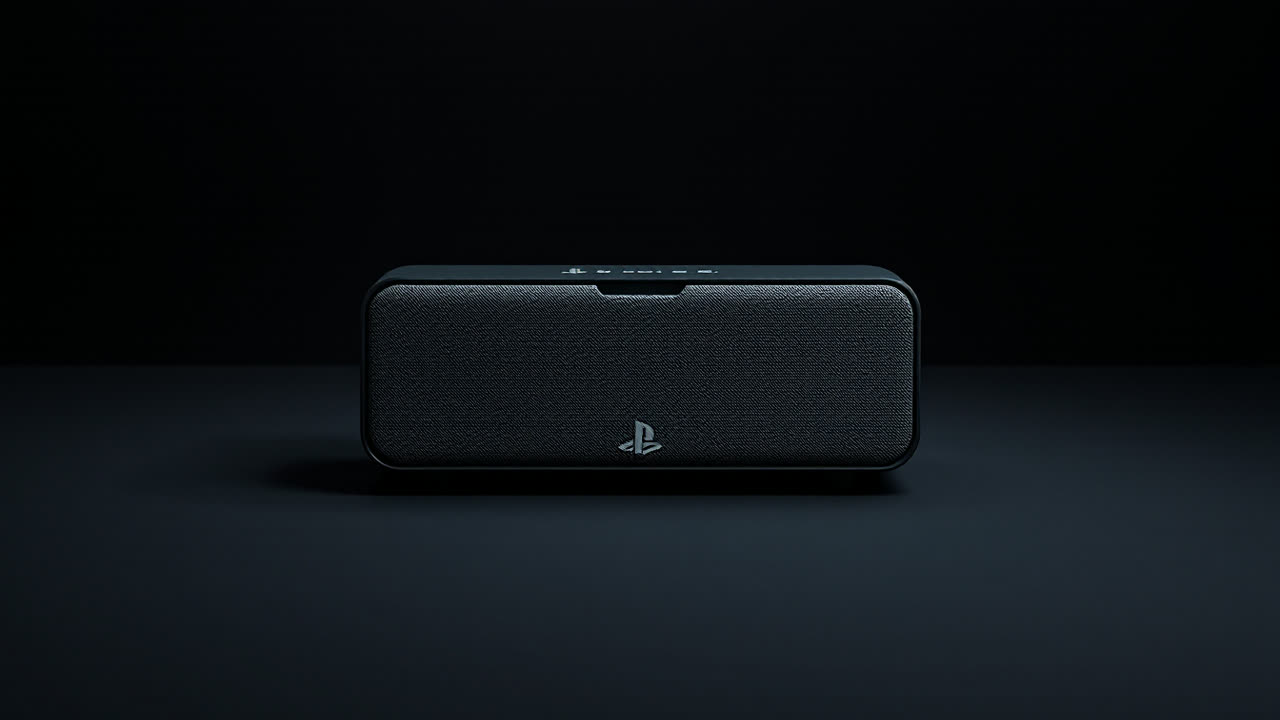
PlayStation's new Pulse Elevate wireless speakers, priced at $220 and set to launch on November 12, represent a significant strategic move by Sony to extend its proprietary audio ecosystem beyond headsets and into the living room, directly challenging traditional home theater setups and PC gaming speaker solutions. This standalone audio system, distinct from the company's existing Pulse 3D and Pulse Elite headsets, aims to deliver an immersive, spatial audio experience without requiring users to wear headphones, a crucial distinction for shared gaming environments or those who prefer open-air sound. The Elevate’s arrival is not merely an expansion of PlayStation's peripheral lineup; it signifies Sony's deepening commitment to 3D audio as a core differentiator for its gaming consoles, particularly the PlayStation 5, and an attempt to capture a larger share of the premium audio market within its user base.
The core of the Pulse Elevate’s appeal lies in its promise of PlayStation's Tempest 3D AudioTech delivered through a speaker format. While the exact driver configuration and acoustic design details are still emerging, the speaker is expected to leverage advanced digital signal processing to create a perceived three-dimensional soundscape, allowing players to pinpoint in-game audio cues like footsteps or distant gunfire with greater accuracy and immersion than conventional stereo or even some surround sound systems. This is a direct evolution from the audio experience offered by the Pulse 3D headset, which has been a staple for PS5 owners seeking spatial audio. The Elevate, however, frees the player from the confines of a headset, offering a more communal and less fatiguing audio solution for extended gaming sessions. Its wireless connectivity, likely utilizing a low-latency proprietary dongle similar to the Pulse Elite, is paramount for gaming, where even milliseconds of delay can impact competitive play.
This launch matters profoundly for both users and the industry. For users, it offers an alternative to the often-isolating experience of gaming headsets, providing a high-fidelity sound solution that integrates seamlessly into the PlayStation ecosystem. It caters to a segment of gamers who desire premium audio but prefer not to wear headphones, or who want to share the immersive sound experience with others in the room. The $220 price point positions it above many entry-level soundbars but below high-end audiophile speakers, placing it squarely in the premium gaming accessory category. This pricing strategy suggests Sony is confident in the value proposition of its proprietary 3D audio technology and ecosystem integration. For the industry, the Pulse Elevate could catalyze broader adoption of dedicated gaming speaker systems, pushing rivals like Microsoft to consider similar first-party audio hardware that leverages their respective console's audio processing capabilities. It also puts pressure on third-party audio manufacturers to innovate further in spatial audio delivery for gaming, particularly in wireless, low-latency formats. Currently, many premium gaming speaker solutions are tethered to PCs or rely on more generic Bluetooth connections, often introducing latency unsuitable for competitive gaming.
Historically, PlayStation's audio offerings have primarily focused on headsets, with the Pulse 3D headset becoming a popular companion for the PS5 due to its integration with the console's Tempest 3D AudioTech. The Pulse Elevate represents a significant departure, moving into the home speaker domain, a territory traditionally dominated by general-purpose soundbars or more elaborate home theater systems. In comparison to rivals, Xbox has largely relied on third-party partners for its audio solutions, without a direct first-party speaker system leveraging its spatial audio technologies like Dolby Atmos for Headphones or Windows Sonic in a dedicated hardware form factor. PC gaming has a robust market for high-end speakers from brands like Logitech, Razer, and Creative, which often feature virtual surround sound or advanced subwoofers. However, few offer the tight, low-latency integration with a specific console's 3D audio engine that the Pulse Elevate promises. The Elevate’s direct competition will likely come from compact gaming soundbars or 2.1 speaker systems that attempt to deliver a wide soundstage, though often without the console-specific 3D audio optimization Sony is touting. Its wireless nature also sets it apart from many wired PC gaming speaker setups, offering greater flexibility in room placement.
Looking ahead, the Pulse Elevate could be the vanguard of a more comprehensive PlayStation audio ecosystem. Sony's investment in both the Pulse Elite headset, known for its planar magnetic drivers, and now the Elevate speakers, indicates a clear strategy to offer diverse premium audio experiences tailored to different user preferences. We can anticipate future iterations or complementary products that further enhance the living room gaming audio experience, potentially including multi-speaker setups or deeper integration with PlayStation VR2 for unparalleled spatial immersion. The success of the Elevate will also likely influence the development of 3D audio standards across the broader consumer electronics landscape, as more users experience and demand truly spatial sound. Furthermore, Sony might explore partnerships with content creators and game developers to optimize sound mixes specifically for the Elevate, pushing the boundaries of in-game audio design. The $220 Pulse Elevate is more than just a speaker; it's a statement about the future of immersive console gaming, where sophisticated audio becomes as crucial as high-fidelity visuals in defining the player experience.