Proposed US Bill to Force ISPs and VPNs to Block Piracy Sites Sparks Major Concerns
A 2024 federal bill aimed at compelling U.S. internet providers and VPNs to block foreign piracy sites immediately raised significant concerns over technical feasibility, user privacy, and potential overreach.
✨ This content was summarized and interpreted by AI; it may contain errors — please verify accuracy with the original sources. Learn more
Listen to this story
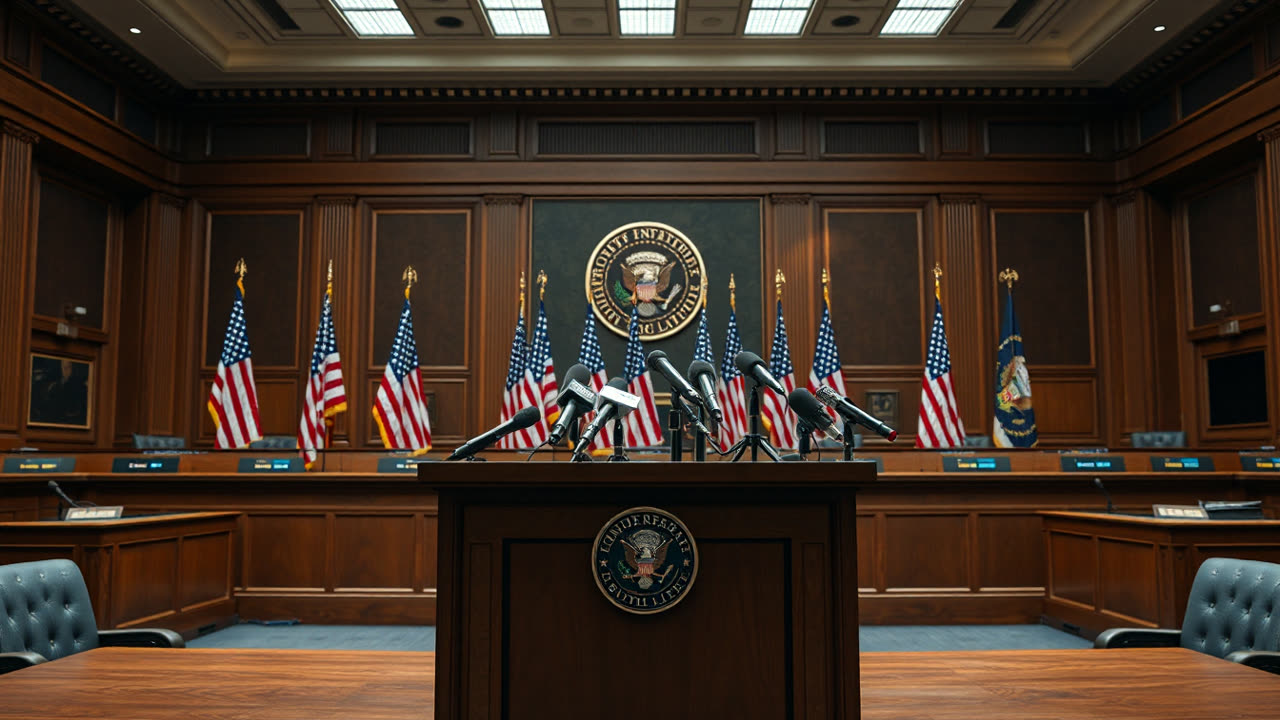
A proposed federal bill from 2024 aiming to compel U.S.-based internet service providers (ISPs), DNS services, and VPN providers to actively block access to foreign piracy sites highlights a persistent legislative ambition to curb online copyright infringement, yet it immediately raised significant concerns over technical feasibility, user privacy, and the potential for overreach. This legislative push, which gained traction around September 2024, sought to empower rights holders to obtain court orders for site blocking, shifting the enforcement burden directly onto internet infrastructure providers. The core challenge, as identified by critics, lay in the bill's ambiguous definition of what constitutes a site "from the United States" and the practicalities of enforcing such broad blocking mandates across diverse internet services.
The implications for users are substantial, threatening to fundamentally alter the internet experience by introducing a layer of state-mandated censorship under the guise of copyright protection. For millions who rely on VPNs for legitimate privacy and security reasons, the proposal would undermine a core function of these services: to circumvent geographical restrictions and protect user anonymity. If VPN providers are forced to implement blocking, their ability to offer truly private and unrestricted internet access would be severely compromised, potentially leading to a bifurcated internet where "safe" compliant VPNs offer a filtered experience, while less regulated alternatives might proliferate in a legal gray area. This could erode trust in established VPN services and push users towards less secure options. Furthermore, the "murky" definition of a U.S.-based site creates a chilling effect, potentially leading to over-blocking of legitimate content or services that are merely hosted in the U.S. but primarily serve international audiences, or vice-versa.
For the industry, the bill presented a quagmire of technical and legal challenges. ISPs and DNS providers already engage in some level of content filtering for child protection or malware, but implementing broad, dynamic site-blocking for copyright infringement at scale is a far more complex undertaking. It requires constant monitoring, rapid response to new court orders, and significant infrastructure investment. The costs associated with compliance, including legal fees, technical upgrades, and personnel, would likely be passed on to consumers. For VPN providers, the mandate to block specific sites directly contradicts their fundamental value proposition of providing unrestricted internet access and protecting user privacy. Such a requirement would force them to log user activity or destination requests to ensure compliance, a practice many explicitly promise to avoid. The bill's potential to force VPNs to discriminate based on content or origin would fundamentally reshape their business model and user trust.
Historically, the United States has grappled with various legislative attempts to combat online piracy, notably the Stop Online Piracy Act (SOPA) and the PROTECT IP Act (PIPA) in 2012, both of which faced widespread public and industry opposition and ultimately failed. These bills also proposed site-blocking mechanisms and were criticized for their potential to stifle innovation and infringe upon internet freedom. The 2024 proposal echoed many of these concerns, suggesting a persistent legislative appetite for aggressive anti-piracy measures despite past failures and current technological realities. While other countries, such as the UK and Australia, have implemented court-ordered site blocking for copyright infringement, these systems typically target ISPs and do not extend to VPN providers in the same explicit manner proposed by the U.S. bill. The global nature of VPN services makes unilateral national blocking mandates particularly difficult to enforce without significant international cooperation or extraterritorial jurisdiction claims.
As of late 2026, the specific federal bill from 2024 requiring VPNs, ISPs, and DNS services to block foreign piracy sites has not progressed into law, nor has a direct successor with identical provisions been widely reported as enacted. The significant opposition it faced, particularly regarding the technical impracticalities and civil liberties implications, likely contributed to its stagnation. However, the underlying desire to combat online piracy remains strong among rights holders and some legislators. Future legislative efforts are likely to continue exploring mechanisms for combating piracy, potentially focusing on more narrowly defined mandates or exploring international agreements rather than unilateral domestic blocking requirements on VPNs. The debate will persist, centering on balancing copyright enforcement with the principles of an open internet, user privacy, and the practical limitations of internet infrastructure. Any future bill that attempts to force blocking on VPN providers will undoubtedly face similar, if not intensified, scrutiny from tech companies, privacy advocates, and the public, highlighting the enduring tension between content protection and digital freedom.