Qronge X1 Spark L: A $1,299 Challenger to the Sur-Ron Light Bee X
The Qronge X1 Spark L enters the budget e-moto market at an aggressive $1,299, directly challenging the $4,500 Sur-Ron Light Bee X, democratizing access to electric off-road riding for a new generation while raising critical questions about safety, component quality, and regulatory compliance. This disruptive pricing will reshape the industry, but its long-term success hinges on balancing affordability with essential safety and navigating complex legal landscapes to avoid potential growth-stifling restrictions.
✨ This content was summarized and interpreted by AI; it may contain errors — please verify accuracy with the original sources. Learn more
Listen to this story
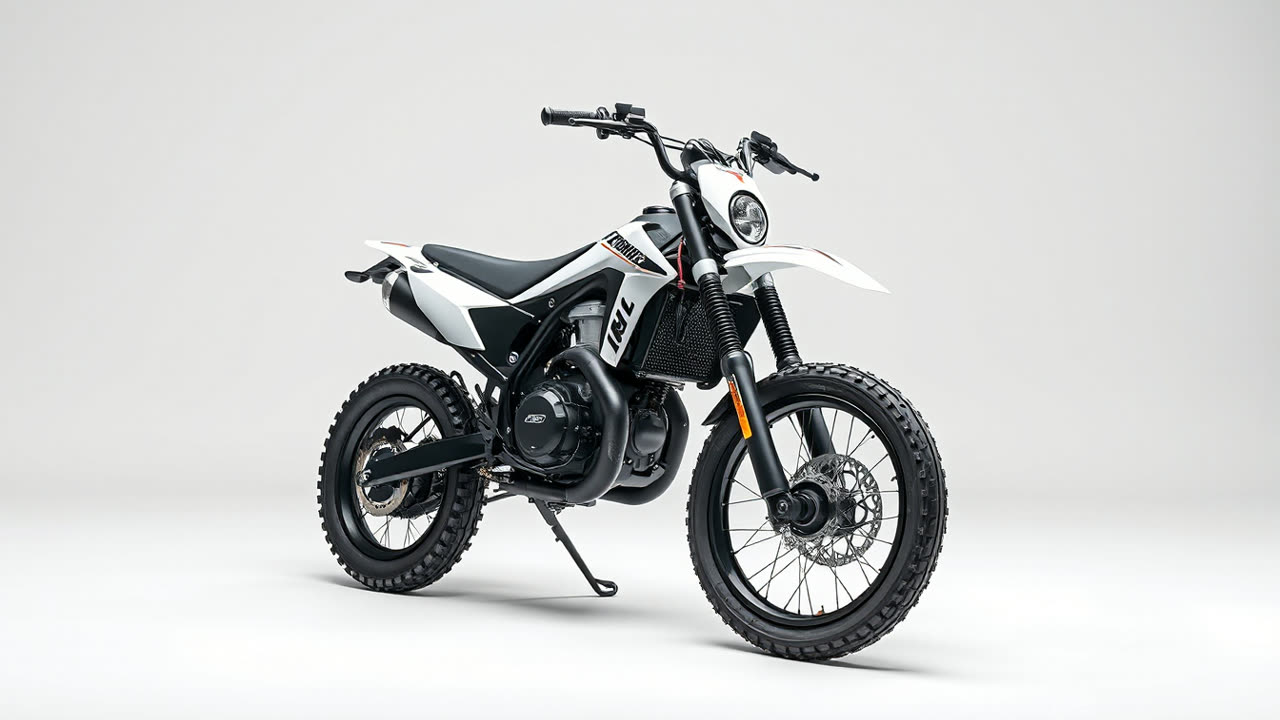
The Qronge X1 Spark L enters the burgeoning budget e-moto market at an aggressive $1,299, directly challenging the established Sur-Ron Light Bee X, which typically commands a price point closer to $4,500. This significant price differential, representing a nearly 70% reduction, immediately positions the Spark L as a disruptive force, particularly targeting the rapidly expanding pre-teen and suburban e-moto demographic. The core question, however, is whether Qronge has judiciously "cut the right corners" to achieve this price without compromising critical performance, durability, or safety, especially given the intended user base.
The impact of such an affordable alternative is multifaceted, fundamentally reshaping user accessibility and industry dynamics. For users, especially younger riders and their parents, the Spark L makes the thrill of electric off-road riding significantly more attainable. Where a Sur-Ron Light Bee X might have been a aspirational luxury, the Spark L's price point shifts it into the realm of a plausible recreational purchase, akin to high-end bicycles or entry-level ATVs. This democratizes access, potentially introducing a new generation to electric powersports at a formative age. However, this accessibility comes with inherent risks. The lower price point often translates to compromises in component quality, such as less robust frames, lower-grade battery cells, or less sophisticated motor controllers, which could affect long-term reliability and, critically, safety during aggressive riding. The lack of standardized safety features or rigorous third-party certifications often associated with ultra-low-cost imports raises legitimate concerns, particularly when these bikes are ridden by inexperienced minors in environments not designed for them, such as suburban streets or local parks. The sheer volume of these new, inexpensive e-motos also exacerbates existing legal and safety debates surrounding their use, as many jurisdictions struggle to classify them—are they bicycles, mopeds, or dirt bikes—and enforce appropriate regulations regarding helmets, age limits, and permissible riding areas.
Comparing the Qronge X1 Spark L to its more premium rival, the Sur-Ron Light Bee X, highlights the trade-offs inherent in its budget-friendly design. The Light Bee X, for instance, typically features a robust aluminum alloy frame, a peak power output often around 6 kW, and a top speed approaching 45-50 mph, powered by a 60V 34Ah Panasonic battery pack. Its suspension systems are generally higher quality, offering better absorption and adjustability for varied terrains. While specific benchmarks for the Qronge X1 Spark L are emerging, initial reviews suggest it likely offers lower power output and a reduced top speed, perhaps in the 30-35 mph range, with a smaller capacity battery and less sophisticated motor management to meet its price target. The frame materials might be less advanced, and suspension components could be basic, non-adjustable units. These differences are not merely about speed; they affect ride quality, handling, and the bike's ability to withstand repeated impacts and stresses of off-road use. The Light Bee X also benefits from a more established aftermarket support ecosystem and a reputation built over several years of market presence. The Qronge, by contrast, needs to prove its durability and build a similar support network, a challenge for any new entrant aiming for high volume at low cost.
The industry impact extends beyond individual users. The proliferation of ultra-affordable e-motos like the Spark L could force established manufacturers to re-evaluate their entry-level offerings and pricing strategies, potentially stimulating innovation in cost-effective manufacturing without sacrificing essential quality. It also fuels a secondary market for accessories, upgrades, and repairs, though the availability of compatible parts for proprietary budget components remains a question mark. Furthermore, this trend accelerates the shift towards electric propulsion in the broader powersports segment, normalizing e-motos as a legitimate and exciting alternative to gasoline-powered dirt bikes, especially for recreational use. However, the regulatory landscape remains a critical hurdle. As more of these bikes hit suburban environments, local authorities are increasingly pressured to define clear rules for their operation, which could include stricter age restrictions, mandatory safety gear, and designated riding zones. Failure to address these issues proactively could lead to blanket bans or severe restrictions, stifling the growth of this otherwise promising segment.
Looking ahead, the market for low-cost Sur-Ron alternatives is poised for continued explosive growth, driven by technological advancements that further reduce battery and motor costs, coupled with increasing consumer demand for accessible electric recreation. We can anticipate a greater divergence in the market: premium brands will continue to innovate with higher performance and advanced features, while budget brands will push the boundaries of affordability, potentially integrating smarter safety features or geo-fencing capabilities to address regulatory concerns. The emphasis for these budget models will shift from merely "cheap" to "value-engineered," where manufacturers become adept at identifying non-critical components for cost reduction while maintaining a baseline of safety and performance. We may also see the emergence of hybrid models that offer modular upgrades, allowing consumers to invest in better batteries or suspension components over time. Ultimately, the success of bikes like the Qronge X1 Spark L will hinge on their ability to build a reputation for acceptable reliability and, crucially, to navigate the complex and evolving regulatory environment, ensuring that accessibility does not come at the expense of safety or community harmony.