Rare Two-Player Computer Space Arcade Machine Expected to Fetch Up to $150,000 at Auction
The world's first commercially sold video game, a rare two-player Computer Space arcade machine, is set to command an estimated $100,000 to $150,000 at a Bonhams auction, underscoring the escalating value of foundational retro technology and its pivotal role in shaping digital entertainment history.
✨ This content was summarized and interpreted by AI; it may contain errors — please verify accuracy with the original sources. Learn more
Listen to this story
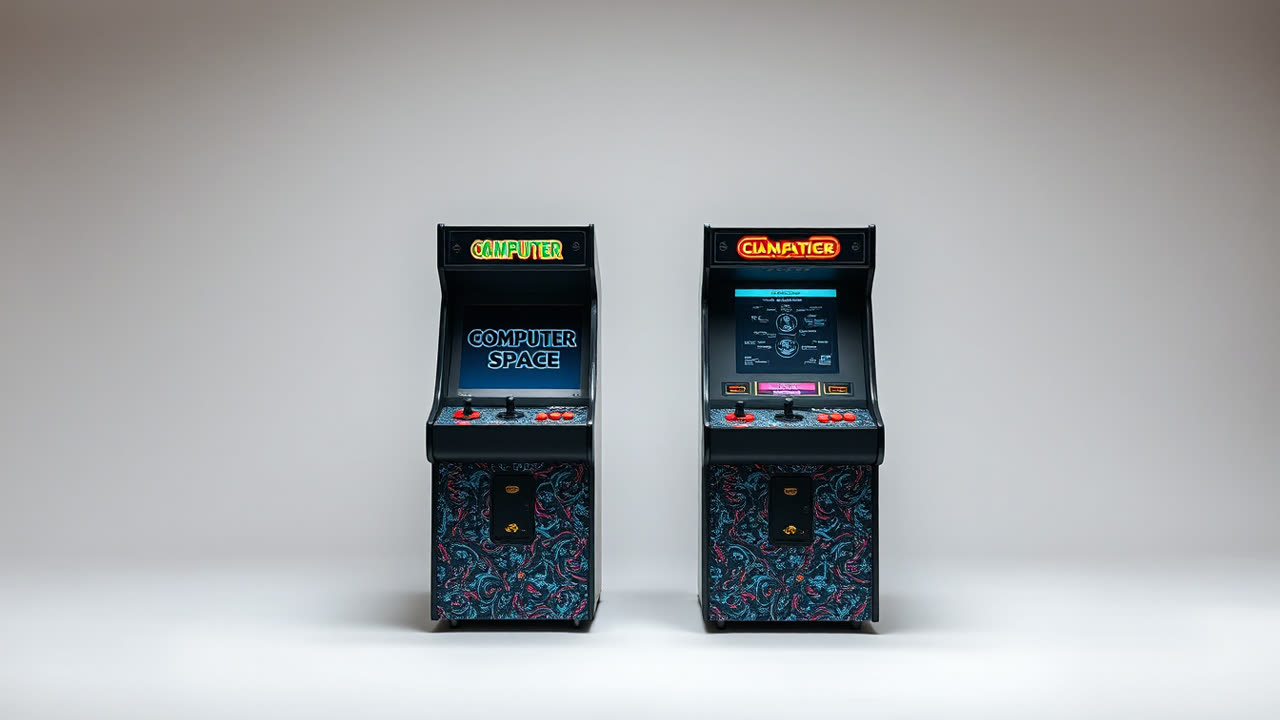
A rare two-player Computer Space arcade machine, a pivotal artifact in the genesis of the video game industry, is currently poised to command a significant sum at auction, highlighting the burgeoning value placed on foundational retro technology. This specific unit, distinguished by its iconic sparkly cabinet and a cameo in the 1973 sci-fi film *Soylent Green*, is a centerpiece of an ongoing retro tech auction titled "The Steve Jobs Revolution: A Design Legacy," hosted by Bonhams, with bidding concluding on August 15, 2026. The machine, estimated to fetch between $100,000 and $150,000, represents not just a collectible, but a tangible link to the very dawn of interactive digital entertainment.
This auction is not merely about a vintage arcade cabinet; it underscores a profound re-evaluation of early computing and gaming hardware as cultural touchstones. *Computer Space*, released in 1971 by Nutting Associates, holds the distinction of being the world's first commercially sold arcade video game, predating Atari's wildly successful *Pong* by a year. Conceived by Nolan Bushnell and Ted Dabney, who would later co-found Atari, *Computer Space* introduced the concept of coin-operated electronic gaming to the public. Its relative commercial failure compared to *Pong*—selling only around 1,300 units versus *Pong*'s tens of thousands—was largely attributed to its complex controls and steep learning curve, requiring players to manipulate a spaceship to shoot flying saucers. This particular two-player variant is exceptionally rare, as most surviving units are the more common single-player version, further amplifying its historical and monetary value.
The significance of this machine extends beyond its scarcity; it embodies the entrepreneurial spirit and technological innovation of the early 1970s, a period that laid the groundwork for the personal computing revolution. The auction's broader theme, "The Steve Jobs Revolution," implicitly links this early gaming innovation to the later explosion of personal computers, with Jobs himself having a notable early career stint at Atari, gaining formative experiences in product development and user interface design. While Jobs had no direct involvement with *Computer Space*, its presence in an auction themed around his legacy serves to contextualize the rapid evolution of digital technology. The "sparkly cabinet," a design choice intended to attract attention in dimly lit arcades, highlights the nascent understanding of user engagement and product aesthetics in a nascent industry. The *Soylent Green* cameo further cements its place in pop culture history, offering a glimpse into how early video games were perceived in a futuristic, dystopian vision.
Compared to its immediate successor, *Pong*, *Computer Space* offered a more intricate gameplay experience but suffered from a lack of immediate accessibility. *Pong*'s intuitive "paddle and ball" mechanics proved to be a masterstroke in user-friendly design, catapulting it to unprecedented commercial success and firmly establishing the arcade video game as a viable entertainment medium. The market's initial lukewarm reception to *Computer Space* ultimately informed Bushnell's approach to *Pong*, emphasizing simplicity and instant gratification. This evolutionary leap from *Computer Space*'s complex controls to *Pong*'s elegant simplicity illustrates a crucial early lesson in product market fit within the tech industry.
Looking ahead, the successful auction of this *Computer Space* machine is likely to reinforce the growing trend of high-value retro tech collecting. As the pioneers of the computing and gaming eras age, so too do the artifacts of their innovation become increasingly rare and coveted. The market for vintage computers, early video game consoles, and foundational arcade machines has seen a steady increase in value, driven by both nostalgic collectors and institutional preservationists. Auctions like this not only set new benchmarks for historical hardware but also bring renewed attention to the importance of preserving these physical tokens of digital history. We can expect to see further investment in the restoration and documentation of early tech, potentially leading to more specialized museums and academic interest in the socio-economic impact of these foundational technologies. The future of retro tech collecting will likely involve a continued appreciation for items that represent "firsts" or pivotal moments in technological evolution, ensuring that pieces like the two-player *Computer Space* machine remain highly sought-after cultural and financial investments.