Ray-Ban Meta Smart Glasses: Widespread Adoption, Escalating Privacy Risks
Meta's popular Ray-Ban smart glasses, despite their advanced features and mainstream success, are sparking a profound and escalating privacy crisis due to insufficient safeguards and opaque AI data processing.
✨ This content was summarized and interpreted by AI; it may contain errors — please verify accuracy with the original sources. Learn more
Listen to this story
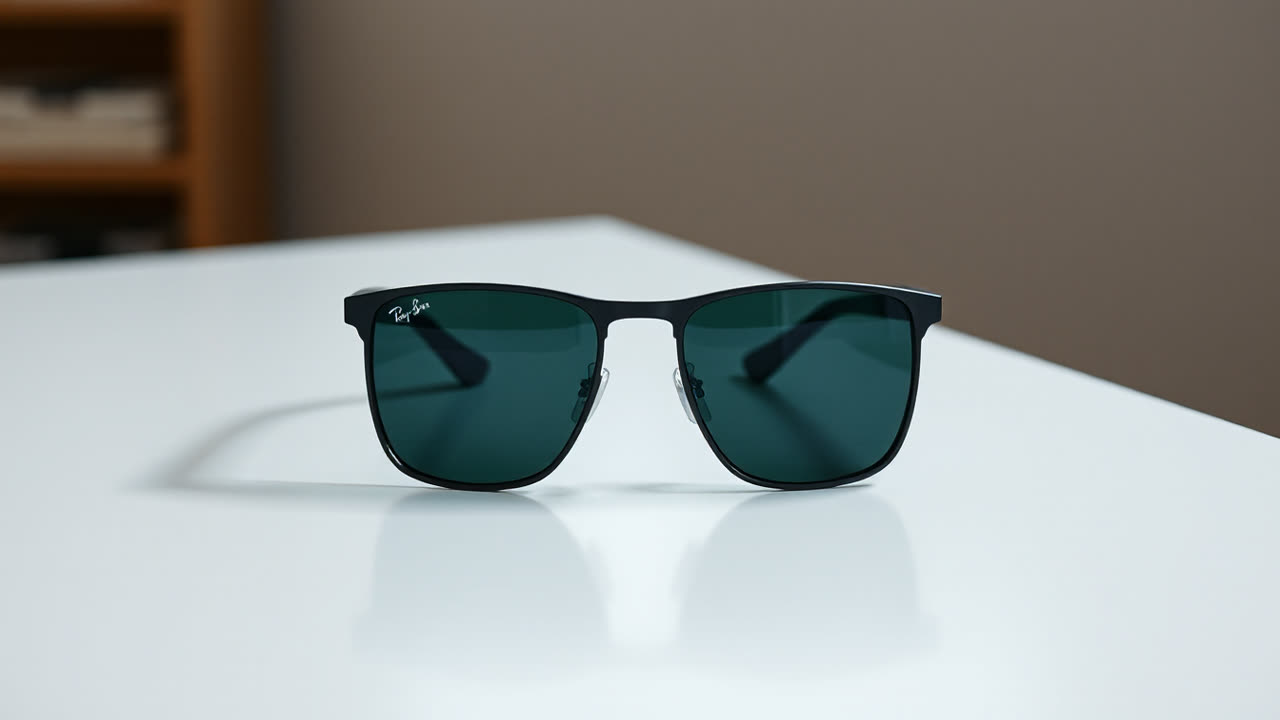
Meta's Ray-Ban smart glasses, having sold over 7 million pairs in 2025, represent a significant leap in wearable technology, integrating hands-free cameras, microphones, and advanced AI capabilities directly into a fashion accessory, yet this widespread adoption comes at a profound and escalating cost to public and personal privacy. While Meta champions features like hands-free photo and video capture, live streaming, object identification, and real-time AI prompts, the core design and evolving functionalities inherently create a surveillance dilemma that neither current safeguards nor social norms are adequately equipped to address.
The most tangible privacy safeguard, a small, visible LED light intended to alert bystanders when the glasses are recording, has proven largely insufficient. Critics argue this indicator is too subtle to provide meaningful notice, especially in various lighting conditions, and can be easily circumvented. Reports indicate a thriving market for aftermarket accessories and even DIY modifications that can block or disable the LED without triggering Meta's detection systems, allowing users to record in stealth mode. Although Meta issued a software update to disable the camera if it detects the LED has been physically tampered with, and Instagram has banned users who post videos of harassment with altered glasses, these reactive measures struggle to keep pace with the ingenuity of those seeking to record covertly.
The privacy implications deepen significantly with the glasses' integrated AI features. When users engage Meta AI — for instance, by saying "Hey Meta, what am I looking at?" — captures are sent to Meta for analysis and AI model training. Crucially, Meta employs third-party contractors to review and label this footage, and disturbing reports have emerged of these contractors reviewing extremely sensitive content, including individuals using the bathroom, changing clothes, or exposing personal financial details like credit card numbers. Contractors have also reported that Meta's automated blurring systems often fail, leaving identifiable information exposed. Furthermore, voice commands are recorded by default for AI training and require manual deletion by the user, representing a continuous stream of potentially private audio data. Meta's privacy policy, updated in April 2025, expanded data collection and made these AI features default, shifting the onus of privacy protection onto the user to opt-out, rather than building privacy in by design.
This convergence of discreet design, advanced recording capabilities, and opaque AI processing creates a profound societal impact. The widespread use of Ray-Ban Meta glasses has ignited concerns about non-consensual filming, particularly of women in public spaces, leading to the glasses being dubbed "pervert glasses" by some. This erosion of public trust and the social contract is palpable; a 2026 report found that 30% of people are more concerned about connected devices collecting data than they were a year prior. Bystanders often remain unaware they are being recorded, fundamentally altering expectations of privacy in public and even semi-private spaces where smart glasses might be inadvertently left on. While the glasses offer genuine accessibility benefits, such as multimodal features for the visually impaired, users who rely on these features more frequently face an increased privacy trade-off, as their captured data is more regularly subjected to Meta's AI processing and human review.
Comparing the Ray-Ban Meta glasses to their predecessors and rivals highlights this escalating privacy challenge. The first generation, Ray-Ban Stories (launched in 2021), included a hardwired LED indicator and physical controls, but even then, regulators in Ireland and Italy questioned the LED's effectiveness. The second-generation Meta glasses boast significant hardware upgrades, including a 12MP camera (up from 5MP), improved audio, and a slightly larger LED. However, the most critical divergence is the deep integration of AI, shifting the product from a simple capture device to a sophisticated, always-listening, and often always-seeing personal assistant that feeds data into Meta's ecosystem. Historically, attempts at mainstream smart glasses like Google Glass (dubbed "Glassholes" due to social acceptance issues) and Snapchat Spectacles largely failed to gain traction. Meta's success, with Ray-Ban's fashion appeal and the glasses' discreet appearance, has pushed this technology into the mainstream in an unprecedented way, making the privacy concerns far more urgent and widespread. This is underscored by privacy-focused companies like DuckDuckGo launching "anti-pervert" shades as a direct, satirical jab at Meta's offering.
Looking ahead, the trajectory for smart glasses is fraught with both promise and peril. Despite the privacy backlash, the market for smart glasses is growing, with EssilorLuxottica, Ray-Ban's co-maker, reporting nearly doubled revenue from smart glasses in Q2 2026. This indicates a strong consumer appetite for the convenience and capabilities offered, which will likely encourage other tech giants like Apple, Samsung, and Google (who has partnered with Warby Parker) to push similar products into the market. The increasing prevalence of these devices will inevitably force greater regulatory scrutiny, particularly in regions with robust data protection laws like the European Union, where GDPR compliance poses significant hurdles. Analysts suggest that Meta's sustained growth in this sector will hinge not just on technical innovation but on its ability to effectively communicate privacy measures and genuinely earn consumer confidence, potentially facing bans or restrictions in jurisdictions that deem current safeguards insufficient. The social landscape will continue to adapt, with growing pushback from generations concerned about constant recording in public spaces, necessitating the evolution of social norms, as well as the development of counter-surveillance strategies and policy pushes. Perhaps the most alarming prospect is the potential reintroduction of facial recognition technology, which Meta explicitly excluded from the current generation due to ethical concerns but may revisit in future models, a development that privacy advocates warn would "obliterate the privacy of everyone." The future of wearable AI demands a proactive, transparent approach to privacy, moving beyond mere compliance to foster genuine trust, lest these innovative devices become ubiquitous tools of unconsented surveillance.