Razer Introduces Clio X: An Affordable Wireless Head Cushion Speaker for PC Gaming
Razer expands its personal audio offerings with the Clio X, a more accessible headrest-integrated wireless speaker designed to enhance comfort and immersion for PC gamers.
✨ This content was summarized and interpreted by AI; it may contain errors — please verify accuracy with the original sources. Learn more
Listen to this story
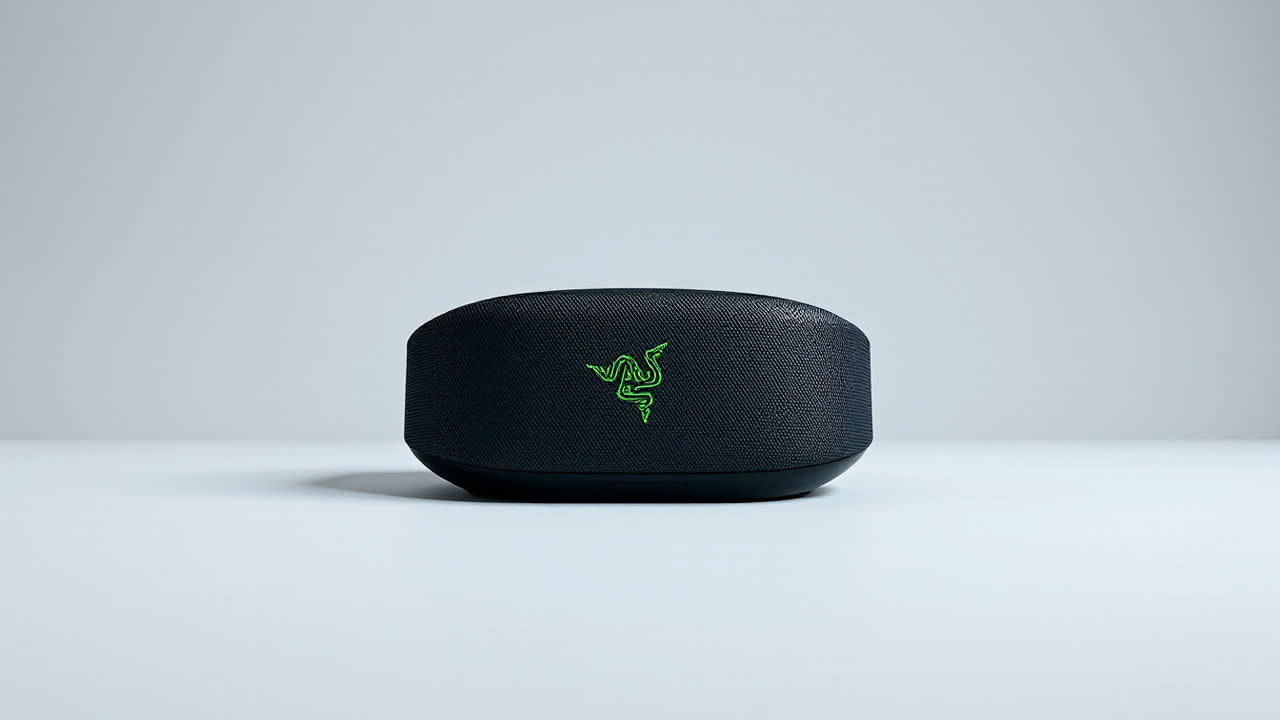
Razer has introduced the Clio X, a more affordable iteration of its head cushion wireless speaker, marking a strategic pivot to broaden the appeal of its immersive personal audio solutions for PC gaming. This new model, designed as a headrest for computer chairs, aims to deliver an intimate soundscape without the isolation of headphones, directly addressing the growing demand for comfort and situational awareness during extended gaming sessions. The original Razer Clio, launched earlier, positioned itself as a premium offering, likely testing the waters for this niche product category. The Clio X's introduction at a more accessible price point suggests Razer is confident in the concept and is now targeting a wider demographic, potentially disrupting the accessory market for gaming chairs and personal audio.
The significance of the Clio X extends beyond its price tag; it represents Razer's continued exploration into innovative form factors for audio delivery, moving beyond traditional headsets and desktop speakers. By integrating audio directly into a headrest, Razer is attempting to bridge the gap between open-air speakers and the directness of headphones, offering a "near-field" audio experience that is both personal and less fatiguing over long periods. This could be particularly appealing to streamers, competitive gamers, or anyone who values comfort and the ability to hear ambient sounds while still enjoying high-fidelity game audio. The design choice to make it a headrest accessory, rather than a full-chair integration, also offers flexibility for users to upgrade their existing setups without investing in an entirely new gaming chair. This modular approach is key to its market viability, allowing for a lower barrier to entry for a specialized audio experience.
Comparing the Clio X to its predecessor and rivals reveals its strategic positioning. While specific details on the original Clio's pricing and exact features are less prominent in recent news, the "cheaper version" descriptor for the Clio X implies a conscious effort to streamline features or materials to hit a more competitive price point. This often involves compromises in premium finishes, battery life, or advanced audio processing, though Razer typically aims to maintain core performance. In the broader market, direct rivals for a headrest-integrated wireless speaker are scarce, making the Clio X a somewhat unique proposition. Most competitors offer traditional gaming headsets, which, while providing excellent immersion, can become uncomfortable. Alternatives like desktop soundbars or 2.1 speaker systems provide open-air audio but lack the personal, head-level sound delivery that the Clio X promises. Some high-end gaming chairs integrate speakers, but these are often fixed and come at a much higher total cost. The Clio X carves out its niche by offering a dedicated, comfortable, and relatively portable solution for personalized audio. Its wireless connectivity, likely Bluetooth, ensures compatibility with a wide range of devices, further enhancing its appeal as a versatile accessory.
Looking ahead, the success of the Clio X could pave the way for a new sub-category of personal audio devices that prioritize comfort and situational awareness. If the Clio X resonates with consumers, Razer might explore further iterations, perhaps introducing higher-fidelity versions with advanced spatial audio features or integrating haptic feedback for a more immersive experience. The concept could also inspire other peripheral manufacturers to develop similar solutions, leading to a more diverse market for gaming chair accessories. Beyond gaming, this form factor could find applications in home office setups, virtual reality environments, or even casual media consumption, where users desire a personalized sound experience without the encumbrance of headphones. Razer's move with the Clio X is not just about launching a new product; it's an investment in redefining how users interact with audio in their personal spaces, potentially setting a new standard for comfort-centric sound delivery in the tech industry. The long-term impact will depend on the Clio X's audio performance, comfort, and most critically, its ability to justify its cost as a distinct upgrade over existing audio solutions.