Real-Time Translation Earbuds: AI's Promise and Practical Limits
Real-time translation earbuds, far from being the seamless "universal translator" of science fiction, operate through a sophisticated, multi-stage AI pipeline that offers impressive functionality tempered by practical limitations.
✨ This content was summarized and interpreted by AI; it may contain errors — please verify accuracy with the original sources. Learn more
Listen to this story
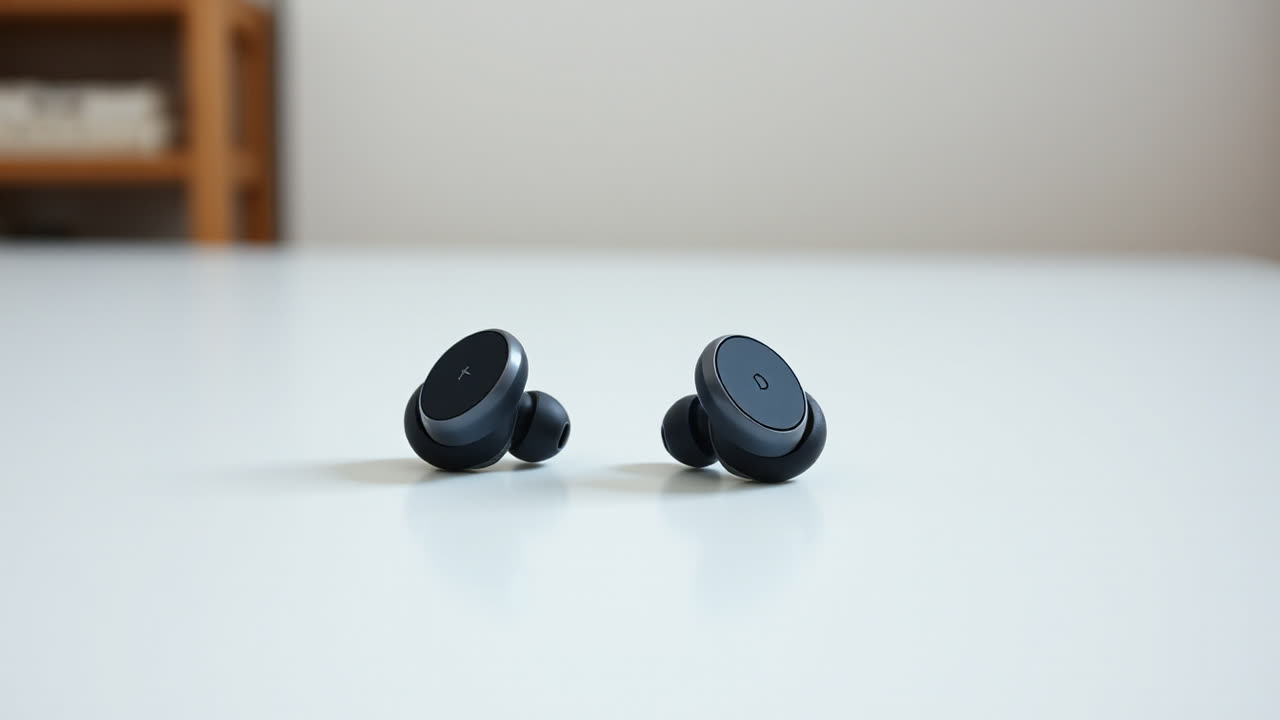
Real-time translation earbuds, far from being the seamless "universal translator" of science fiction, operate through a sophisticated, multi-stage AI pipeline that offers impressive functionality tempered by practical limitations. These compact devices leverage high-fidelity microphones to capture spoken words, often employing advanced noise cancellation techniques like beamforming and digital filtering to isolate the speaker's voice from ambient sounds. The captured audio is then transmitted via Bluetooth to a paired smartphone or, in some advanced models, processed partially on-device. A dedicated companion application on the smartphone converts the audio into text using Automatic Speech Recognition (ASR), processes this text through a neural machine translation (NMT) engine, and finally converts the translated text back into speech via text-to-speech synthesis, delivering it to the listener's ear. This entire sequence can occur in under one second for top-performing models, achieving up to 96% accuracy in widely supported languages.
The significance of this technology extends far beyond mere convenience; it fundamentally redefines accessibility in global communication. Translation earbuds are breaking down long-standing language barriers in travel, international business, education, and even personal relationships. For travelers, they eliminate the need for awkward phrasebooks or constant screen-staring at translation apps, allowing for more natural eye contact and genuine interaction with locals—whether ordering food, asking for directions, or engaging in cultural exchanges. Businesses benefit from smoother international collaboration, faster negotiations, and more cost-effective customer support, reducing reliance on human interpreters for routine conversations. Multilingual families and couples also find the technology invaluable for bridging communication gaps and fostering deeper emotional connections. The integration of features like multi-mode operation (face-to-face, listen, broadcast) and even real-time phone call interpretation further enhances their utility, moving them beyond novelty gadgets into essential tools for a connected world.
Despite the impressive strides, the real-world experience of using translation earbuds is often less instantaneous than marketing claims suggest. The term "real-time" frequently masks a noticeable latency, where translations can arrive with a delay of a few seconds, disrupting the natural flow of conversation. The accuracy, while high for everyday conversations in major languages, can falter significantly with complex sentences, specialized jargon, regional dialects, or slang. Furthermore, the quality of the microphone is paramount; a poor microphone in a noisy environment like a busy street or café can lead to inaccurate or incomplete translations, undermining the entire process. Most advanced features and extensive language support typically necessitate a stable internet connection, as the heavy lifting of translation often occurs in the cloud. While some models offer offline language packs, their accuracy and feature sets are generally reduced. Consumers also need to be wary of hidden subscription fees that can unlock essential languages or advanced functionalities, turning a seemingly affordable purchase into a recurring expense.
Compared to their predecessors, such as rudimentary phrasebooks or even early smartphone translation apps, modern earbuds offer a hands-free, more immersive experience. Older apps often required users to pass a phone back and forth or stare at a screen, creating a barrier to genuine interaction. Dedicated translation earbuds aim to minimize this friction, though smartphone apps like Google Translate continue to evolve, offering extensive language support and some offline capabilities, albeit sometimes with reduced accuracy without an internet connection. However, even the most advanced earbuds cannot yet fully replace skilled human interpreters, especially in high-stakes environments like medical consultations, legal proceedings, or sensitive diplomatic discussions where nuance, cultural context, and emotional understanding are critical. The current technology serves as an excellent facilitator for general communication but lacks the depth and adaptability of human expertise.
Looking ahead, the trajectory of translation earbuds points towards continuous refinement rather than a sudden revolutionary leap. The industry is focused on reducing latency to ultra-low levels, with targets of under 200 milliseconds for simultaneous interpreting by 2026, crucial for high-stakes settings. Future enhancements will emphasize improved contextual understanding, allowing AI models to better adapt to languages with vastly different word orders and move beyond literal word-for-word translation. Companies like Google are already deploying end-to-end speech-to-speech translation (S2ST) models that can translate in the original speaker's voice with only a 2-second delay, appearing in products like Google Meet and the new Pixel 10 devices. The integration of AI will increasingly serve as a live-support system for human interpreters, suggesting terminology, predicting complex phrasing, and flagging potential mistranslations, rather than outright replacing them. Furthermore, speech processing is expected to become so ubiquitous that it blends seamlessly into daily life, enabling more natural, hands-free interactions with technology, including within immersive environments like VR and AR. The future will likely see a hybrid model where AI-powered earbuds empower individuals for everyday interactions, while human expertise remains indispensable for nuanced, critical communication.