Renault Unveils 270 HP Electric 8 Gordini Concept, Fusing Heritage with Electric Future
Renault revives its iconic 8 Gordini nameplate as a 270 horsepower electric rally concept, signaling a strategic blend of heritage and high-performance electric mobility.
✨ This content was summarized and interpreted by AI; it may contain errors — please verify accuracy with the original sources. Learn more
Listen to this story
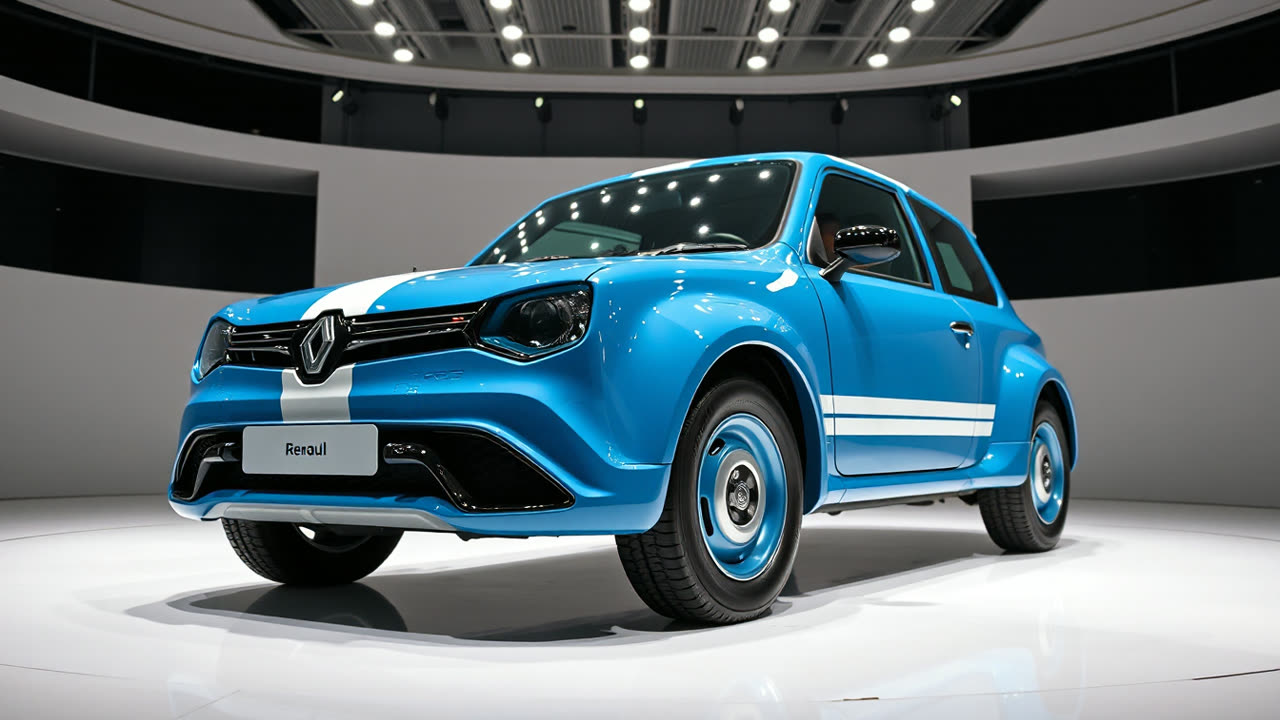
Renault has electrified yet another iconic nameplate from its storied past, unveiling the Renault 8 Gordini Concept, a 270 horsepower electric rally retromobile designed to rekindle passion for the "Bleu de France" legend. This striking two-seater electric coupé, boasting a potent 201 kW electric motor driving the rear wheels, was first showcased at the Renault Carwalk on September 24, 2026, and is slated for public display at the Paris Motor Show from October 12-18, 2026. While explicitly a one-off design study not destined for immediate production, the concept is a powerful statement of Renault's commitment to injecting emotion and heritage into its electric future, ultimately destined for the new Renault Collections museum in Flins, expected to open in approximately 15 months.
The significance of the electric Gordini extends far beyond mere nostalgia; it represents a strategic pivot for Renault and a tangible manifestation of broader industry trends. With its low, wide body, radical stance, and staggered 19-inch front and 20-inch rear wheels, the concept unmistakably channels the spirit of a modern rally car, a deliberate design choice by Renault's VP Design, Alexandre Malval, to evoke dynamic appeal. This reinterpretation signals Renault's intent to carve out a niche in the burgeoning electric performance market, appealing to enthusiasts who crave driving excitement alongside sustainable mobility. The original Renault 8 Gordini, launched in 1964 with a 95 hp rear-mounted engine, democratized motorsport, becoming an accessible "training car" for a generation of rally drivers and earning a legendary reputation for its engaging, albeit "squirrely," rear-wheel-drive dynamics. The new concept aims to translate that spirit, albeit with significantly more power and modern stability, into the electric era.
Renault has skillfully fused heritage with contemporary design, evident in every detail of the 8 Gordini Concept. The signature "Bleu de France" paint, a three-layered construction combining mother-of-pearl with a blue-tinted binder for enhanced depth, pays homage to the original, as do the iconic twin white racing stripes. The squared-off wheel arches, redesigned lighting where six headlights are subtly integrated into a V-shaped nose, and a muscular rear end with flying buttresses all contribute to a "café racer" aesthetic. Inside, the minimalist, driver-focused cabin eschews oversized digital displays common in many modern EVs, opting instead for a brushed aluminum dashboard, Alcantara trim, blue corduroy bucket seats, and small circular digital instruments that evoke traditional gauges while offering modern functionality. This approach demonstrates a thoughtful understanding of what performance enthusiasts value: a direct, engaging connection to the driving experience.
This latest creation is part of a consistent five-year strategy by Renault to revive iconic models as electric concepts, including successful reboots like the Renault 5, Renault 4, and the R17 electric restomod x Ora Ïto concept car, which also featured a 270 hp electric motor. This "retro-electric roll" positions Renault as a leader in leveraging its rich heritage to build desirable EVs, contrasting with some rivals who focus solely on futuristic, often sterile, designs. While direct rivals to a production electric R8 Gordini are scarce given its concept status, the broader market for rally-inspired electric vehicles is emerging. Ford, for instance, offers the Mustang Mach-E Rally, an electric SUV with 480 hp and a dedicated rally mode, demonstrating consumer appetite for off-pavement capable EVs with performance credentials. In professional motorsport, electric rallycross (World RX's RX1e class) already features cars with over 1,000 hp, showcasing the extreme potential of electric powertrains in rally environments. The Gordini concept, while a design study, hints at a potential road-going counterpart that could bridge the gap between these extreme racers and more conventional performance EVs.
Looking ahead, while Renault states no immediate production plans for the 8 Gordini Concept, its enthusiastic reception and the brand's ongoing commitment to heritage-inspired EVs make a future production model, or at least significant design influence on upcoming vehicles, highly probable. The concept serves as a powerful brand halo, reinforcing Renault's ability to innovate within the electric vehicle landscape while celebrating its rich motorsport history. It also taps into the growing market for "electric vintage cars" and restomods, where classic aesthetics are combined with modern electric powertrains for improved reliability, sustainability, and performance. The 8 Gordini Concept proves that electric cars can possess soul, character, and a direct link to a glorious past, positioning Renault to potentially democratize exciting electric performance in the same way its predecessor made rally driving accessible decades ago. The conversation around electric vehicles is shifting from mere efficiency to emotional engagement, and the Gordini name, reborn with 270 electric horses, is a compelling argument for a thrilling electrified future.