Repurposing Old Android Phones as Free Wi-Fi Extenders Offers Cost-Free Connectivity and E-Waste Reduction
A simple, free method to combat home network dead zones by transforming an unused Android phone into a Wi-Fi extender is gaining traction, offering significant cost savings and contributing to e-waste reduction.
✨ This content was summarized and interpreted by AI; it may contain errors — please verify accuracy with the original sources. Learn more
Listen to this story
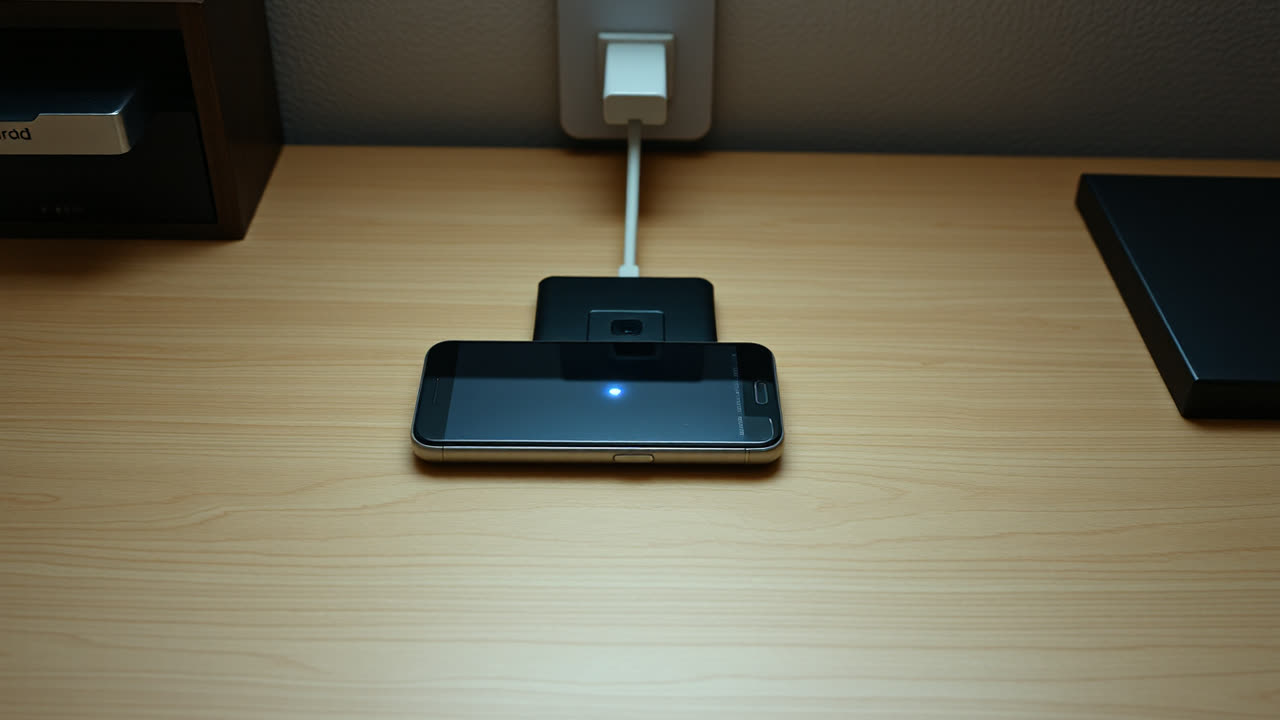
Using an old Android phone as a Wi-Fi extender offers a completely free and accessible solution for combating dead zones in home networks, leveraging existing hardware rather than requiring new purchases. This ingenious repurposing, detailed across various tech publications in 2026, involves configuring the phone's built-in hotspot feature to connect to an existing Wi-Fi network and then rebroadcast that signal as a separate, extended hotspot. The process is straightforward: connect the old Android device to the primary Wi-Fi, navigate to "Hotspot and Tethering" (or similar settings like "Mobile Hotspot" on Samsung devices), enable the Wi-Fi hotspot, and then configure its name and password. It's crucial to disable mobile data to ensure the phone extends the Wi-Fi signal rather than consuming cellular data. For optimal performance, the device should be placed roughly halfway between the main router and the Wi-Fi dead zone, ensuring it receives a strong enough signal to effectively relay it. Keeping the phone continuously plugged into a charger is also essential, as running a hotspot can rapidly drain the battery, especially in older models.
This DIY approach holds significant implications for users and the broader tech industry. For consumers, it offers immediate, cost-free relief from frustrating connectivity issues without the need to invest in dedicated hardware like Wi-Fi extenders or expensive mesh systems, which can range from approximately $50 for basic extenders to hundreds for mesh setups. The average price for a quality budget Wi-Fi extender in 2026, such as the Finwarm 2026, is around $72, while Wi-Fi 6 extenders like the TP-Link RE705X can be found for $79, and Wi-Fi 7 models like the TP-Link RE655BE for over $200. By sidestepping these costs, users can extend the utility of a device that might otherwise be collecting dust, addressing a common pain point with zero financial outlay. This democratizes network optimization, making a more stable internet connection accessible to a wider demographic, particularly those hesitant to spend on specialized networking gear.
From an industry perspective, this trend underscores the growing emphasis on device longevity and repurposing in an era of rapid technological refresh cycles. Globally, an estimated 50 million metric tons of e-waste were generated in 2023, with projections to exceed 150 million metric tons annually by 2030. Reusing electronics, even for secondary functions, directly contributes to reducing this burgeoning e-waste problem, lessening the environmental impact of manufacturing new products and conserving natural resources. Mining raw materials for new electronics, including gold, silver, copper, and rare earth metals, leads to significant air and water pollution, consumes vast amounts of energy, and contributes to greenhouse gas emissions. By extending the functional life of an old smartphone, consumers indirectly support sustainability efforts and reduce their carbon footprint. This aligns with a broader industry push towards circular economy principles, where products are designed for durability, reuse, and recycling.
However, the "free" solution comes with inherent limitations when compared to purpose-built hardware. An Android phone acting as a repeater will not boost internet speed; it merely extends the existing signal, meaning if the original connection is slow, the extended network will be too. Performance will generally be inferior to dedicated Wi-Fi extenders or mesh systems. Dedicated extenders, even budget models, are designed with more powerful internal antennas and often support features like seamless roaming or simultaneous dual-band operation (2.4 GHz and 5 GHz) that many phones lack when acting as a hotspot. A phone-based extender typically creates a separate network, which can cause connectivity issues for some smart home devices that expect a single, unified network. Furthermore, constant charging of an older phone can degrade its battery health over time, although modern Android devices and charging circuits are generally more resilient. While some apps like NetSpot and Wi-Fi Analyzer can help optimize Wi-Fi performance by identifying less congested channels, they don't magically "boost" the signal strength of the phone itself.
Looking ahead, the prevalence of this workaround highlights a persistent market gap for affordable, simple Wi-Fi range solutions. While mesh systems are gaining traction for whole-home coverage, their cost remains a barrier for many. The simplicity and zero-cost barrier of using an old phone may spur manufacturers to integrate more robust and user-friendly repeater functionalities directly into future Android versions or even dedicated low-cost "extender mode" devices. We might see a rise in purpose-built, ultra-affordable mini-repeaters that leverage similar low-power ARM architectures found in smartphones, potentially priced under $20, like the TP-Link RE220 in 2025. The ongoing innovation in Wi-Fi standards, such as Wi-Fi 7, will continue to push the boundaries of speed and range, but the fundamental need for basic signal extension will likely remain. The industry could also explore software-defined networking solutions that allow for more seamless integration of repurposed devices into existing networks, reducing the current "separate network" headache. Ultimately, the ability to transform an obsolete smartphone into a functional network component is a testament to the versatility of modern mobile technology and a practical step towards a more resourceful and sustainable tech ecosystem.