Repurposing Old Laptops as Smart Home Hubs: A Sustainable and Private Alternative
Repurposing an old laptop as a smart home hub offers a compelling, cost-effective, and environmentally conscious alternative to dedicated commercial devices, leveraging dormant hardware to centralize disparate smart home ecosystems.
✨ This content was summarized and interpreted by AI; it may contain errors — please verify accuracy with the original sources. Learn more
Listen to this story
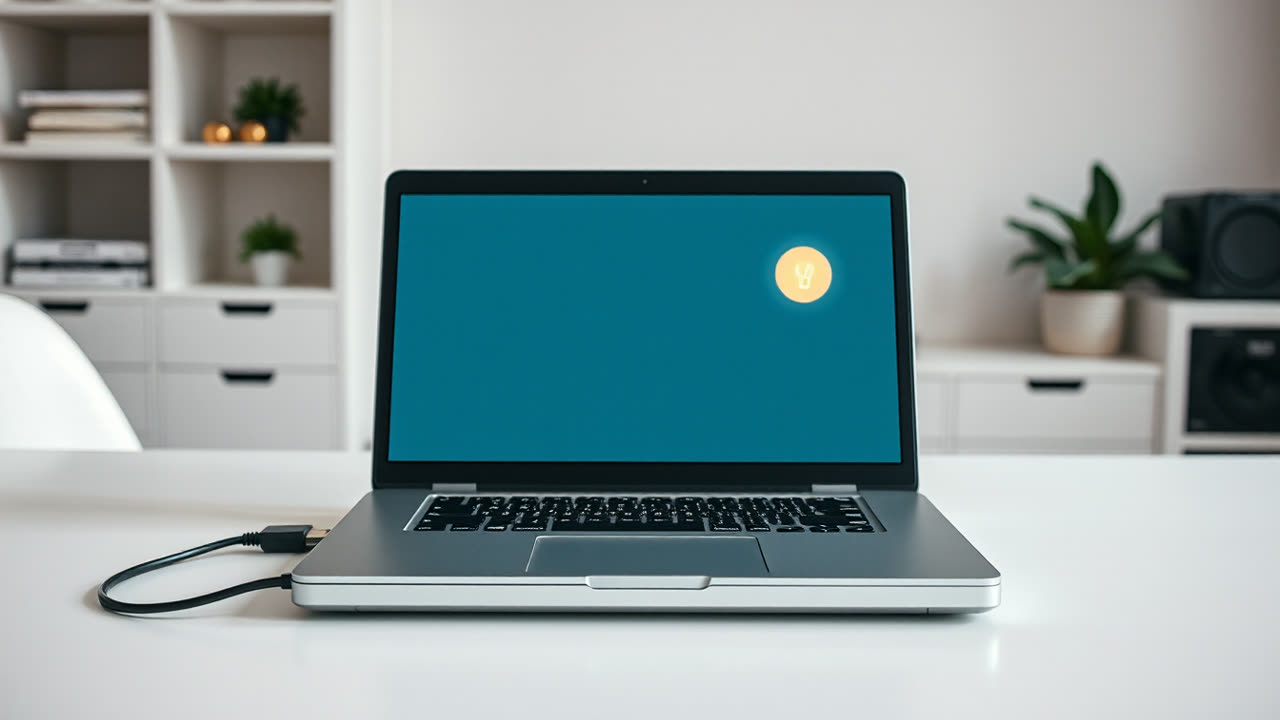
Repurposing an old laptop as a smart home hub offers a compelling, cost-effective, and environmentally conscious alternative to dedicated commercial devices, leveraging dormant hardware to centralize disparate smart home ecosystems. The core news highlights the growing trend of utilizing open-source platforms like Home Assistant to breathe new life into retired netbooks and laptops, transforming them into powerful, customizable control centers for a fragmented smart home landscape. This DIY approach directly addresses the interoperability challenges that plague many smart home users, allowing devices from various manufacturers like Philips Hue, Google Nest, Ring, Sonos, and Ecobee to communicate seamlessly through a single local hub.
The significance of this trend extends beyond mere cost savings. In an era dominated by concerns over data privacy and vendor lock-in, a self-hosted solution like Home Assistant running on an old laptop offers users unparalleled local control, reducing reliance on third-party cloud services and enhancing data security. Instead of contributing to the ever-growing mountain of electronic waste, which sees 11 billion pounds of small IT equipment like phones and laptops added to global waste annually, repurposing an old laptop aligns with a circular economy model, extending the lifecycle of electronics and mitigating environmental harm. E-waste contains hazardous materials like lead and mercury, and proper recycling or repurposing prevents these toxins from polluting the environment while recovering valuable materials such as copper, aluminum, and even gold.
While dedicated smart home hubs from major players like Amazon (Echo Dot, starting around $35), Google (Nest Hub, around $83), and Apple (HomePod Mini, around $100) offer user-friendly interfaces and robust integration within their respective ecosystems, they often come with limitations in customization and cross-brand compatibility. Commercial hubs typically range from $50 to $250, with more comprehensive smart home systems costing $2,000 to $5,000 on average for installation. In contrast, an old laptop, which might otherwise be destined for recycling, requires no upfront hardware cost, making it an attractive option for budget-conscious users or those looking to experiment with home automation without significant investment. Open-source platforms like Home Assistant support a vast array of protocols including Wi-Fi, Zigbee, Z-Wave, and Thread (Matter), offering superior flexibility compared to many proprietary hubs. For instance, a 12-year-old laptop with 4GB RAM and an Intel Pentium processor has been successfully repurposed to run Home Assistant, demonstrating the low hardware requirements.
However, the DIY approach is not without its caveats. Older laptops generally consume more power than modern, purpose-built smart home hubs or single-board computers like the Raspberry Pi, potentially leading to higher electricity bills over time. A laptop typically uses 30 to 70 watts per hour, while desktops draw significantly more, between 200 and 500 watts. A 50-watt laptop running 8 hours a day consumes approximately 12 kWh per month, costing about $1.80/month at $0.15/kWh. Dedicated hubs are designed for efficiency, often being fanless and silent, unlike older laptops that may have noisy, dust-filled fans and degraded thermal paste. The learning curve for platforms like Home Assistant can also be steeper, requiring a willingness to tinker, though extensive documentation exists. Furthermore, while a laptop's built-in battery can serve as a rudimentary Uninterruptible Power Supply (UPS) during short power outages, ensuring continuous operation, there are concerns about battery degradation and potential swelling if left constantly charging. Laptops also lack integrated Zigbee, Thread, or Z-Wave radios, necessitating additional USB dongles for these protocols.
Looking ahead, the landscape of smart home interoperability is rapidly evolving with the widespread adoption of standards like Matter and Thread. Matter, an open application standard, enables devices from different brands to communicate seamlessly over Wi-Fi, Ethernet, or Thread, with major players like Amazon, Apple, Google, and Samsung actively contributing to its development. As of 2026, there are over 700 Matter-certified products and 1,000 Thread-certified devices available, representing a tenfold growth since 2024. This increased interoperability might reduce some of the initial impetus for a DIY hub to bridge incompatible devices. However, the appeal of local control, enhanced privacy, and the ability to run complex, custom automations without cloud reliance will likely ensure the continued relevance of open-source platforms hosted on repurposed hardware. The next phase will likely see more refined integration of these open standards within platforms like Home Assistant, making the DIY hub even more powerful and user-friendly, potentially solidifying its role not just as a temporary trial run, but as a permanent, sustainable, and highly personalized smart home backbone.