Retroid Pocket 5 and Flip 2 Price Hike Signals 'RAMaggedon' Impact on Budget Handhelds
Retroid Pocket 5 and Flip 2 handhelds are getting a spec bump but will cost $10 more after July 14, highlighting the industry-wide 'RAMaggedon' driven by soaring component costs.
✨ This content was summarized and interpreted by AI; it may contain errors — please verify accuracy with the original sources. Learn more
Listen to this story
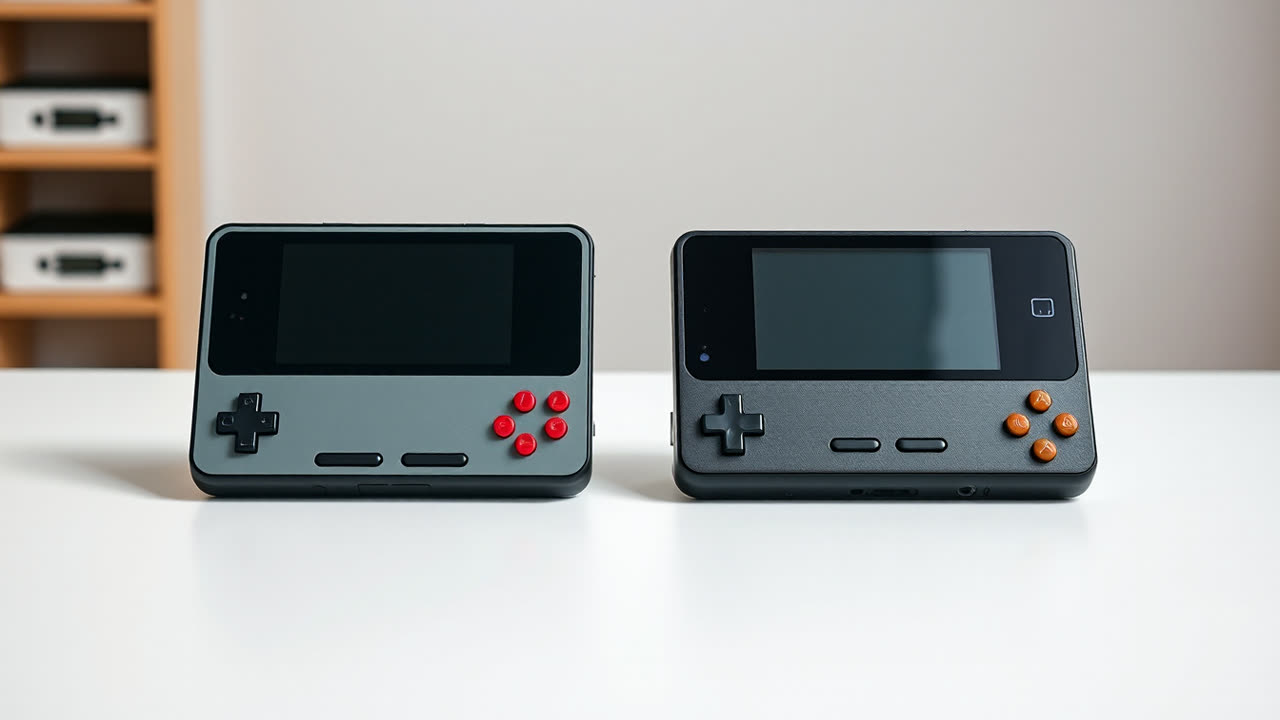
Retroid Pocket 5 and Flip 2 handhelds are set to increase in price by $10 after July 14, despite a significant spec bump, underscoring a harsh reality for the budget emulation market: even entry-level devices are not immune to the rising tide of component costs, a phenomenon some are terming 'RAMaggedon'. Current unfulfilled orders of the 8GB RAM models will be upgraded to 12GB RAM at no extra cost, but after the deadline, the Retroid Pocket 5 will cost $209, the Snapdragon 865 Flip 2 will be $219, and the Dimensity 1100 Flip 2 will be $189.
This modest but significant price adjustment reflects broader industry pressures, particularly the escalating cost of RAM. The incremental $10 increase, while seemingly minor, represents a critical shift for a segment where every dollar impacts consumer accessibility. Manufacturers like Retroid, known for delivering strong emulation performance at competitive price points, are increasingly navigating a volatile supply chain. Global DRAM prices have seen considerable fluctuations, with some analysts predicting continued upward trends through 2026 and even 2027 due to strong demand and limited supply, largely driven by the artificial intelligence sector. This forces companies to either absorb costs, reduce margins, or pass increases onto the consumer.
The impact of 'RAMaggedon' extends beyond Retroid, affecting the entire gaming hardware market, from Steam Deck to other handheld PCs and consoles. This prioritization of high-end AI chips means standard DRAM and SSDs, crucial for devices like the Retroid Pocket series, are facing limited supply and higher costs. For the emulation community, this means that the era of consistently cheaper, more powerful handhelds might be slowing. While a spec bump is generally welcome, the accompanying price hike signals that the sweet spot of affordability and capability is becoming harder to maintain. Consumers should anticipate similar adjustments across the board as the cost of key components continues to influence the viability and pricing strategies of these beloved retro-gaming machines, potentially leading to longer upgrade cycles and a re-evaluation of what constitutes an 'entry-level' price point.