Retroid Teases Dual-Screen Handheld, Aiming to Disrupt Retro Emulation Market
Retroid's upcoming dual-screen device, a direct homage to Nintendo DS/3DS, signals a strategic move to dominate authentic retro emulation and challenge high-end rivals.
✨ This content was summarized and interpreted by AI; it may contain errors — please verify accuracy with the original sources. Learn more
Listen to this story
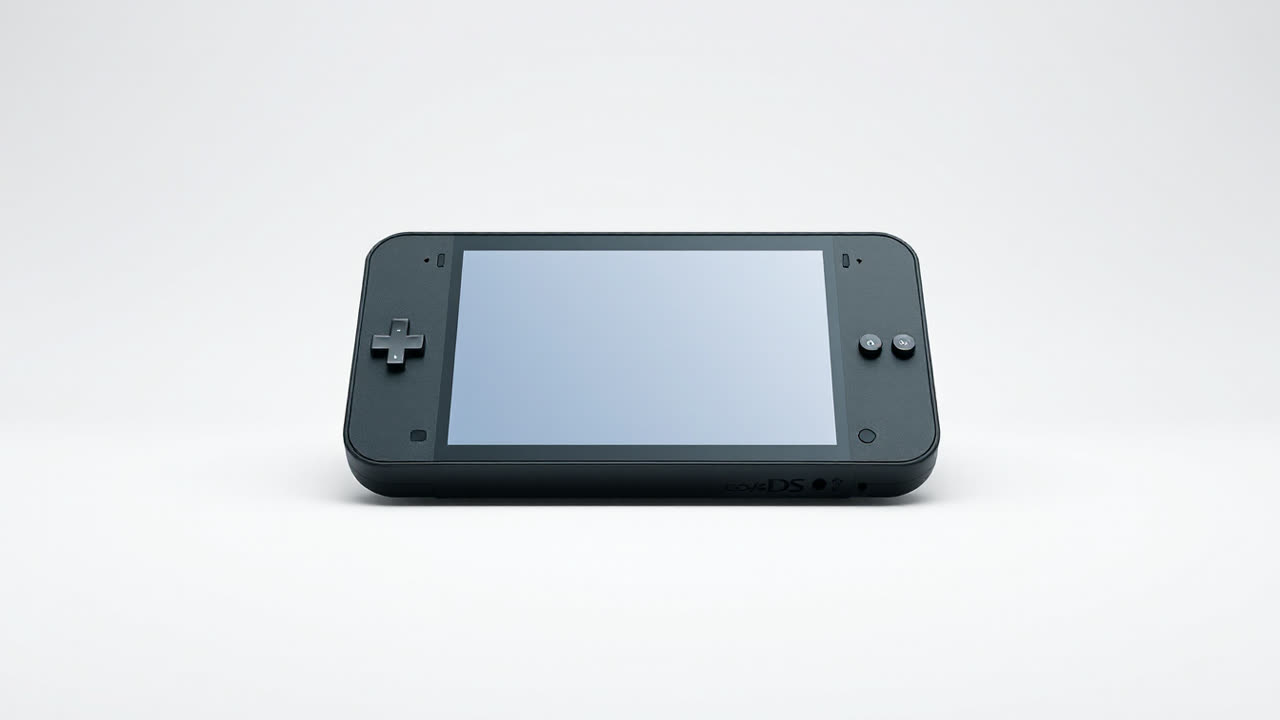
Retroid is poised to disrupt the burgeoning retro handheld market with the imminent release of a dual-screen device, a direct homage to Nintendo's iconic DS and 3DS systems, marking a significant strategic move for the popular emulator manufacturer. While concrete specifications remain largely under wraps, the mere announcement of a dedicated dual-screen form factor signals Retroid’s ambition to capture the lucrative niche of Nintendo DS and 3DS emulation, a segment currently underserved by mainstream single-screen handhelds. This development arrives amidst a competitive landscape where devices like the AYANEO Flip DS have already entered the fray, albeit at a significantly higher price point, setting the stage for Retroid to potentially offer a more accessible alternative.
The significance of Retroid venturing into dual-screen territory extends far beyond mere novelty. For users, it promises a much-improved and authentic emulation experience for a vast library of Nintendo DS and 3DS titles. Emulating these consoles on single-screen devices has always presented compromises, forcing users to choose between displaying one screen at a time, stacking screens awkwardly, or utilizing complex software overlays that detract from immersion and usability. A dedicated dual-screen layout eliminates these compromises, offering a native aspect ratio and control scheme that closely mirrors the original hardware, enhancing gameplay for classics like *The Legend of Zelda: Phantom Hourglass* or *Professor Layton* series, which heavily relied on both screens and often touch input. The integration of a stylus, which is highly probable given the form factor, would further refine the experience for touch-intensive games, a critical feature often overlooked or poorly implemented in general-purpose emulation handhelds.
From an industry perspective, Retroid's move could catalyze a new wave of innovation and competition in the retro handheld space. Historically, Retroid has carved out a strong market position by offering well-built, affordable devices that punch above their weight in terms of performance and software support, such as the Retroid Pocket 3+ and the more recent Retroid Pocket 4 Pro, which features the MediaTek Dimensity 1100 chip. If Retroid can deliver a dual-screen device with comparable build quality and a competitive price, it could pressure other manufacturers, including AYANEO, Anbernic, and Miyoo, to explore similar specialized form factors. This specialization could lead to a more diverse market, moving beyond the current trend of increasingly powerful but generically shaped single-screen devices. The challenge for Retroid will be to balance performance requirements – especially for demanding 3DS emulation – with a cost-effective design, a tightrope walk they have historically managed well. The Dimensity 1100 found in their latest Pocket 4 Pro demonstrates their capability to integrate powerful chipsets capable of handling more intensive emulation, suggesting a robust foundation for their dual-screen endeavor.
Comparing this upcoming device to its direct and indirect rivals highlights its potential impact. The AYANEO Flip DS, launched earlier, features a more premium design and higher-end specifications, including an AMD Ryzen 7 7840U processor and a 120Hz display, but comes with a price tag upwards of $700. While the Flip DS targets the premium segment, Retroid traditionally aims for the mid-range, often pricing its devices between $150-$250. This strategic difference suggests Retroid's dual-screen offering will likely be more accessible, potentially expanding the market for dedicated dual-screen emulation rather than just serving the high-end enthusiast. Prior Retroid devices, like the Pocket 3+ with its Unisoc T618 chip, offered solid performance for DS emulation, but the single-screen limitation remained a significant hurdle. The rumored dual-screen device, if it leverages a chip similar to or even more powerful than the Dimensity 1100 in the Pocket 4 Pro, could offer superior 3DS emulation, which is notoriously more demanding than DS due to its 3D graphics and higher resolution.
Looking ahead, the success of Retroid's dual-screen handheld could usher in an era of more specialized retro gaming devices. Rather than a "one-size-fits-all" approach, manufacturers might increasingly cater to specific console libraries that benefit from unique form factors, such as vertical handhelds for Game Boy emulation or even modular designs. This trend could foster greater authenticity in retro gaming, moving beyond simply running ROMs to recreating the original play experience as closely as possible. Furthermore, the development could spur advancements in Android-based emulation software to better support dual-screen configurations, potentially leading to standardized APIs or frameworks that benefit all future dual-screen handhelds. Retroid's tease is more than just another device announcement; it's a strategic declaration that the company is willing to innovate on form factor to deliver a superior user experience, potentially reshaping the competitive dynamics and future direction of the entire retro handheld market.